
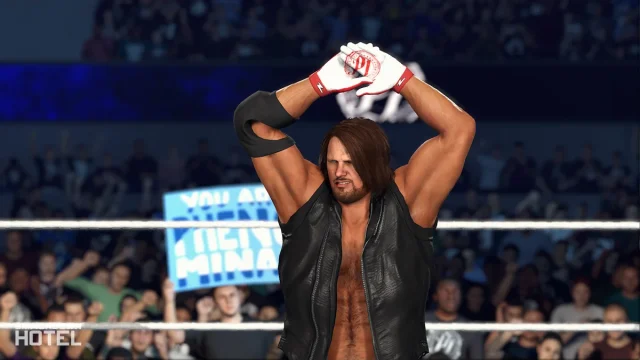
When Luke “Doc” Gallows and Karl Anderson returned to WWE Raw for a tribute to AJ Styles, it marked their first meeting with Styles in about a year, following their WWE departures. Although WWE branded them the “Original Club,” the three remained close friends. Anderson expressed genuine surprise that Styles’ retirement was permanent. Later, the group reunited again on Talk’N Shop Live, joined by Frankie Kazarian, where fans had the chance to ask questions about their past experiences, including AJ Styles’ frustrations during road trips.
AJ Styles Opens Up About What Bothered Him While Traveling
During their frequent travels as teammates on the WWE roster, AJ Styles revealed that the issue wasn’t the company but rather the repetitive conversations. He explained,
“Listen, on on those long trips, here’s the reason,”
followed by,
“They didn’t drive me crazy. It was just they kept talking about the same thing over and over and over and over. And then I’d wake up an hour, maybe two hours later, and pull my headphones off and yep, it’s still going. Put them back in. And so there was sometimes I’d be like, ‘All right, that’s enough.’ And I just let them do their thing.”
This insight shows how the endless repetition of topics during long journeys wore on Styles’ patience, leaving him overwhelmed despite wanting some peace.
Impersonations and Entertainment on the Road
Luke Gallows added that one common pastime on their trips was performing voices and impersonations. Given Gallows’ strong and unique accent, it’s likely that AJ Styles himself was frequently imitated, adding another layer of playful tension to the atmosphere during travel. These moments captured the camaraderie and also the minor irritations that can occur when spending prolonged periods together.
Understanding the Impact of Long WWE Road Trips
AJ Styles’ candid remarks shed light on the challenges wrestlers face when traveling together repeatedly. While friendships remain strong, the fatigue from nonstop chatter and repeated topics can provoke frustration. Recognizing this aspect helps fans appreciate the personal dynamics behind the scenes of professional wrestling. Moving forward, such reflections might influence how performers manage downtime and communication on the road.

