
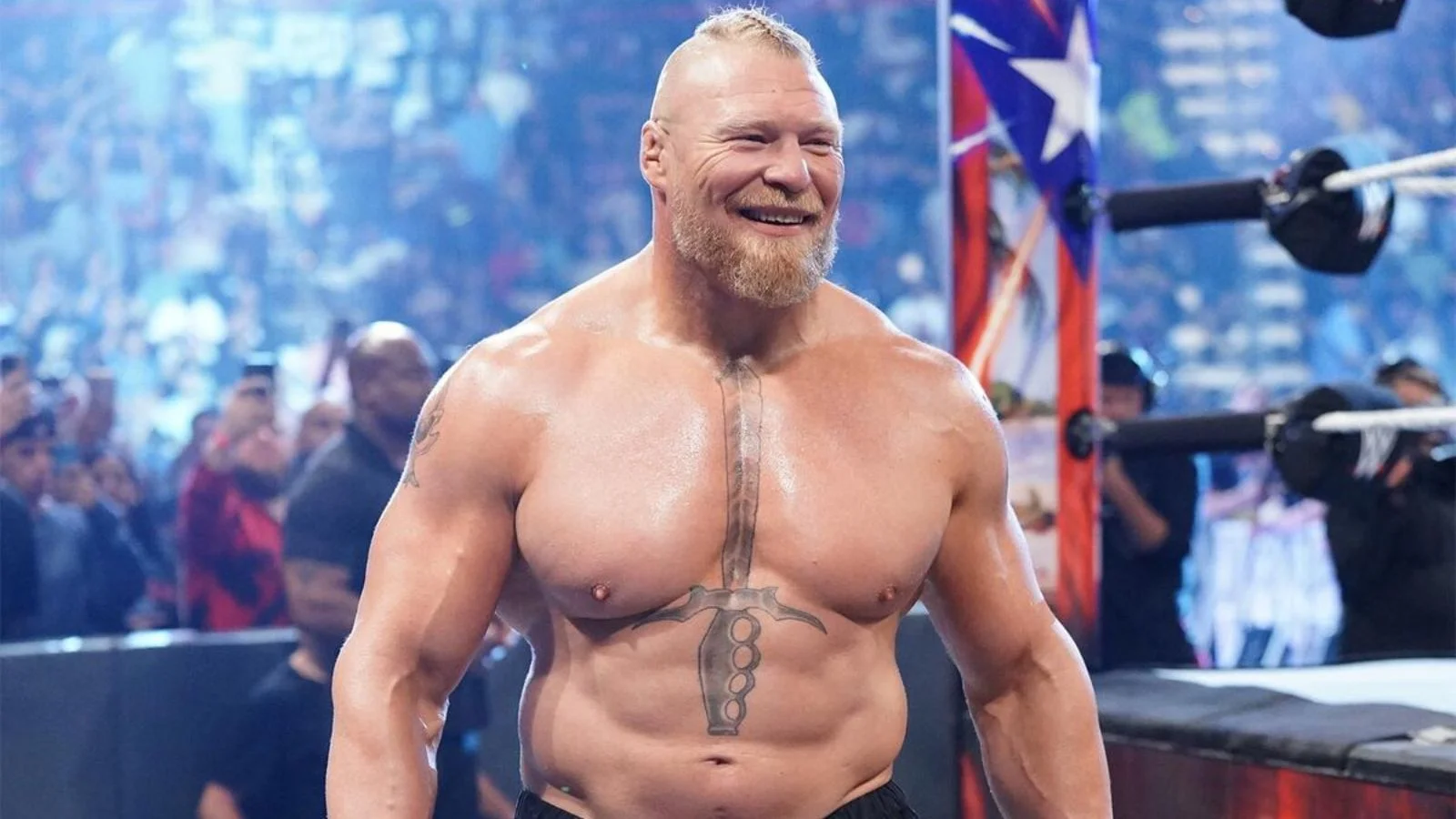
The term “cancelled” has taken on a life of its own over recent years, but its roots trace back to a song titled *Your Love is Cancelled* by Chic, which detailed the end of a romantic relationship. Over time, especially within Black Twitter communities, “cancelled” evolved to describe someone or something that society collectively decides to reject or exclude. Originally, this concept was far from permanent and centered on personal choice rather than societal decree.
A prime example is Johnny Depp’s experience, which illustrates the power and fluidity of cancel culture. In 2018, Depp was widely considered canceled after personal controversies involving his ex-wife led Hollywood to largely shun him. For years, Depp was denied acting roles and faced backlash simply from mentions of his name online. However, by 2025, after legal battles favored him, Depp’s reputation began a comeback as he prepared to enter directing. This timeline underscores that being canceled at one point does not preclude eventual rehabilitation or return.
Cancel culture’s transformation into a force capable of ending careers aligns historically with the rise of the #MeToo movement. This shift marked a move towards de-platforming individuals before legal outcomes were decided, amplifying societal fears over cancel culture’s reach. Today, even minor missteps can provoke cancellation, as seen in cases like Lindsay Ellis—who was canceled over an unpopular opinion about anime—and Doug Walker, impacted by past workplace behavior catching up with him years later. Consequently, the term has diluted as political rhetoric and social discourse misuse it, often creating moral panic and confusion about its intended meaning.
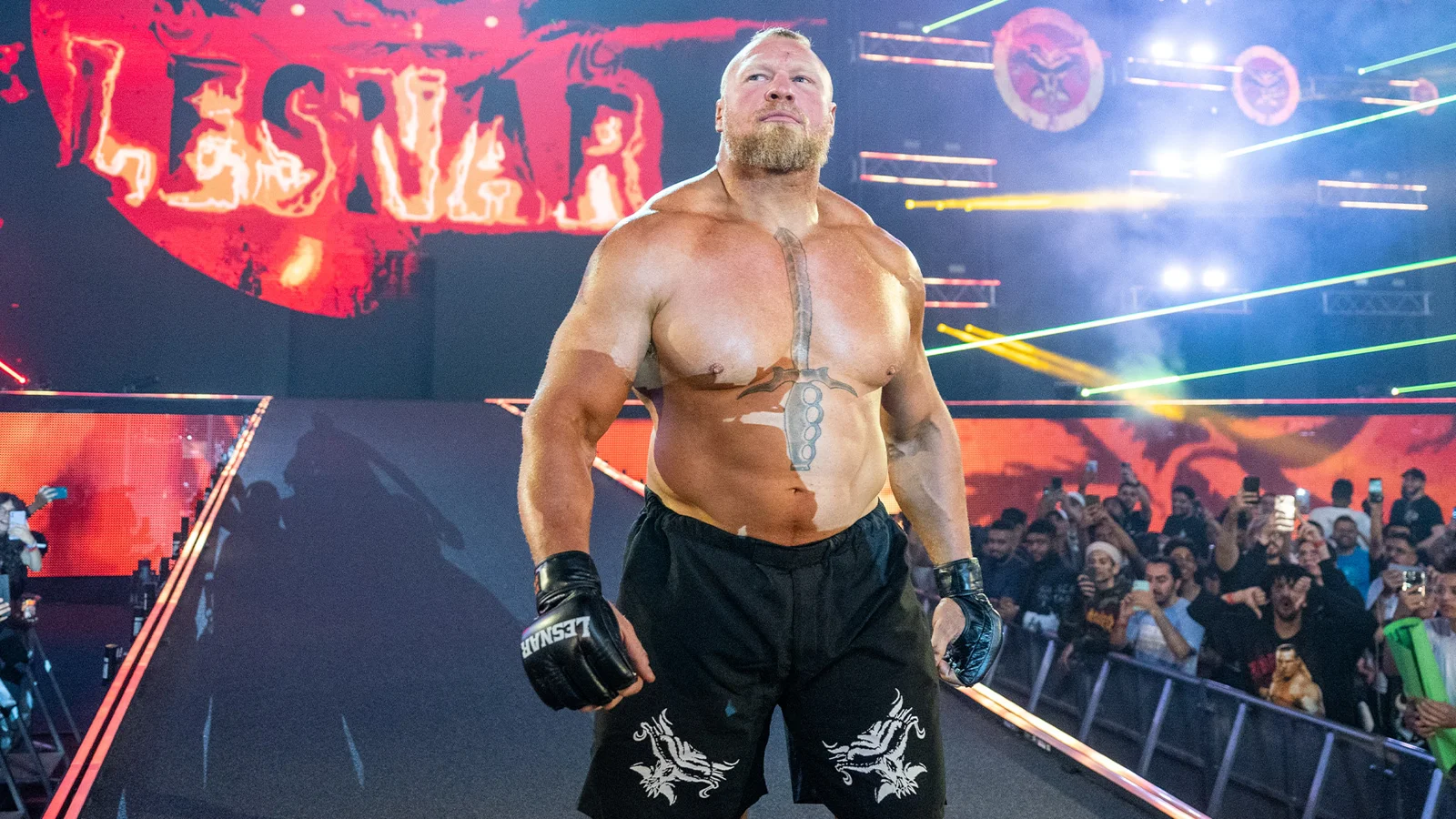
Exploring Whether Brock Lesnar Has Faced Cancellation
The question of whether Brock Lesnar, one of WWE‘s most prominent figures, can truly be canceled is complex. On one side, Lesnar’s absence from WWE for approximately two years could be interpreted as a form of cancellation, especially given the company’s distancing from his persona during that time. Yet, reports suggest that despite his absence, Lesnar remained WWE’s highest-paid wrestler, which might indicate his departure was more of a lucrative hiatus than genuine exile.
Lesnar’s situation blurs the line between cancellation and strategic withdrawal, especially considering the massive draw he remains for WWE merchandise and ticket sales. His hiatus, while notable, did not strip him of his value or earning power, suggesting that the standard notion of cancellation—where someone is shunned entirely—doesn’t fully apply here. Nevertheless, debating whether he was canceled forms a foundation for examining the limits of “Brock Lesnar uncancellable star power.”
The Influence and Limits of Cancel Culture in Wrestling
Paul Heyman recently expressed unequivocal confidence that Lesnar’s star power renders him immune to cancellation, stating,
“Obviously the decision was made: It’s time to bring back Brock Lesnar. Whatever that decision is based on, I respect it. If there are critics of it, get over it. He’s here – and he’s gonna be here. And you ain’t gonna be able to cancel him.”
However, the challenges Lesnar faces indicate this is far from guaranteed.
Unlike the typical scenario where individuals face cancellation and then attempt to rehabilitate their public image, Lesnar has reversed the trend by reemerging before any legal proceedings related to accusations against him have concluded. This premature return contrasts with how cancel culture often operates: as a punitive response before due process. It raises questions about whether his star status shields him or if ongoing allegations could ultimately jeopardize his presence in the wrestling world.
The #SpeakingOut movement within wrestling, akin to #MeToo, exposed decades of mistreatment and misconduct predominantly against women, leading to tangible cancellations like that of indie wrestler Joey Ryan. Though Ryan was never legally convicted, multiple accusers sharing consistent allegations led to his blacklisting from wrestling promotions and loss of non-wrestling jobs. His legal attempts to counter these claims failed, displaying how public opinion often carries more immediate consequence than court rulings.
This history implies that Lesnar’s uncancelable image might face tougher tests if more revelations surface. Even without legal guilt, public and corporate will can enforce consequences if a figure’s reputation becomes detrimental to a company’s image or fan support. The ongoing lawsuit allegations point to an uncertain future regarding Lesnar’s standing.
Legal Innocence Versus Ethical Judgment
While Lesnar has not been found legally responsible for wrongdoing, cancel culture relies heavily on societal and ethical perceptions rather than judicial outcomes. Reports claim he was involved in plans to meet a woman for sex, an encounter aborted only because of unforeseen travel disruptions. This situation places Lesnar in a morally ambiguous zone, primarily because he was married at the time, making any such arrangement ethically questionable for many, though not illegal.
The nature of consensual relationships outside of marriage poses a dilemma where public reaction often surpasses the law. History shows celebrities often face cancellation due to affairs that offend public moral standards, despite these actions falling outside legal definitions of wrongdoing. The wrestling audience, corporate decision-makers, and society at large must wrestle with whether such personal failings merit professional consequences.
Though peccadillos like cheating are private matters, their effect on public personas can be significant, especially in a high-profile environment like WWE. This scenario emphasizes how organizations sometimes must prioritize their image and audience sensibilities over an individual’s isolated conduct.
Interestingly, moral outrage often coexists with widespread human imperfection. Almost everyone has committed acts that might provoke judgment, yet society rarely cancels these individuals, revealing the inconsistencies inherent in cancel culture. Lesnar’s situation demonstrates that while his status could buffer him, ethical concerns have already influenced WWE‘s distancing decision.
Wider Wrestling Culture and Its Impact on Cancellation Risks
Brock Lesnar is by no means unique in facing moral scrutiny within wrestling, a historically male-dominated and often insular industry. Allegations involving sexual misconduct and personal misconduct have plagued various wrestlers for decades, reflecting deep-rooted systemic issues. Lesnar’s case fits into a broader pattern where individual misdeeds emerge from a culture of entitlement, privilege, and secrecy.
The industry’s “boys’ club” mentality persists despite changes over time, with old-timers reminiscing about hazing and informal tests of loyalty—rituals now widely viewed as outdated and harmful. Wrestling’s culture often shields bad behavior until wider societal pressure forces accountability, as seen with figures like Hulk Hogan who was publicly canceled due to racist comments despite his iconic status.
Hogan’s cancellation itself serves as a cautionary tale that no star’s position is entirely secure. If a legendary figure can fall from grace, the idea that Lesnar is truly “uncancellable” appears increasingly fragile. Indeed, the wrestling world faces ongoing reckoning, as fans and companies reckon with past behaviors and modern expectations.
Future Outlook: Will Brock Lesnar Maintain His Position?
Paul Heyman’s declaration that Lesnar cannot be canceled sounds definitive, but history suggests otherwise. Wrestling fans and business executives alike have proven capable of shifting loyalties and attitudes over time, often dramatically. In an arena where popularity swings can be swift and severe, no star, no matter how monumental, is invincible.
If ongoing allegations expand or new controversies arise, WWE may be forced to reconsider Lesnar’s role, balancing financial incentives against public relations risks. For Lesnar, surviving this period depends not just on his past success but on how forthcoming events shape public opinion and corporate calculations.
This situation highlights the broader tension between celebrity power, ethics, and cultural accountability. Brock Lesnar’s uncancellable star power is being tested under scrutiny few others experience, underscoring that in the age of cancel culture, even the mightiest stars face uncertainty.

