
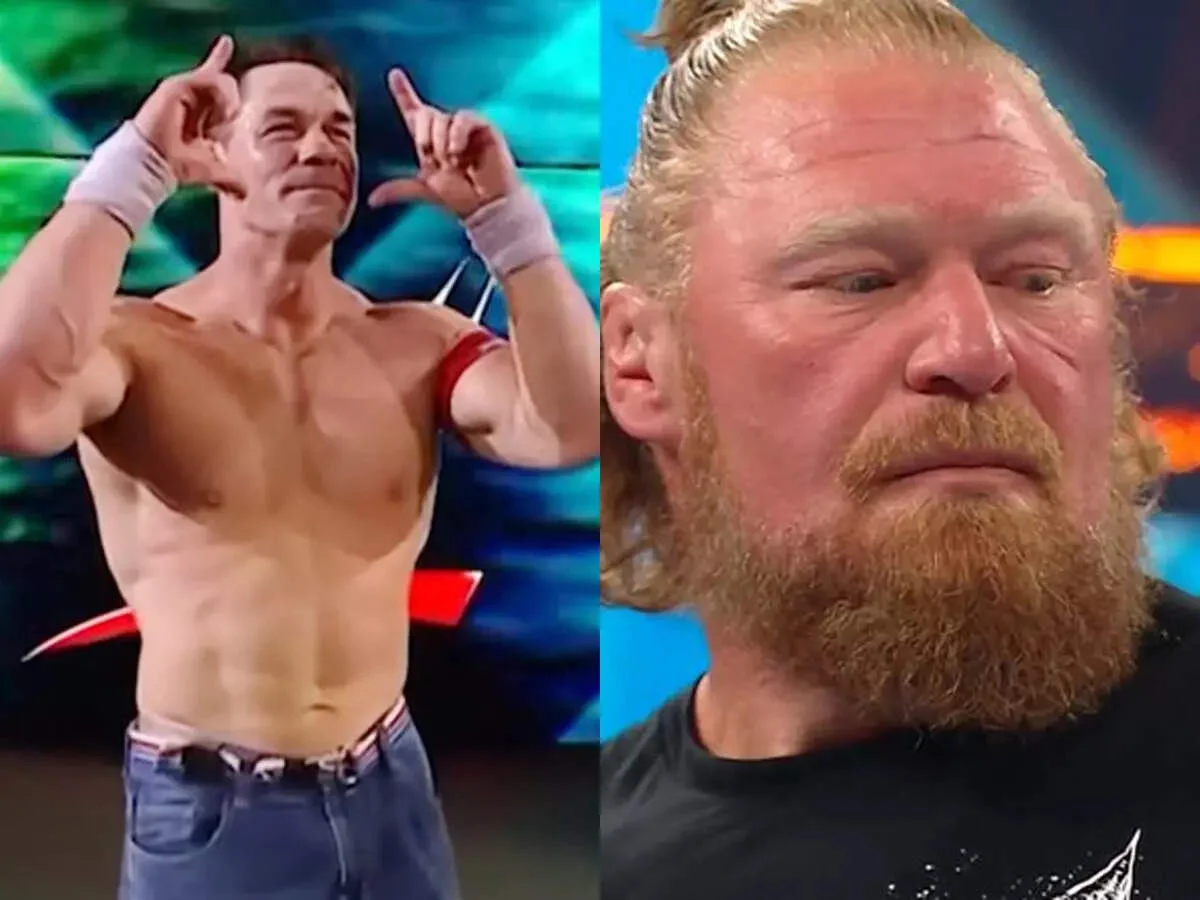
Brock Lesnar’s recent decision to turn down a WWE comeback has stunned fans and insiders alike, highlighting a pivotal moment in his career and altering the wrestling landscape. This choice, emerging amidst discussions about various wrestlers‘ futures, underscores the complexities behind star departures in professional wrestling.
Lesnar’s WWE departure decision is part of a broader conversation involving other key figures like Kevin Nash, Jim Ross, and Goldberg, each reflecting on the industry’s ongoing transitions. The reflections come as part 16 in a series of interviews that examine the career movements of several wrestlers and the evolving dynamics within major promotions.
Insights from Wrestling Veterans on Industry Shifts
Industry voices such as Wade Keller offer detailed commentary on the backstage relationships influencing storylines and talent decisions, including comparisons between current and past rivalries like Hulk Hogan and Shawn Michaels versus the classic Hogan-Rock feud. Pat McNeill’s analysis further explains why a growing number of wrestlers opt almost exclusively for WWE contracts over other wrestling organizations.
Gabe Sapolsky shares insight into recent changes in booking strategies, reflecting the shifting priorities and approaches in wrestling promotions. These perspectives highlight the broader environment where Lesnar’s choice not to return to WWE takes place, signaling changing tides in talent alignment and storytelling.
Wider Industry Context and Implications of Lesnar’s Decision
Lesnar’s refusal to rejoin WWE not only affects immediate programming but also impacts future negotiations and talent movement across competing promotions. It exemplifies how individual decisions can influence industry-wide trends and fan expectations.
This development may lead WWE and other wrestling organizations to reassess how they engage marquee athletes and manage their roster strategies, potentially shaping the wrestling business’s future direction. Fans and analysts will likely watch upcoming moves closely, as Lesnar’s stand marks a significant moment in professional wrestling’s ongoing evolution.

