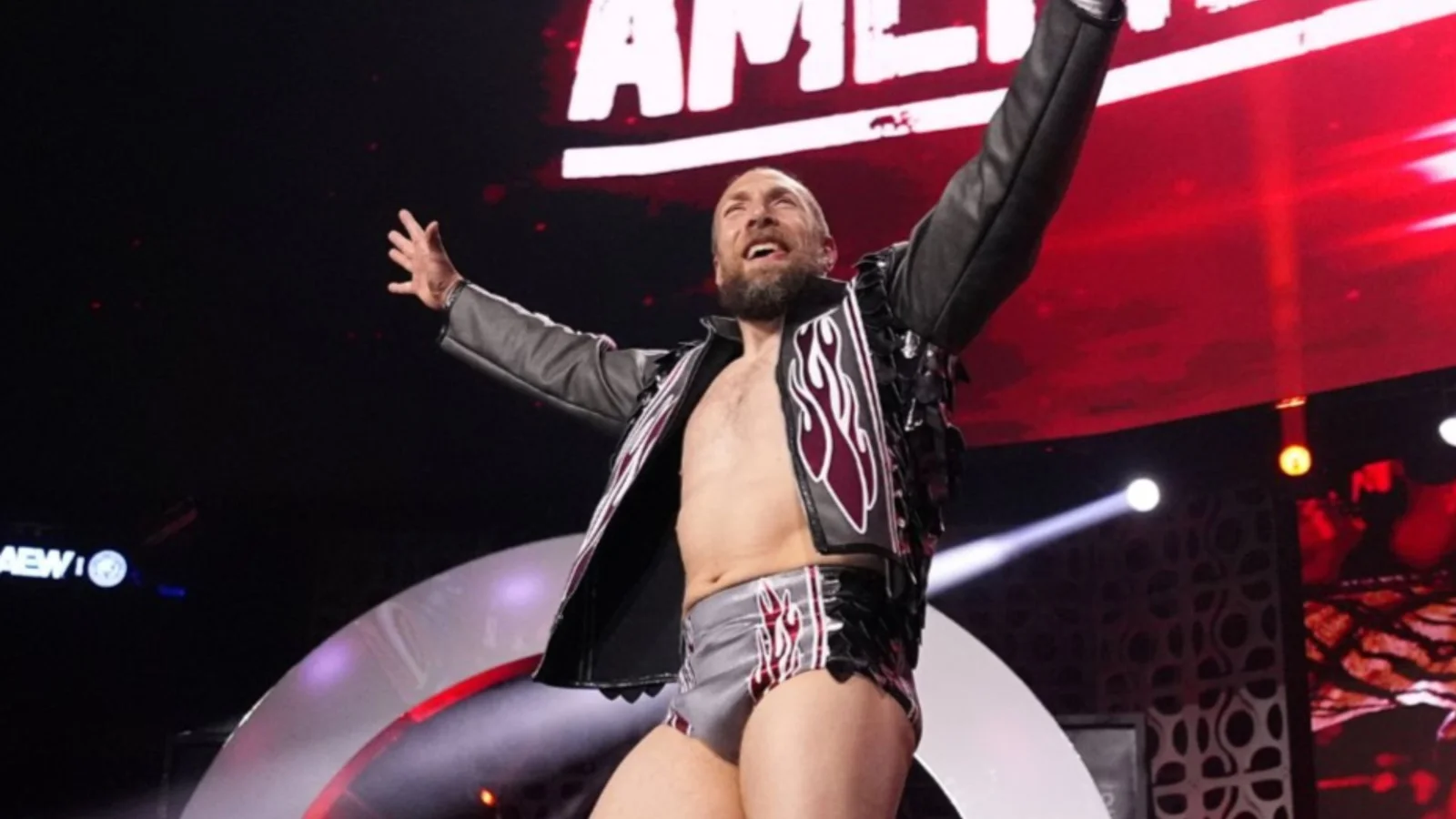
Bryan Danielson, the former AEW World Champion and longtime wrestler known for his time in WWE as Daniel Bryan, recently responded to WWE’s ban on his famous Yes chant. The conflict arose after WWE requested that Danielson stop performing the chant, which he attempted to trademark, sparking tension between the two sides.
Danielson’s iconic Yes chant became a huge fan favorite during his WWE career, where he first wrestled for over ten years. Although initially underutilized, the Washington native connected deeply with audiences, partly thanks to this chant, which helped elevate him into the company’s main event scene. Now a member of All Elite Wrestling, he has continued to use the gesture, even if only visually, despite WWE’s demands to cease its use.
Bryan Danielson Challenges WWE’s Claim Over the Yes Chant Origin
Recently, a social media user posted a clip from 2001 showing a young Bryan Danielson enthusiastically shouting “Yes” after a victory, a moment predating Diego Sanchez, often credited with creating the chant, beginning his MMA career. Danielson responded lightly but pointedly to the post, suggesting that he should have the right to perform the chant as its true originator.
“So, what you’re saying is…” —Bryan Danielson
Although Danielson’s tweet was later deleted, likely due to concerns over potential legal disputes with WWE, the exchange underscores the ongoing frustration surrounding the chant’s ownership and usage rights. WWE, headquartered in Stamford, sent Danielson a legal warning upon his trademark attempt, revealing the tension between his current and former promotions.

Danielson’s Recent Appearances in AEW Highlight His Continued Wrestling Influence
Following his loss of the AEW World Championship to Jon Moxley at WrestleDream 2024, Bryan Danielson made several notable returns to AEW programming. At the All In: Texas event, Danielson teamed with Darby Allin to counter The Death Riders during a high-stakes Texas Death Match for The One True King’s World Title, demonstrating his ongoing presence in key storylines.
A month later, he appeared in Glasgow, Scotland, not as a competitor but as a special guest announcer on AEW Dynamite, and he also contributed commentary at AEW x NJPW Forbidden Door shortly thereafter. These roles suggest Danielson remains integral to AEW’s product, though it remains uncertain if he will step back into the ring as a wrestler.
Implications of the Dispute Over Wrestling’s Signature Chant
The disagreement over the Yes chant reflects larger issues of creative rights and legacy in professional wrestling. Bryan Danielson’s attempt to trademark the chant and WWE’s subsequent legal response highlight how important these signature moves and gestures are to a performer’s identity and brand value.
For fans and insiders alike, this controversy adds an unexpected layer to Danielson’s ongoing career, possibly affecting his ability to fully express one of his most beloved trademarks. The resolution of this conflict may influence how wrestling promotions balance intellectual property claims with performers’ creative expressions in the future.

