
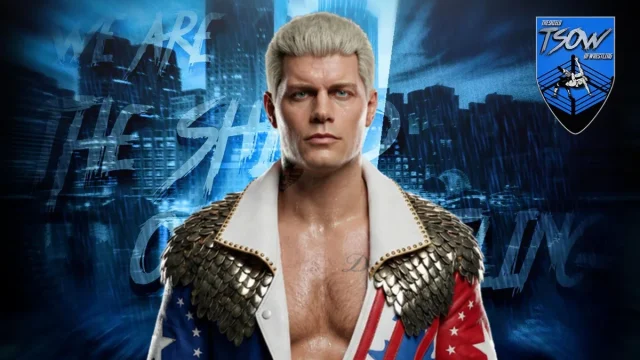
In recent years, WWE has significantly scaled back its schedule of non-televised live events, known as house shows. This reduction has allowed wrestlers more time at home and provided much-needed physical recovery. However, Cody Rhodes expressed on the podcast
What Do You Want To Talk About?
that this change comes with downsides.
“I know it gets me in trouble with my peers and I don’t care: I miss [live events] so much,”
Rhodes confessed. He explained that live shows helped maintain the rhythm of wrestling and contributed to injury prevention. Beyond that, Rhodes emphasized the importance of being part of a consistent team environment, saying,
“If you’re only here like once or twice a week, it doesn’t feel like – what team are you on? Versus, ‘No, this is our crew. We run. We run Saturday, we run Sunday.’”
Cody Rhodes on the Value of Frequent Live Performances
Rhodes also reflected on how these live events served as critical testing grounds where wrestlers could experiment with new moves and ideas without the pressure of televised programming. He pointed out how the absence of this low-stakes environment has affected the business.
The Undertaker, who joined Rhodes during the conversation, agreed with the importance of having opportunities to explore and refine wrestling styles during live events. Still, both acknowledged that the demanding schedule often led to exhaustion among performers.
There is a balance that you need,
The Undertaker stated.
You need the reps to stay sharp, and then you also need a place to try new stuff.
Current Live Event Practices and Industry Concerns
Although WWE continues to host some live events—particularly shows in the United States near holidays and during international tours like the recent European excursion—the frequency of these house shows has decreased significantly. Rhodes and The Undertaker’s reflections echo a wider concern among wrestling professionals about the decline of these traditional live gatherings.
Many in the wrestling community feel that the reduced live event schedule, while beneficial for health and family life, affects not only the performers’ development but also the sense of camaraderie and belonging within the company’s ranks.
Why This Discussion Matters for WWE’s Future
The conversation between Rhodes and The Undertaker highlights a tension within WWE’s evolving business model. While fewer live events mean improved rest and recovery, the loss of frequent in-ring practice and team cohesion could impact performers’ creativity and readiness. As WWE balances financial realities with wrestler wellness, how the company chooses to manage live events going forward will likely influence both the quality of performances and the morale of its talent.

