
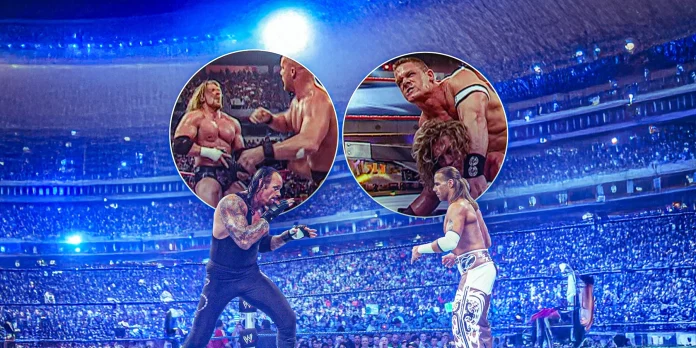
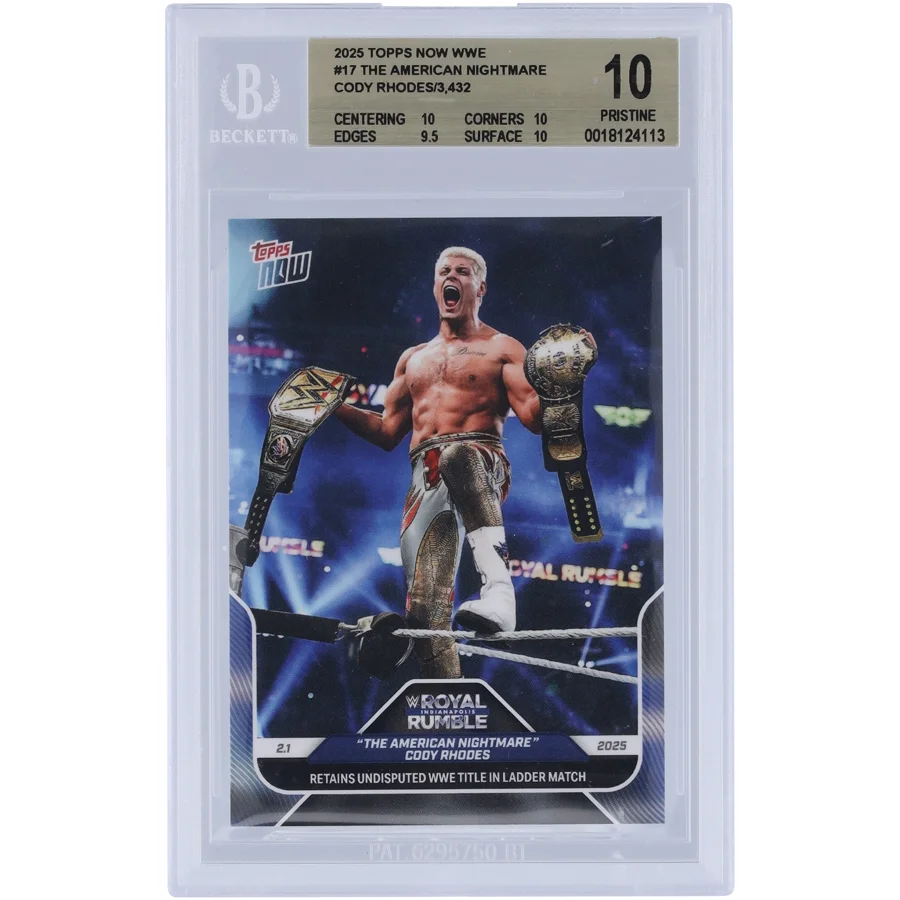
Cody Rhodes, a prominent WWE performer also known as The American Nightmare, recently shared insights into his experience of wrestling while injured during an appearance on the Bill Simmons podcast. Rhodes revealed that his decision to enter the ring despite his physical condition was influenced by pressure within WWE and personal expectations, highlighting the complex realities faced by professional wrestlers.
Wrestlers’ Tough Mentality and the Toll It Takes
Rhodes described a pervasive mindset among wrestlers that embraces pain and risk as part of the job, though he calls this mentality toxic. He referenced how, unlike modern calls for protecting oneself during matches, wrestlers like John Cena took hits without shielding themselves. Rhodes noted,
“Most wrestlers I know have a weird sense of, ‘Yeah [bring it on], yeah!’ It’s so toxic. For example, Cena turning on me; my hands aren’t up once on those belt shots. And by standards today it’s like, ‘Please, put your hands up, please!’ It’s just this weird, alpha toxic like, ‘Yeah!’”
—Cody Rhodes, WWE Star
This attitude reflects an older wrestling culture that prioritizes toughness, often at the cost of health and safety.
The Challenge of His 2022 Hell in a Cell Match
Rhodes recounted the Hell in a Cell match against Seth Rollins in 2022, marking his first WWE main event following his return at WrestleMania. He explained that significant deception and concealment were involved to allow him to perform despite injury, refusing to take the traditional backstage rest and acting as if uninjured. Rhodes shared,
“I think the idea — so many lies went into making it so I could get in that ring that night. Because I was refusing to do the old school, ‘Hey, let me be laying there backstage, and who did it?’ It was the first main event I’d had with WWE. And Peacock had a bunch of like, subs went up on it and they had told me that. And it was Hell in the Cell with Seth Rollins and this was spinning out of my coming back at WrestleMania. So yeah, I’m back and what I said all along is, ‘Hey, I can be in the main event. I can handle it and I can do well for you guys. And this is my first main event, and here I am — ‘Oh, I’m going to have to go away. I wanted to at least give them something to remember me by.”
—Cody Rhodes, WWE Star
This match was a pivotal moment in Rhodes’ WWE comeback and demonstrated his determination to prove himself despite physical limitations.
Balancing Legacy and Protection from His Father
As the son of a famous wrestler, Rhodes acknowledged the impact of familial influence on his career ethos but clarified that his father would not have supported him wrestling injured. Despite Rhodes’ birthright in wrestling, his father hoped he would pursue acting and was protective of him due to being the youngest sibling. Rhodes said,
“Oh, 100%… but here’s the thing. It’s ‘son of a wrestler’ for sure. However, if my dad had been alive, he wouldn’t have let me wrestle. Because my dad didn’t look at me like a wrestler. He wanted me to be an actor, and looked at me like I was — he was very happy when I got into it. But my dad just babied — I’m the baby of my family. Severely babied me. And just took care of me in the greatest way. To me, greatest dad ever, but if all the old school wrestlers were like, ‘Yeah, that’s it right there. That’s old school.’ He would have been the one to be like, ‘This is the dumbest thing I’ve ever seen. Why did you do that?’”
—Cody Rhodes, WWE Star
This conflict underscores the tension between wrestling’s traditional toughness and modern concerns for athlete well-being.
The Decision to Hide the Full Extent of His Injury
Rhodes admitted to intentionally downplaying his physical condition to WWE officials, ensuring he could compete in the Hell in a Cell match. Medical professionals cleared him based on the assessment that continuing would not worsen the injury, but he still chose to withhold details to avoid being sidelined. He explained,
“I lied on the way. I kept it so — the information was true. WWE’s doctors looked at me and said, ‘He can’t hurt it any worse.’ And that was true, couldn’t hurt it any worse… I was like, ‘Yeah, I’m good, I’m good.’”
—Cody Rhodes, WWE Star
This illustrates the complex balance wrestlers navigate between honesty and ambition under intense performance pressure.
The Physical Pain During the Match and Its Emotional Impact
The injury worsened just minutes into the Hell in a Cell match, causing severe pain and physical deformity. Rhodes described how his pec would cramp painfully near the collarbone, with the swelling visibly protruding. He said,
“It’s probably two minutes in. Because I hadn’t done anything… [His pec] would cramp up into the collarbone spot. So anytime you did anything, it would cramp up into the collarbone spot… it was giant. It literally was sticking out this much. And when it happened, it hurt more than anything I can remember.”
—Cody Rhodes, WWE Star
Despite the pain, Rhodes continued to push through the match to meet expectations and maintain momentum.
Rhodes’ Determination to Leave a Mark on Fans
After sustaining the injury, Rhodes wrestled with feelings of shame and pressure, knowing this was his moment to prove himself, with support from prominent WWE figures like Triple H and Nick Khan. He didn’t want to leave the event without making a lasting impression on the audience. He expressed,
“I hate saying it, but I was really ashamed. I’d never been hurt. And then I finally got the spot and I got hurt. You know Nick, and Triple H and all these guys saying, ‘Hey, you’re right Cody. We’re gonna go all in on you now.’ So I felt like I’d blown it. So I wasn’t going to leave that night without at least leaving a very large mark on hopefully the fans.”
—Cody Rhodes, WWE Star
This determination reflects the intense personal and professional stakes involved in high-profile wrestling events.
The Significance of Rhodes’ Experience for WWE and Its Fans
Cody Rhodes’ revelation sheds light on the hidden struggles wrestlers endure, especially when dealing with injuries during major matches. His story contrasts the demanding expectations of professional wrestling with personal sacrifice and the desire to uphold legacy amid physical pain. This candid account may prompt more open conversations about athlete health and the pressures inherent in wrestling’s culture, possibly fostering shifts toward greater transparency and care within WWE and among fans.

