
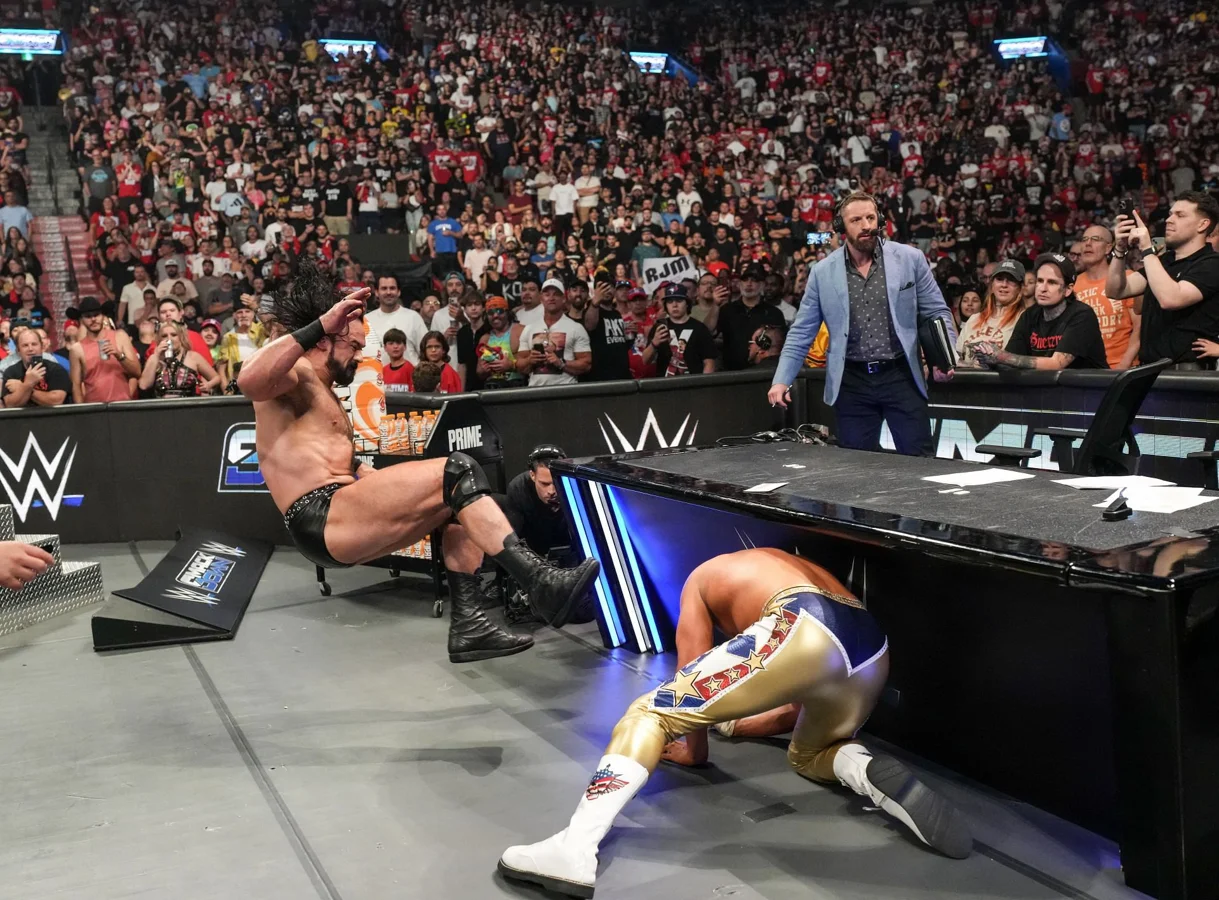
Before his highly anticipated match against John Cena at WWE SummerSlam, many speculated that Cody Rhodes would undergo a heel turn during the event. However, Rhodes disclosed that such a plan was never presented to him, clarifying that the idea never progressed to his level. This insight highlights the complexities behind storyline developments in WWE.
Behind the Scenes of WWE Creative Decisions
During a recent appearance on the SI Media Podcast, Cody Rhodes reflected on the decision-making process within WWE, emphasizing his role as a team player. He noted that major storyline changes, such as a heel turn, involve extensive discussions among key figures in the company’s leadership. Rhodes explained that when play calls are made, he is expected to carry them out, but significant turns require collaboration from multiple top executives, including Triple H, Ed Kosky, Nick Khan, and even The Rock, who is often described as the “Final Boss” overseeing creative direction.
“I play for the team. If the coach tells me, ‘This is what we’re doing,’ I might have a question or two about it,”
Rhodes said.
“I can weigh an objection or a comment, but that’s the whole quarterback element. I’m going to run the play. When discussions like that….you have the writer’s room, Ed Kosky is there, Triple H, the Final Boss [The Rock] is always present in a way, and Nick Khan. That would be a big discussion that we would all have.”
The company’s leader, Triple H, is careful to consider every potential narrative path ahead of major shows, including SummerSlam. He likes to explore all possible directions and gauge reactions from his team before settling on the final roadmap. This thorough approach helps ensure that storyline decisions contribute not only to entertainment value but also to the overall business strategy.
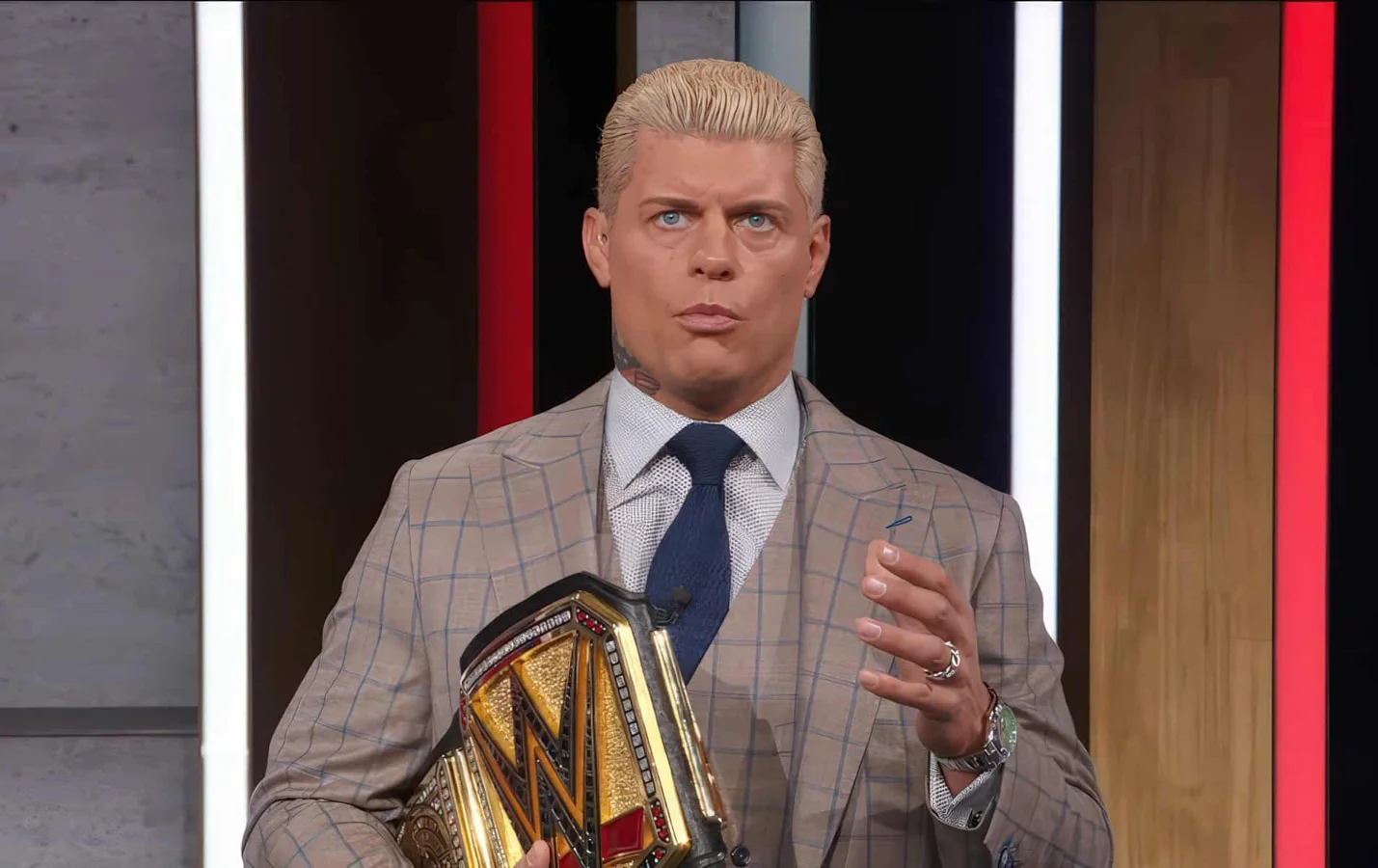
“Heading into any event, not just SummerSlam, any event, Triple H, as a leader, likes to lay out every single potential road we could go down. You might find something on the road, maybe you don’t go down it, but you think of when you do. He’s very good about polling the room. ‘If we did that, what would that look like? Where would it go? Is it just for shock?’”
Cody Rhodes’ Perspective on Turning Heel
Despite widespread rumors linking Rhodes’ character to a heel turn, he confirmed that if such conversations occurred, they were brief and never reached him in detail. Rhodes suggested that he would welcome the creative opportunity but that the decision is complex and not undertaken lightly, given its ripple effects on other talent and the company’s performance.
“I just did an interview with Unreal, and I kept hearing the phrase ‘double turn.’ Double turn is a little more complicated than people think. It shouldn’t be,”
Rhodes explained.
“I have a bounty out if one person can actually tell me what that means. They’re going to say the thing that sounds the most simple, and that’s not what a double turn is. I’m not going to get into it. Fans are always right. I’ve learned my lesson. Whenever you try to mansplain something, you end up just coming off like a dick. The fans are very much in control of what we do. If (me turning) was discussed, it didn’t go far. I don’t think it got to me, by any means, because I would have some ideas on how I would execute it and what would happen.”
Rhodes also highlighted that any significant character change could affect other top performers and the company’s momentum, emphasizing the importance of coordinating moves across the roster.
“If you’re Triple H and looking at three years of record business and you’re looking at your team. Rhea Ripley, CM Punk, Seth Rollins, Bron Breakker, Jacob Fatu, if you move a piece in a big way, does it affect the rest of the team? Do we keep record business? That’s a discussion where, with this company and the way it’s done today, it’s a team effort. Hunter is going to make the call, but he’s got a good war room of people to weigh it all out.”
The Strategic Weight of a Heel Turn in WWE
The revelation that the Cody Rhodes WWE heel turn discussion never reached him sheds light on how WWE’s creative process involves multiple decision-makers and careful evaluation, rather than sudden changes. This approach aims to balance fan interest, performer impact, and business considerations, ensuring storylines complement the roster’s collective strength and ongoing success.
Cody Rhodes’ experience demonstrates that even major character shifts like turning heel are subject to comprehensive deliberation and that the input of a broader leadership ‘war room’ shapes these critical moments. As WWE continues to build its narratives, Rhodes remains an integral player, ready to adapt if the creative direction aligns with the company’s collective goals.

