
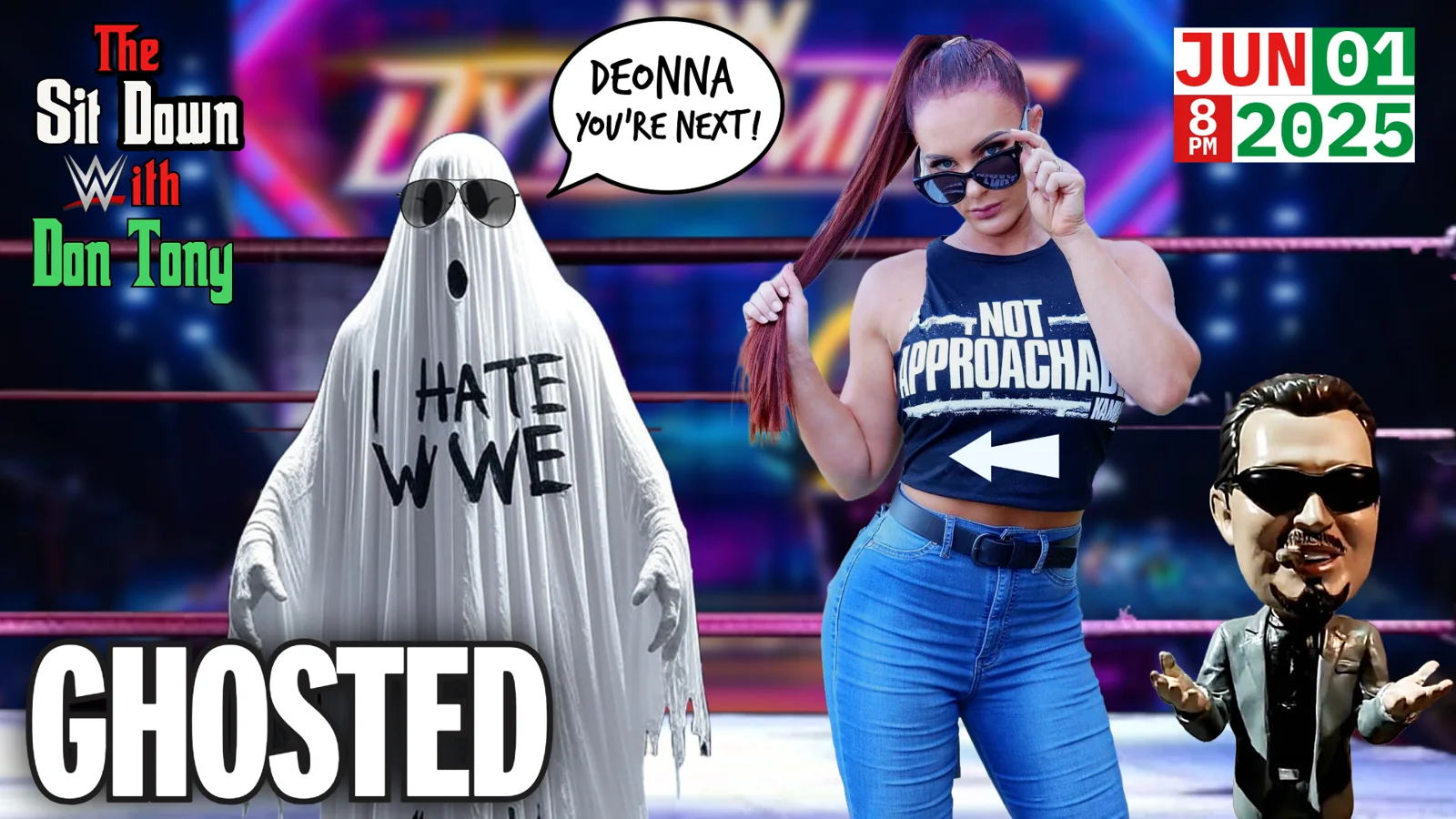
Gigi Dolin responds to online harassment and sexualization nearly a month after her release from WWE’s NXT roster, directly addressing the intense trolling and sexualized remarks she has faced. On social media, Dolin broke her silence, urging fans to focus on her wrestling career rather than objectifying her body and candidly speaking about the personal toll of online abuse.
Recent WWE Releases Spark Intense Discussion
Over the past year, WWE released several high-profile wrestlers, generating notable discourse among wrestling fans and the sports community. Ahead of the November 2024 episode of SmackDown, Baron Corbin, Indi Hartwell, and Tegan Nox were reported to have parted ways with the promotion. In February, further names exited before another major wave of departures took place on May 2nd, including prominent athletes like Cora Jade, Gigi Dolin, and Dakota Kai. These changes led to increased scrutiny and speculation about the affected individuals’ futures in professional wrestling, including Gigi Dolin’s transition since leaving NXT.
Dolin’s Concerning Social Media Post Draws Attention
Shortly after her departure, Dolin, known outside the ring as Priscilla Kelly, posted a now-deleted message on social media that raised alarms among her followers regarding her mental health. Referring to her candid expression, the post referenced the acronym “KMS,” which stands for “k*ll myself,” leading to a surge of concern and offers of support from fans and colleagues. About 12 hours later, Dolin reappeared online, sharing further updates and providing reassurance about her well-being.
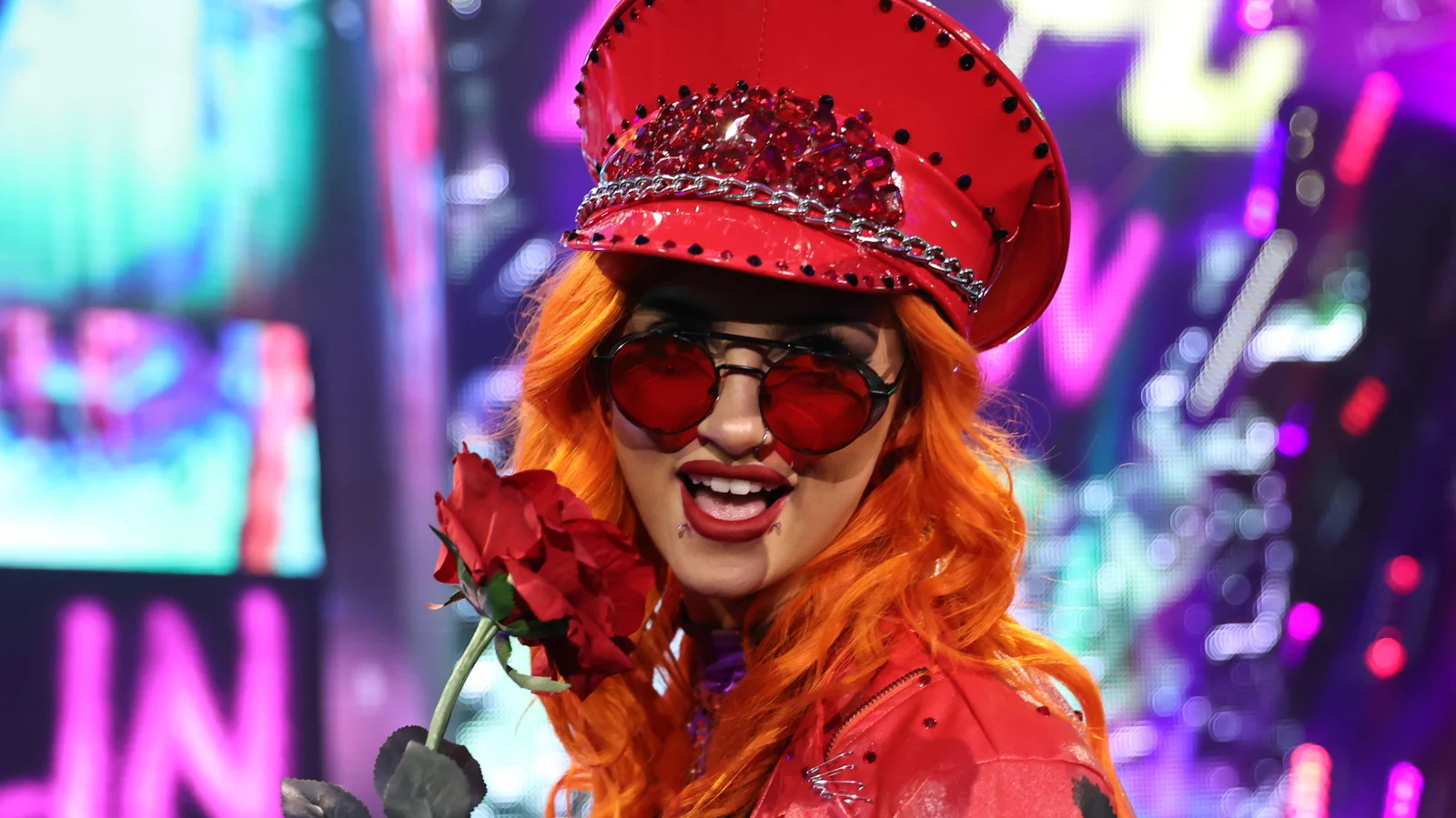
“Maybe I should just kms? Don’t worry I’ll be face down ass up in the casket for you guys.”
—Gigi Dolin, Former NXT Star
Clarifying Her State of Mind and Addressing Harassment
Following the intense reaction to her message, Dolin used her X (Twitter) profile to clarify her intent and feelings, emphasizing the impact of relentless online harassment and unwanted sexualization. She openly stated that she shared the tweet out of emotional pain but did not intend literal harm to herself. Dolin described how ongoing ridicule and objectification undermine the process of rebuilding her passion for wrestling, making it difficult to focus on her professional goals and creative aspirations.
“I tweeted out of hurt. I was being dark and sarcastic, not literal-but I understand it landed heavy. Getting mocked and sexualized when you’re trying to rebuild something you love breaks a piece of you. I’m not broken. But l’m also not bulletproof. Like most of you, I’m doing the best I can and my top priority right now is being creative, improving every day and having fun in wrestling again.”
—Gigi Dolin, Former NXT Star
Dolin went further to explain the difference between compliments and objectification, encouraging respect and understanding from her audience.
“Ps. Saying I’m hot, sexy or whatever is fine. Saying my ONLY worth is my ass, a bit different. Hope this helps.”
—Gigi Dolin, Former NXT Star
Advocating for Self-Worth and Moving Forward
In her concluding messages, Dolin asserted her value beyond physical appearance, highlighting both her professional talents and her everyday joys. She shared insights about her life outside wrestling, including caring for her pug, Herman, and enjoying simple pleasures, underscoring that her identity encompasses far more than her body.
“I’m worth more than just my ass. I’m worth my ass, some wrestling, mothering my pug Herman and I’m worth taking out for a slice of pizza from time to time.”
—Gigi Dolin, Former NXT Star
This direct communication reflects the emotional burden faced by public figures, especially female athletes in high-visibility roles. The reactions from fans and the wrestling community, including mention of colleagues like Cora Jade discussing similar issues, underscore the need for a cultural shift in how such professionals are treated online. With her statements, Gigi Dolin demonstrates resilience and an ongoing commitment to her wrestling career amid adversity, aiming to reclaim joy and agency in her professional and personal life. As these conversations gain traction, there is hope for greater respect, empathy, and mental health support for athletes navigating life beyond the spotlight.

