
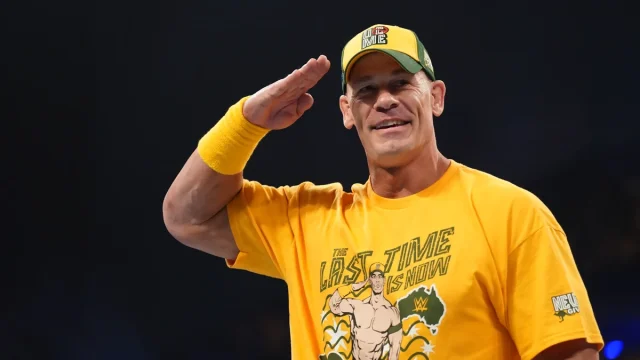
John Cena shocked WWE audiences by turning heel on March 1, 2025, during his Last Time Is Now farewell tour, marking a major shift after a career spanning two decades as a heroic babyface. The controversial heel turn occurred at the Elimination Chamber event, where Cena attacked Cody Rhodes after winning the No. 1 contender’s match for WrestleMania 41, aligning himself with The Rock in a dramatic betrayal.
Following his alliance with The Rock, Cena escalated his villainous persona by delivering a low blow and attacking him with both a Rolex watch and a weight belt. However, despite this aggressive push, the WWE’s attempt to reinvent Cena received a lukewarm reaction, failing to ignite the passionate response the promotion had anticipated.
Cena Reflects on Why Fans Rejected His Villainous Persona
In a candid conversation with O’Shea Jackson Jr. and TJ Jefferson on No Contest Wrestling, John Cena admitted that while the idea behind his heel turn was creatively promising, it simply did not resonate with the audience. Cena attributed this to the long-standing perception fans held of him as an unwavering good guy, which made it difficult for them to accept his darker side.
“[It was] a good idea. Yeah. The audience sentiment was like, ‘One, I don’t buy it because like he’s kind of a good guy. And two, I don’t want to see it.’ [It flamed out pretty quick] and pretty quick is good because everybody, everybody watching was like this is what’s happening in real time, and I could have been I could have been stubborn. Yeah. And said, ‘No, we’re going through it’ll pay off in the end.’ No, I’m not the smartest guy in the room. I listen to the people around me. Okay. Let’s change right now. Let’s change today.” – John Cena, Wrestler
Cena explained that the transition “flamed out pretty quick,” emphasizing that this quick decline was actually beneficial in keeping the momentum from dragging down the fan experience. He acknowledged that persistence in forcing the heel turn might have backfired and praised the decision to pivot promptly when it was clear the audience was unreceptive.
Reverting to Heroism Ahead of High-Stakes SummerSlam Clash
Recognizing the fans’ attachment to his heroic image, Cena eventually reverted to his babyface character before his upcoming SummerSlam match against Cody Rhodes. This strategic adjustment aimed to restore fan support and align with audience expectations as Cena’s farewell tour progressed toward its climax at WrestleMania 41.
John Cena’s brief but intense heel phase serves as a revealing chapter in his storied career, highlighting the challenges even the most iconic wrestling personalities face when attempting to alter their established personas. His experience underscores how deeply fans connect with character identities, and how difficult it can be to overturn decades of audience perception in a tightly scripted universe like WWE.
Broader Impact and What to Expect from Cena’s Farewell Tour
The fast unraveling of John Cena’s villainous turn signals a significant moment in WWE storytelling, demonstrating the delicate balance between creative risk and fan loyalty. Cena’s willingness to embrace the failure and promptly course-correct shows his understanding of the wrestling business’s demands and the importance of audience engagement.
As Cena moves forward with his farewell tour, the focus will likely return to celebrating his legacy as a beloved babyface, bringing his career to a triumphant close with memorable moments on the WWE stage. Fans can anticipate a return to the classic Cena they have admired, especially in high-profile matches like the upcoming contest with Cody Rhodes at SummerSlam and WrestleMania 41.

