
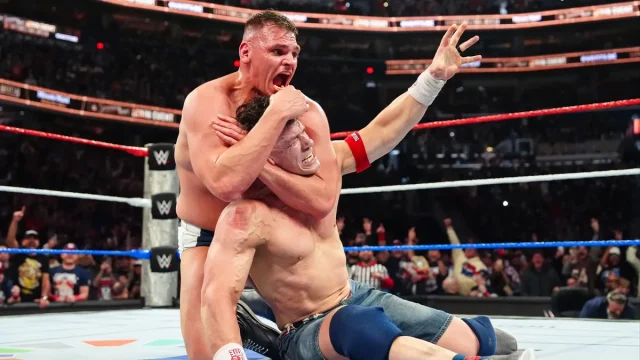
John Cena’s impact on WWE extended far beyond his matches and championship victories; he was deeply engaged in the business side of the company. During an appearance on the No Contest Wrestling podcast, Cena explained why tracking merchandise sales, attendance figures, and other key metrics became a vital part of his WWE journey. His keen attention to these details was driven not by ego but by a genuine commitment to the wrestling industry’s entire ecosystem.
Cena emphasized that his passion for wrestling encompassed more than just the performance aspect, stating,
“When I say I’m a fan of the business, I mean I’m a fan of all of it. A lot of people are fans strictly of the creative and performative process. Some are fans of creative—‘storylines are garbage.’ Some are fans of performance—one star, five stars. Some are fans of both. Very few are fans of the whole gamut.”
?John Cena, WWE Superstar
Approach to WWE: Commitment Over Championships
From the moment Cena signed with Titan Sports, his priority was not chasing championship titles but proving his value to the organization. He viewed every paycheck as a call to exceed expectations, saying,
“As a student of the game, I never started wrestling—especially as an employee for Titan Sports—with the mindset of ‘I want to be champion.’ I looked at my check and I said, ‘I want to make these guys proud. I don’t want to let them down.’ The way to do that is for every dollar they give you, give them back ten. So you have to learn how to do that.”
?John Cena, WWE Superstar
This mindset fueled his desire to understand every facet of WWE’s operations. Cena often expressed gratitude to everyone behind the scenes, from production crews to catering, highlighting his holistic respect for the effort that made shows possible.
He recalled,
“I used to thank the TV truck before every broadcast. I thanked catering up to my last day. Stagehands, merchandise, social media, live events, international teams—especially when we were doing TV deals.”
?John Cena, WWE Superstar
Tracking Attendance and Merchandise as Accountability Tools
Cena noted the significant evolution of WWE’s global reach and media presence. Modern streaming deals, such as with Netflix, revolutionized how WWE expanded its live event footprint internationally, enabling the company to track audience engagement and attendance with greater precision.
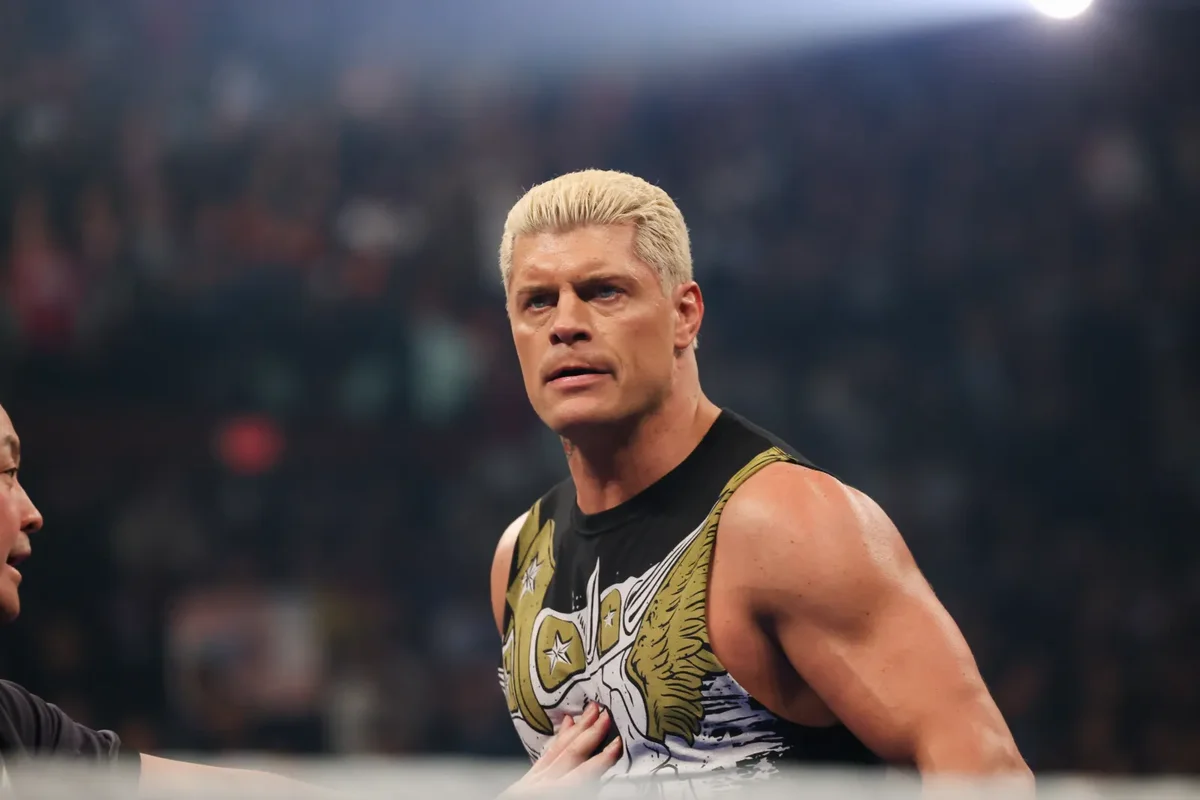
He explained,
“When Germany was up for a deal, we had to go get it done. Now with Netflix, it’s fantastic. You want to see us around the world? Netflix makes it easy. That brings crazy expansion in global live events because we’re live as it happens. Now we have a heat map of where we can go and where we need to go. If we drew 2,500 people, how many did we walk up? What does the building hold? What does it cost? Before me, that knowledge was used so I could get paid—‘the house was a million bucks, pay me.’ I do deals on a handshake. Loyalty is a core value of mine.”
?John Cena, WWE Superstar
This data tracking was never a mere formality for Cena; it was a clear measure of relevance and responsibility, showing where WWE was succeeding or needed to improve.
Prioritizing Job Security Over Top Earnings
Despite his status as a 17-time World Champion, Cena admitted he was never the highest-paid star on a WWE card and was comfortable with that. Instead of negotiating for maximum fees, his goal was long-term security and trust within the company.
Cena recalled a pivotal conversation, stating,
“I was never the highest-paid person on the card. There were always people who negotiated better fees, and I’d cheer them on. They were better negotiators—in the dollar sense. I walked into a man’s office and he asked, ‘What do you want?’ I said, ‘I want you not to be able to fire me. I’d like to do a deal for as long as you have.’ He said, ‘How about a decade?’ I said, ‘Can you do more?’ … He asked what I wanted to be paid. I said, ‘Figure it out. Just don’t fire me.’ I can be a wrestler for ten years, and in ten years I’ll show you what I can do. I’m not tracking t-shirt sales to build a house. It’s just a data point. You track it to see if people still care. If the arena’s loud against you but there isn’t a seat left, and you sold 42% of the merch, maybe it’s not time to change.”
?John Cena, WWE Superstar
This perspective highlights Cena’s focus on measuring fan engagement and career longevity rather than short-term financial gain.
Witnessing WWE’s Media and Business Transformation
John Cena acknowledged the fast-paced changes within WWE’s business model throughout his career. He has observed the company’s transition from traditional pay-per-view events to streaming platforms and the shifting management of merchandise distribution.
He shared,
“The business fascinates me. We’ve gone through such an evolution—outsourcing merchandise to Fanatics, moving from pay-per-view to streaming, launching our own network, then outsourcing again… It’s moving fast. It’s growing. When I tell you I love the business—I love the business.”
?John Cena, WWE Superstar
For Cena, staying attuned to these developments was as thrilling as his time inside the ring, underscoring his deep-rooted passion for every aspect of WWE’s success.
John Cena’s Lasting Influence on WWE
John Cena’s legacy in WWE runs deeper than just his in-ring achievements and memorable catchphrases. His dedication to understanding and participating in the WWE business—whether through attendance tracking, merchandise sales, or global expansion—showcases a commitment that few stars embrace fully.
By prioritizing company loyalty, long-term security, and business knowledge, Cena set a standard for performers who seek not only to entertain but to contribute to WWE’s growth and sustainability.

