
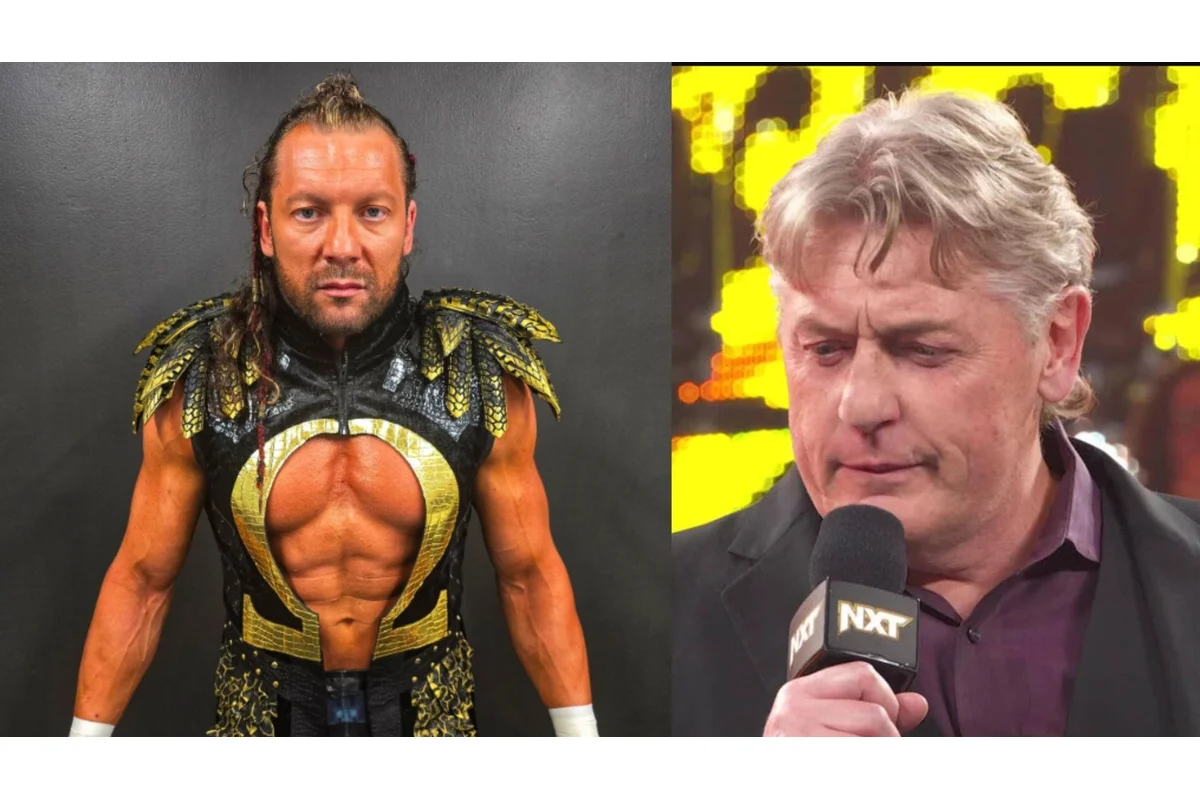
Kenny Omega has come forward to endorse William Regal’s stark warning regarding wrestler safety, echoing the need for greater awareness and responsibility among professional wrestlers. The ongoing discussion, sparked by Regal’s emotional statement, has seen responses from notable stars across both WWE and AEW, putting wrestler health and risk-taking at the center of industry debate.
Recent Warnings Ignite Conversation Among Wrestling Stars
William Regal’s heartfelt message about the dangers facing pro wrestlers rapidly captured attention, with personalities from WWE and AEW responding. Stars including Piper Niven and Ivar publicly shared their reactions and concerns following Regal’s comments. Kenny Omega, an AEW headliner recognized for pushing physical limits in the ring, has now joined the conversation, emphasizing the seriousness of the issue and supporting Regal’s advice.
Addressing Ongoing Risks and Debates Around Head and Neck Injuries
William Regal’s statement was widely interpreted as a reaction to risky maneuvers—such as those performed by Kyle Fletcher and other AEW athletes—which can involve dangerous landings on the head and neck. However, Kenny Omega pointed out that the matter reaches beyond individual promotions or personal rivalry. According to Omega, these warnings are relevant to every wrestler, regardless of their organization or level of fame.
Kenny Omega Shares His Perspective on Preventing Harm in the Ring
Omega’s public response emphasizes unity within the wrestling world and the universal need to prioritize safety over competition or tribal loyalties. He highlights the unique burdens faced by wrestlers, the physical dangers inherent in their profession, and the value of heeding calls for caution from experienced veterans like Regal:
Regardless of timing or perceived intent, the general message from Mr. Regal remains a positive one. Tribalism, whataboutism, and other ‘isms’ aren’t needed here.
Safety often takes a back seat when a wrestler is locked in and actively chasing the dragon. We all sometimes need a voice from afar to tether us back to reality and to tell us that the risks have consequences. The odds aren’t in our favor and none of us will walk away unscathed.
This isn’t company vs company or wrestler vs wrestler. This is about a general awareness and a knowing that the cost of what we do is directly related to the amount and severity of risk(s) that we take.
Keeping that in mind, as athletes, we aren’t all created equally. As responsible adults, we need to be realistic and know our own physical limits. I’d have to give my head a shake if I wanted to try a twisting shooting star, but I’d never say a word to Pac.
I look at this all as great food for thought. Something to always be cognizant of. It shouldn’t be about making it a competition.
Thank you, Mr. Regal.
— Kenny Omega (@KennyOmegamanX) December 29, 2025
Omega’s words underline that safety should be a shared concern, not undermined by rivalry or comparison. He notes that even the most seasoned professionals sometimes need reminders to pull back for their own well-being and future quality of life.
William Regal’s Grave Warning Draws from Personal Experience
William Regal, revered for his in-ring career and now for his guidance outside the ring, issued a detailed and emotional warning born from personal hardship. He recounted his history of serious neck injuries, specifically breaking his neck twice—once in the ring and once in a car wreck. Regal described the painful daily realities that have resulted from those injuries, cautioning against the normalization of highly risky moves that jeopardize long-term health:
“I stay off here but was alerted to something today that has alarmed me. I don’t read any comments so don’t waste your time trying to argue or justify your very wrong opinions on this. I broke my neck twice,9/93 in ring and a car wreck in ‘97 and stupidly never told anyone. And I was taught properly how to bridge and not land on the top of my head. It’s a skill that maybe 99.9 % of people don’t know or will ever learn anymore. I kept going somehow but knew all the tricks that again people don’t learn now and watch film and just copy. After Misawa San passed from his neck problems I thought it would stop this nonsense but it’s got worse and whenever I talk to people about them doing it it’s “well it doesn’t hurt….” Believe me it will . I have people close to me now, Bryan being one, who is suffering daily like myself from his neck. It’s a daily misery and sleep and every other aspect of your life is more than hard. Although people use the term tough about me you’ll never hear me say that as I’m not and don’t think I am or have ever been. Money and whatever nonsense fame is supposed to be is not worth the pain or supposed two evening glory you get from these ridiculous moves dropping yourself on your head. The vast majority of fans don’t know the difference between a vertical suplex and a brain-buster and that’s a far tamer move than many I see now. I’m 57 and become less relevant every day but fame has never been my thing so most of you doing this STUPID stuff are not going to listen to me but hopefully a few do. Stop it now if you want a decent quality of life after Wrestling because that part of your life will be over before you know it and wrestling done right is hard enough but broken necks or death are not something you should think is tough or cool. It’s idiotic thinking.” — William Regal
Regal’s message is raw and urgent, aimed not just at current performers but also the younger generation of aspiring wrestlers who may be unaware of the full consequences of repeated head and neck trauma. He references both the difficulty of recovery and the permanent impact these injuries have had on his daily life and those of his colleagues, such as Bryan, spotlighting the often-unseen challenges endured long after the spotlight fades.
Industry Reactions: WWE and AEW Stars Weigh In
The conversation around safety escalated when Piper Niven and Ivar, both WWE talents, voiced agreement with Regal’s perspective. Their statements, alongside Omega’s, illustrate a growing consensus that the wrestling community must confront the issue with seriousness rather than deflection or competitive defensiveness. Regal’s comments, although interpreted by some as targeting specific moves or performers, are being acknowledged as broader advice meant for all athletes in the field.
These exchanges have cut through typical company lines, encouraging dialogue about best practices for training and performance. Both WWE and AEW, as major organizations in the industry, have seen their top talent publicly consider the balance between spectacle and self-preservation, making wrestler safety a central talking point among fans and wrestlers alike.
The Reality of Risk: Physical Limits, Fame, and Long-Term Health
Omega’s remarks call attention to the physical differences and individual abilities among athletes. He stresses that each wrestler must realistically assess their capabilities and avoid imitating moves that could put them at higher risk for serious injury. Directly referencing high-difficulty stunts attempted by the likes of Pac, Omega suggests that self-awareness and honesty about limitations are crucial for career longevity.
Regal, meanwhile, questions whether fleeting fame or money justifies the pain and loss of quality of life resulting from reckless in-ring choices. His experience, paired with references to the suffering of others, makes clear the stakes involved for anyone considering dangerous maneuvers. For Regal, and now Omega, the community must look inward and examine the normalization of hazardous behaviors, particularly amid a culture of one-upmanship where performers feel compelled to impress at any cost.
What the Industry Could Do Next: Raising Awareness and Changing Culture
The powerful statements from Regal and Omega arrive at a time when professional wrestling continues to evolve, both in athleticism and entertainment value. As emerging and veteran talents alike speak out, their words may prompt organizations like WWE and AEW to reevaluate safety protocols, training methods, and the messaging delivered to performers and fans.
Wrestlers such as Piper Niven, Ivar, and Omega, along with influential voices like Regal, underscore the importance of solidarity over rivalry and of safeguarding health over fleeting glory. Their advocacy for safety suggests a potential shift in industry culture, where caution, player education, and honest conversations about risk are valued as much as competitive spirit.
Ultimately, as these conversations continue, the wrestling world may see renewed focus on long-term welfare, not only through improved organizational standards but via a greater willingness among wrestlers to speak out about the realities of their craft. By heeding the warnings of veterans and supporting each other openly, the industry can work towards ensuring future generations of wrestlers have the chance to leave the ring with their health and dignity intact.
Regardless of timing or perceived intent, the general message from Mr. Regal remains a positive one. Tribalism, whataboutism, and other ‘isms’ aren’t needed here.
Safety often takes a back seat when a wrestler is locked in and actively chasing the dragon. We all sometimes need…
— Kenny Omega (@KennyOmegamanX) December 29, 2025

