
Celebrity involvement in professional wrestling remains a double-edged sword, simultaneously fueling its growth and raising concerns among dedicated fans. In 2025, as wrestling enjoys heightened popularity, figures like Logan Paul continue to influence the industry’s trajectory. This article delves into how such outsiders, including Logan Paul, shape WWE and broader wrestling culture.
Celebrity Entrants and Their Unique Paths into Wrestling
Pro wrestling has long had a complicated relationship with celebrities stepping into the squared circle. While stars from other fields often boost viewership and bring new audiences, their presence can take opportunities from trained wrestlers and sometimes expose the sport’s theatrical nature in ways frowned upon by purists. Fans appreciate passion and dedication, and skepticism arises when they believe a celebrity participates only as a business move without genuine interest in wrestling.
Among notable newcomers is actor Paul Walter Hauser, who stands out by entering wrestling from the opposite direction than most celebrities. Unlike those who wrestle to gain fame for Hollywood, Hauser pursued wrestling after achieving success as an Emmy- and Golden Globe-winning actor. Despite a well-established film and TV career working alongside legends like Clint Eastwood and Spike Lee, Hauser pursued his passion for wrestling by competing in independent promotions such as MLW and ROH.
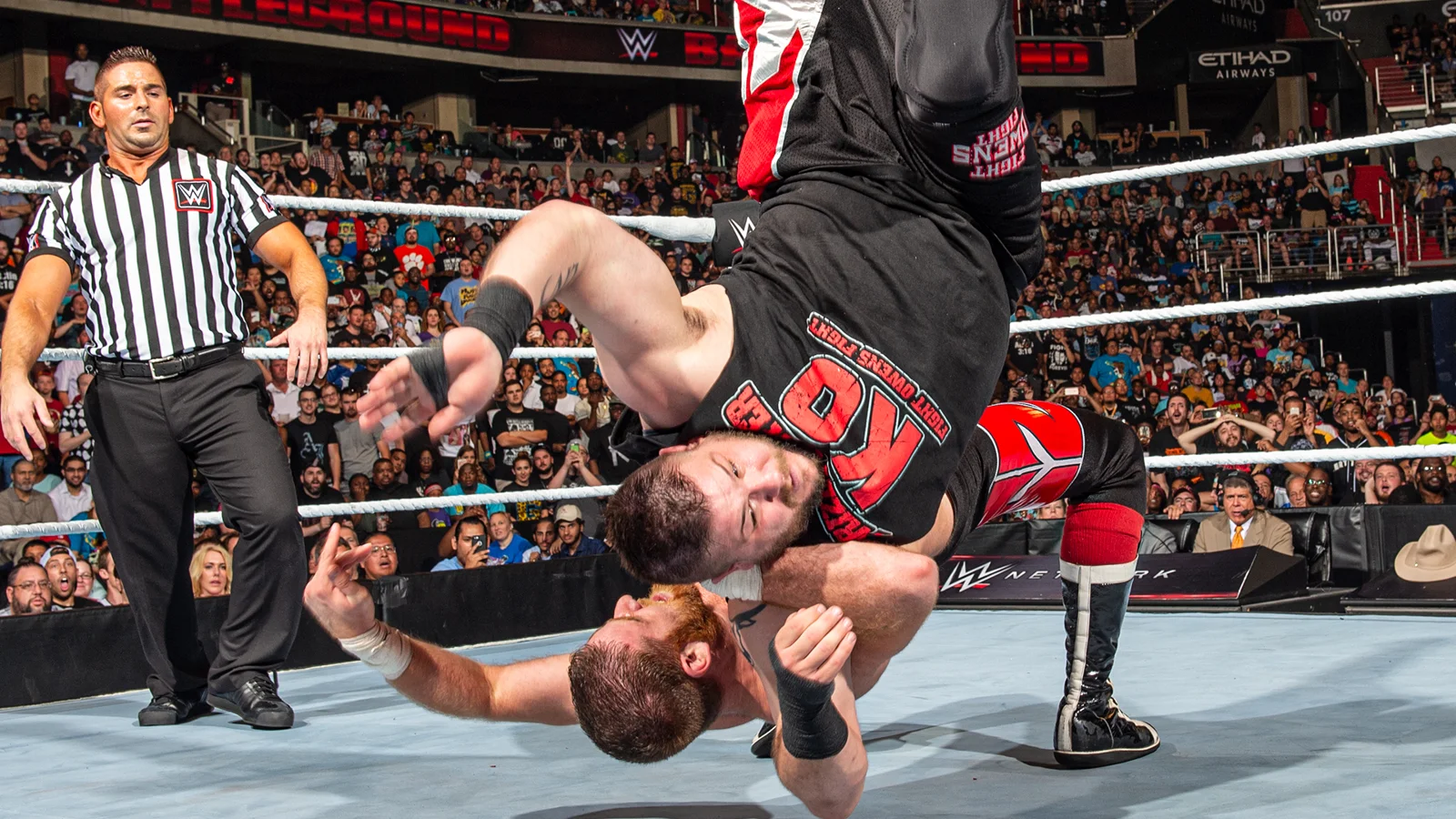
At events like Death By Dishonor, Hauser earned respect by showing earnest commitment, including adapting his physique to perform properly and battling in challenging match types, like a hardcore solo bout before a tough crowd of 2,300 attendees at the 2300 Arena. His effort to honor wrestling’s tradition and art form impressed discerning fans who recognized his sincere love for the industry.
Bad Bunny’s Successful Transition into Wrestling Stardom
Another significant outsider is Bad Bunny, whose involvement pushed wrestling into new global territories. Unlike traditional wrestling fans or performers, Bad Bunny’s entrance into pro wrestling came with immense pressure: stepping into the ring on a worldwide pay-per-view for the first time, sharing the card with top stars, and carrying significant expectations for drawing viewers and ticket sales.
Defying doubt, Bad Bunny delivered impressive performances that earned him a second singles match, proving his ability to handle the intensity of live televised wrestling. His music stardom attracted audiences beyond WWE’s usual reach, especially in countries where he outranks the wrestling brand’s popularity, amplifying WWE’s success during and after his wrestling participation. Even as he returns to music, rumors of his future wrestling appearances persist, indicating his lasting effect on wrestling’s broader appeal.
Mr. T’s Enduring Influence on Wrestling’s Golden Era
Mr. T represents one of the earliest and most iconic examples of a celebrity elevating wrestling’s profile. Rising from nightclub bouncer to ’80s cultural icon, he caught the attention of Sylvester Stallone and appeared in the hit film Rocky III alongside Hulk Hogan as Thunderlips. This role helped propel Mr. T into wrestling when he teamed with Hogan at the first WrestleMania, playing a significant role in wrestling’s rise during its boom era.
His presence extended into subsequent WrestleMania events and later into WCW nostalgia moments. Beyond the ring, his passionate advocacy for respecting mothers and heartfelt Hall of Fame speeches helped cement Mr. T as more than just a celebrity guest — he became a beloved figure who transcended wrestling’s spectacle.
Mike Tyson’s Game-Changing Role in Wrestling’s 1990s Boom
Few outsiders have had a greater transformative effect on professional wrestling than Mike Tyson. According to renowned wrestling executive Eric Bischoff, Tyson’s involvement marked a turning point that intensified the competition for viewers during the 1990s Monday Night Wars. Tyson’s fame and controversial personal history drew unprecedented eyes to wrestling programs in a time before online streaming, when a single televised moment could capture massive attention.
His alliance with Stone Cold Steve Austin was a critical plot device that helped Vince McMahon position himself as wrestling’s most notorious villain and solidify WWF’s dominance. Tyson’s role proved that bringing pop culture figures into wrestling storylines could generate excitement and radically expand the audience beyond traditional wrestling fans.
Logan Paul’s Controversial Position in Wrestling’s Evolution
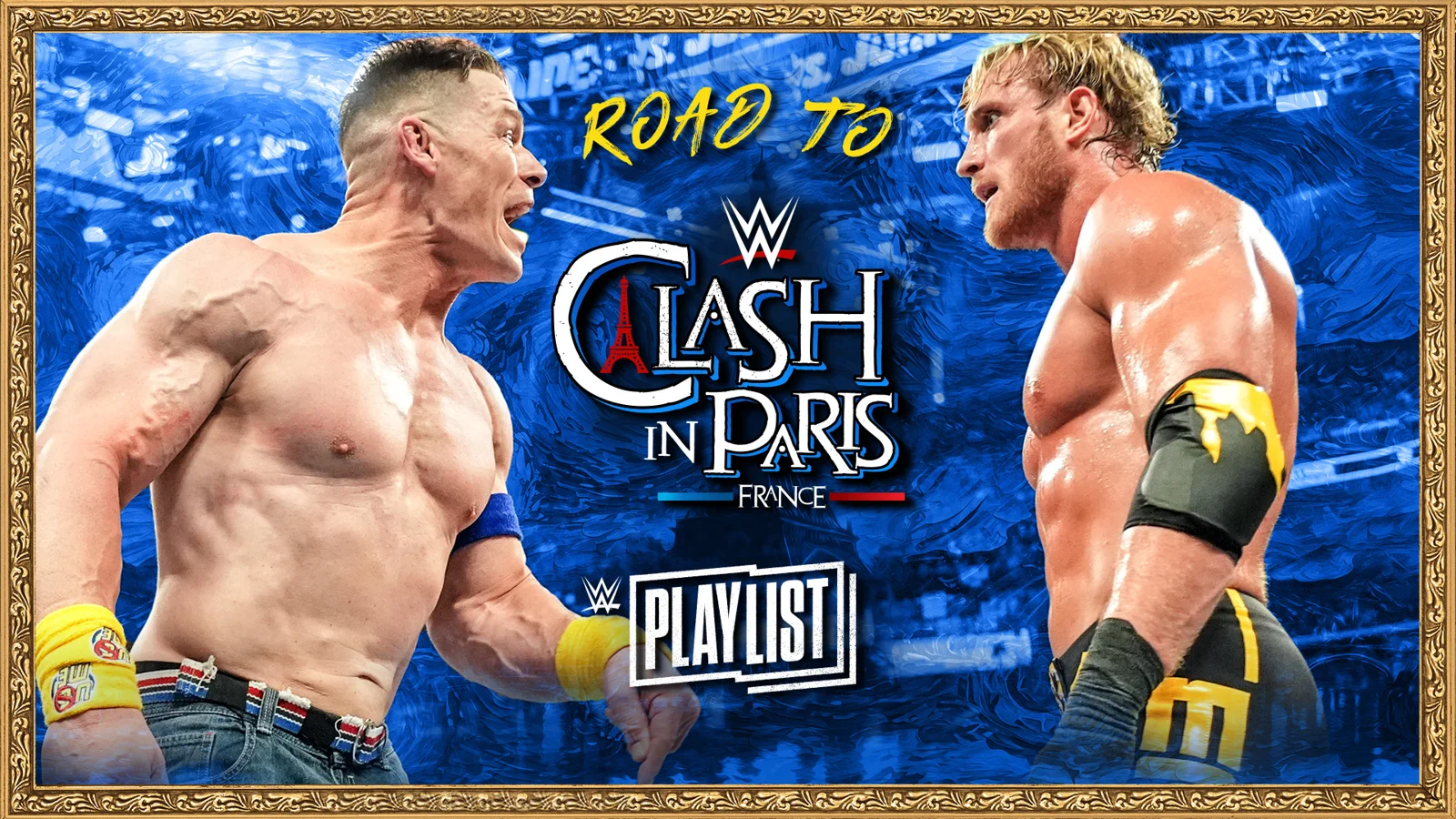
Logan Paul’s entry into WWE has triggered mixed feelings among fans and industry insiders. His match with John Cena in Paris highlighted his struggle to earn wrestling purists’ respect fully. Questions remain regarding the balance between his aspirations to be a serious wrestler and his motives tied to expanding his personal brand. This tension has created uneasy divisions, with some labeling him a temporary celebrity presence benefiting from wrestling’s popularity without genuine long-term dedication.
Despite criticism, Logan Paul’s massive streaming audience undeniably followed him into wrestling, providing the company with an extensive new fanbase. John Cena, known for his provocative promos and showmanship, pointed out Logan’s current standing as an outsider still seeking acceptance. Nevertheless, Logan’s in-ring performances show rapid improvement as he develops instinct and skill, with many expecting him to eventually hold prestigious titles, including the World Championship.
His participation not only shifts wrestling’s cultural landscape but forces fans and wrestlers alike to confront what wrestling’s future looks like in an era dominated by digital influencers and streaming platforms. Whether acceptance comes before, during, or after Logan’s tentative rise remains uncertain, but his impact on WWE’s business model and audience reach is undeniable.
Why Outsiders Like Logan Paul Matter for Wrestling’s Future
The involvement of celebrities such as Logan Paul, Bad Bunny, Mr. T, Mike Tyson, and Paul Walter Hauser illustrates pro wrestling’s ongoing transformation as it balances tradition with new crossover appeal. As the industry continues to thrive in 2025, outsider figures bring fresh attention but also prompt intense discussion about authenticity, respect, and the blending of entertainment genres.
Logan Paul’s case, in particular, epitomizes contemporary challenges wrestling faces: integrating streaming stars with massive followings into a physical sport that prizes experience and commitment. These new dynamics influence WWE’s strategies to capture younger, digitally native audiences, even as they navigate conservative fan skepticism and legacy wrestlers’ concerns.
Going forward, the wrestling world will watch how Logan Paul and others evolve within the industry, measuring whether they can balance fame with lasting legitimacy. Their journeys and performances will shape professional wrestling’s identity, popularity, and cultural significance in years to come.

