

AEW star Mike Bailey recently shared insights into some of the most challenging hits he has endured during his wrestling career. Speaking with Fightful’s Sean Ross Sapp, Bailey described the intensity of physical punishment he has faced, including chops and kicks delivered with significant force. He recalled a particularly hard series of chops from Kevin Steen during their match at C4 Wrestling in Canada, emphasizing how his approach to handling pain has evolved over time.
Bailey explained,
“So I don’t know. I’m not able to answer that question. I’ve never been like knocked out in the ring or anything like that. I’ve been hit very hard. I’ve been chopped very hard. I’ve been kicked very hard. Where Kevin Steen’s chops in my second match at C4 Wrestling in Canada, he chopped me a lot and very hard. But I think over the years of pro wrestling, I kind of failed to recognize how hard I’m being hit because my brain has been fully rewired to absorb that pain and kind of turn it into—I don’t want to say pleasure, that sounds too weird—but a positive reward mechanism that I know, ‘Oh, this felt great. The audience got a good reaction,’ and absolutely not care about how much it hurts. I am one of the first people to say, ‘Chops don’t hurt me. I don’t mind. I don’t care. You can kick me, chop me, slap me as hard as you want.’ Please don’t take that out of context.”
—Mike Bailey
Bailey Critiques Veteran Wrestlers’ Views on Ring Psychology
Beyond physicality, Bailey addressed the ongoing dialogue surrounding psychology in professional wrestling, targeting some established veterans’ criticisms of modern wrestling storytelling. He expressed frustration at veterans who dictate how moves, like the superkick, should be used within a match, often insisting these should only serve as finishing maneuvers.
Bailey argued that many veteran matches contradict those claims, citing repetitive patterns such as trading unprotected punches and performing illogical sequences that disregard realistic consequences. He highlighted the cognitive dissonance in certain long-held conventions, particularly questioning the authenticity of pinfalls in wrestling, which he declared the most “fake” aspect of the sport.
He elaborated,
“I get so angry. I get so, so enraged at all the veterans of professional wrestling who will talk about psychology and, for example, why a superkick should only be a finish and stuff like that. But if you watch their matches, 90 % of them started with, ‘I will give you four unprotected right hooks. You will block the fourth one. Give me four of your own unprotected right hooks directly to the jaw. Then you will grab me by the arm, push me to the ropes, attempt to throw me. I will reverse your Irish whip because I am unaffected by I’m equally unaffected by your four unprotected right hooks to the face and then I will give you a back elbow or some bullshit and then you will go down on the back elbow, ignoring the fact that we punched each other directly in the jaw.’ Again, don’t get me started on cognitive dissonance when it comes to logic in professional wrestling. Pins? Pins are the fakest part of professional wrestling. If you’ve ever done any kind of pin-based wrestling, you do not let go of the person at 2.9, cradle your head, look in the camera, and go, ‘Oh!’ for just about 10 seconds. I think Akatsuki is her name in Marvelous, who has started actually like trying to pin someone, and that’s the game. It’s amazing because it’s how painting actually works, which is unlike anything we’ve ever seen in pro wrestling. But again, that is the beauty of professional wrestling is that we perform in the universe that we create. We make rules, and as long as they’re consistent and are perceived as logical by the audience that is watching, then it’s fine. Then it’s all good.”
—Mike Bailey
Reevaluating Rules and Audience Expectations in Pro Wrestling
Bailey’s perspective emphasizes that professional wrestling exists within a unique framework where performers construct their own universe and rules. He believes that as long as the audience sees the portrayal as logical and consistent, the performance remains authentic, regardless of conventional wisdom from veterans.
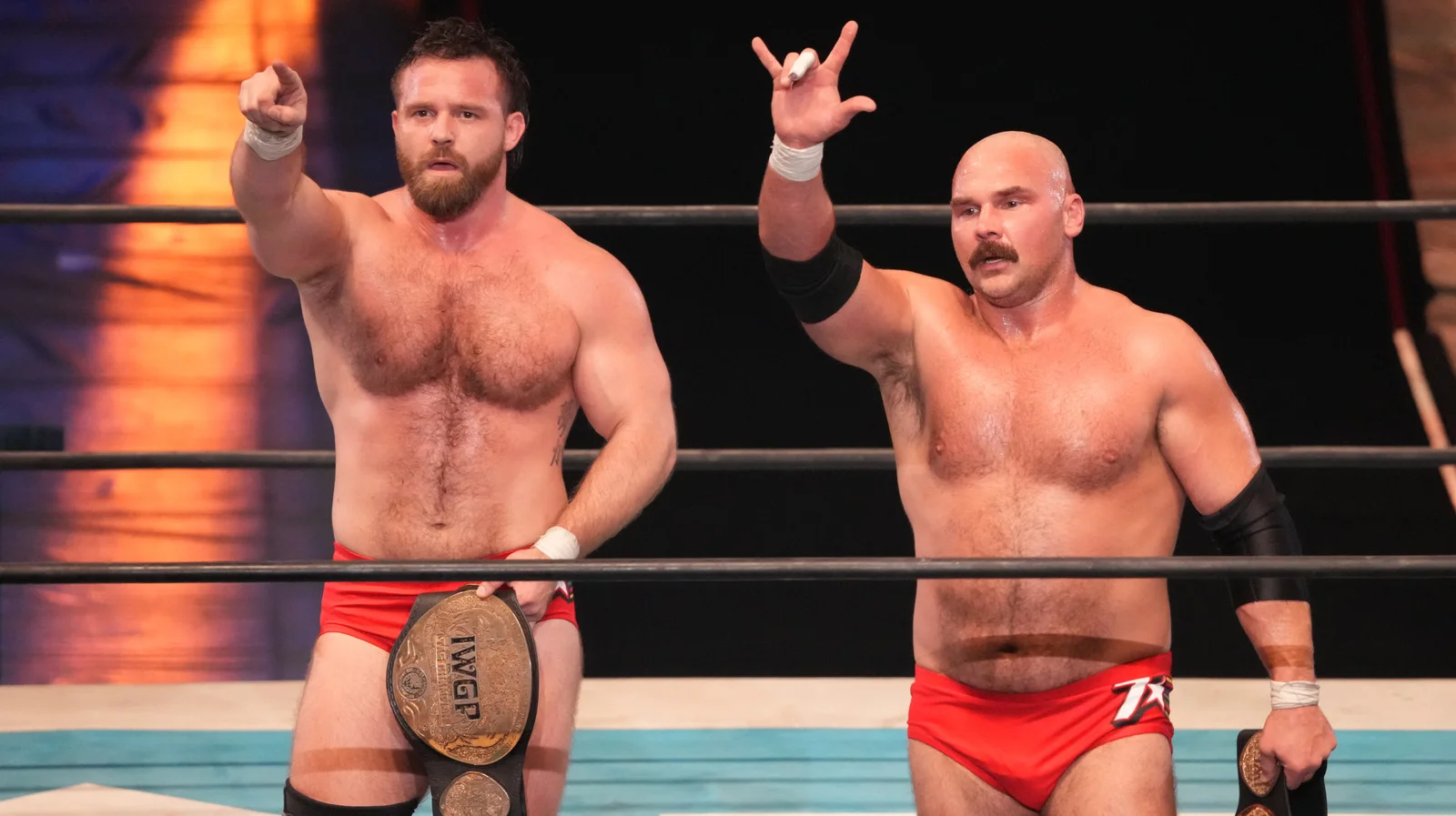
His remarks challenge the long-standing traditions upheld by seasoned wrestlers and provoke a larger conversation about evolving wrestling psychology and storytelling approaches. Bailey’s insights encourage fans and performers alike to reconsider how match dynamics and in-ring interactions contribute to the overall show.
As the debate continues, Bailey’s outspoken views may influence the direction of wrestling psychology conversations and how future performers approach in-ring storytelling, blending realism with creative expression.

