
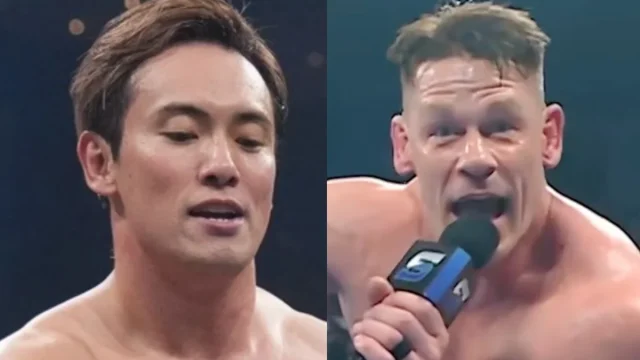
Kazuchika Okada, who returned to New Japan Pro Wrestling (NJPW) at Wrestle Kingdom 20, expressed his dissatisfaction after the event held in early January 2026. Okada faced Hiroshi Tanahashi in the final match of Tanahashi’s illustrious career, defeating his long-time rival in front of a packed dome. Despite the historic nature of the showdown, Okada was disappointed by the lack of management presence following the bout, highlighting the absence of officials to greet both him and Tanahashi.
The event saw many wrestling legends, including Kenny Omega, Will Ospreay, The Great Muta, Katsuyori Shibata, and Tetsuya Naito, join Tanahashi in the ring to honor his retirement. Various stars from the wrestling world paid tribute to Tanahashi’s impact, but Okada’s comments underscored some tension behind the scenes at NJPW.
NJPW Parent Company President Addresses Okada’s Criticism
Following Okada’s remarks, Takaaki Kidani, president of Bushiroad—the parent company controlling a majority stake in NJPW—responded publicly. Sharing a photo on social media showing Okada holding him, Kidani acknowledged the chaotic environment at the dome during Wrestle Kingdom 20 but emphasized that he and Okada were able to have a meaningful conversation afterward.
“At the dome, it was a bit of a mad rush, but we were able to have a good, in-depth talk. What a historic showdown—great job, you must be exhausted.”?Takaaki Kidani, Bushiroad President
This candid message underlined the hectic nature of organizing such a large-scale event while also appreciating the significance of the match between Okada and Tanahashi.
Context of a Momentous NJPW Event
Wrestle Kingdom 20 was not only a milestone for Hiroshi Tanahashi but also a crucial moment for NJPW as it showcased top-tier talent and marked a generational transition. Okada’s return as an AEW star added complexity to NJPW’s relations with other wrestling promotions, while the presence of many iconic wrestlers in attendance reflected the event’s high status in professional wrestling.
Okada’s critique brought to light organizational challenges during large events at NJPW, prompting leadership to address concerns about communication and support for elite performers. Tanahashi’s final match symbolized the end of an era, with several other star wrestlers celebrating his legacy inside the dome.
Implications for NJPW and Wrestler Relations
The interaction between Okada and Kidani could signal a move toward improving backstage relations as NJPW navigates its expanding international profile and partnerships with other organizations such as AEW. Transparent communication with key wrestlers like Okada will likely be essential to maintaining trust and loyalty.
Moving forward, NJPW may focus on better logistical coordination during major events to ensure wrestlers feel properly supported, especially during historically significant matches. Okada’s outspoken stance may encourage other talents to voice feedback, promoting internal change within the company’s management and operations.
ドームではドタバタしてましたが、じっくり話が出来ました。世紀の大一番、お疲れ様でした。 pic.twitter.com/6irN6BYcn2
— 木谷高明 (@kidanit) January 14, 2026

