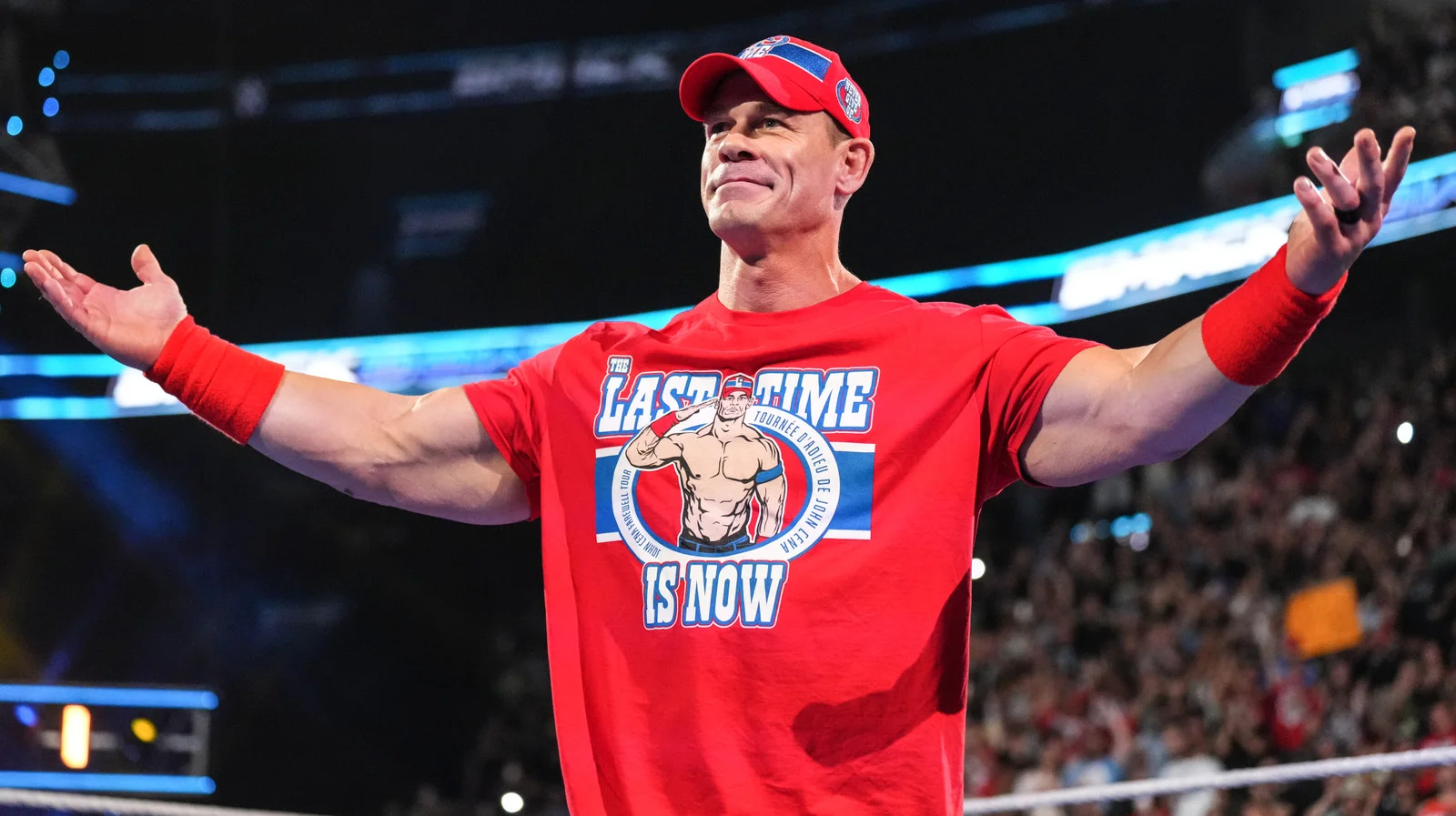
Paul Heyman has shed light on the brief nature of John Cena’s heel turn in WWE, which began at the Elimination Chamber event in March but ended swiftly before SummerSlam. Cena’s character transformation saw him turn heel for the first time after the WWE Premium Live event on March 1, where the then-Undisputed WWE Champion Cody Rhodes declined The Rock’s challenge to own his soul.
Following this event, Cena won the men’s Elimination Chamber match and attacked Rhodes, marking his initial foray into villainy. This led to Cena capturing the Undisputed WWE Championship at WrestleMania 41.
How Cena’s Heel Run Unfolded and Reversed
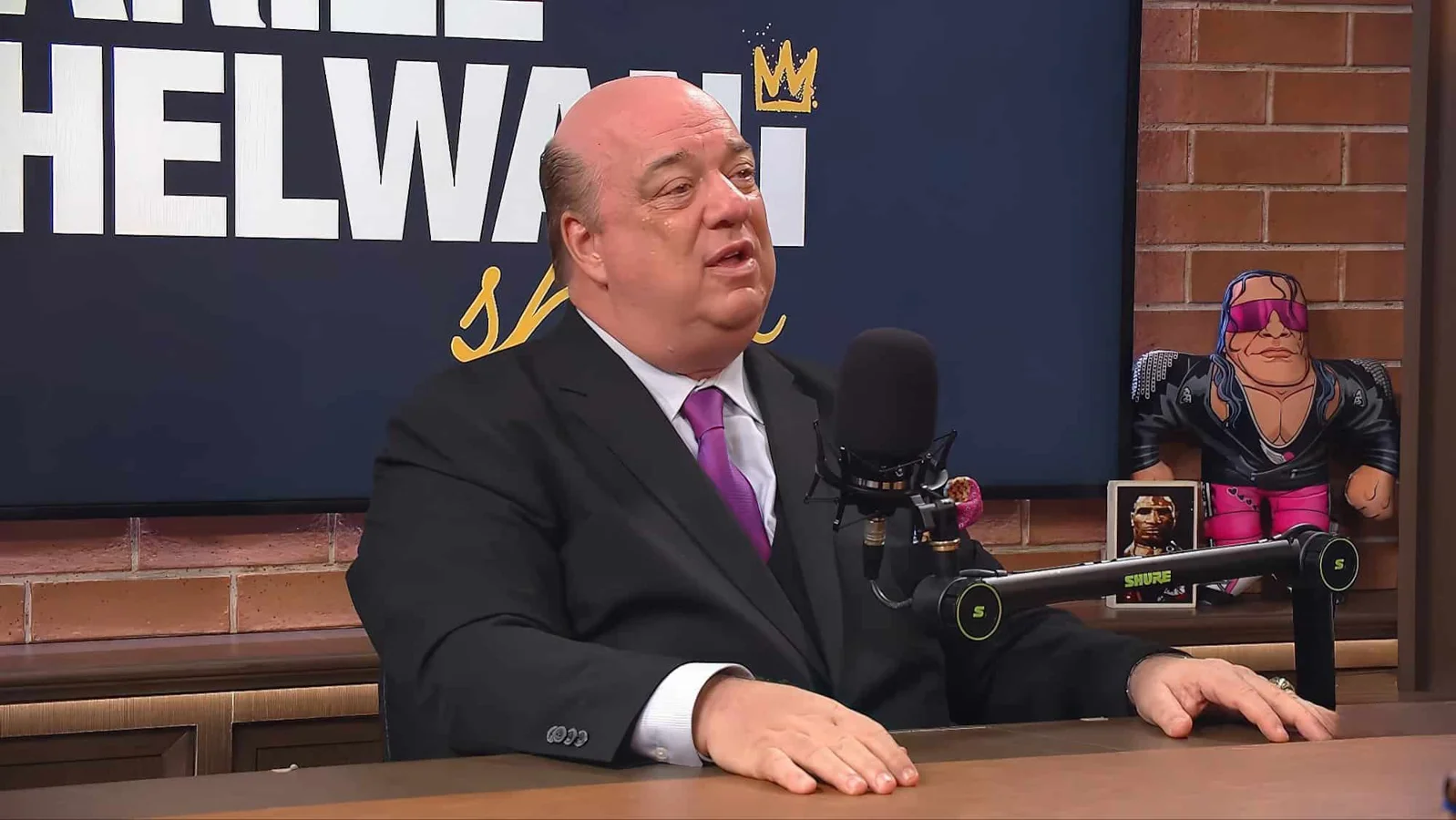
At SummerSlam, Cena faced Rhodes again, but this time Rhodes reclaimed the Undisputed WWE Championship. Interestingly, Cena had reverted to a face character before this August event, reversing the heel direction that had been showcased since March. During an interview on the Ariel Helwani Show, Paul Heyman discussed the creative choice behind this reversal.
Heyman noted,
“I think John Cena abandoned the heel Cena character the Friday night before SummerSlam.”
He described the audience’s reaction during Cena’s return in that city, revealing the complex dynamic between the performer and fans.
He said,
(But when he got in the ring) Boo him out of the building as a heel. And the moment they saw the red light go off and knew the show was over, and he’s standing there in the ring, they all gave him a standing ovation because it’s his last time as an in-ring performer in that city. And they’re all chanting, ‘Thank you, Cena.’ So the audience knew their role. And that’s fascinating to watch.
—Paul Heyman
Heyman’s Insights on Cena’s Heel Character and Risks
Despite the short-lived heel turn, Heyman emphasized that the decision to take Cena in this direction was not a mistake. He reflected on the excitement and curiosity surrounding what this change signified for Cena’s career.
“I’m glad he got to do it, too, because I hate ‘what ifs.’ What if John Cena had ever turned heel?”
Heyman said, emphasizing that Cena met the challenge head-on.
“I thought he took it as far as he could possibly take it. He even took it places I didn’t think he was going to. And he put his heart, his soul, and his passion into it. And it was a risk for him to do that.”
The heel John Cena persona involved a more verbally aggressive and ruthless character, which Heyman acknowledged carried risks beyond WWE’s world, especially given Cena’s significant influence and financial success in merchandise.
Heyman explained one major consideration:
Number two, hey, you never know who you’re going to p*ss off. So John Cena has much bigger deals in Hollywood than I do, and you don’t know what studio head you’re going to pi*s off.
—Paul Heyman
This highlights the balancing act Cena faced in maintaining his wrestling character while protecting his broader entertainment career. One of those Hollywood commitments includes an upcoming movie starring and produced by Cena alongside Kevin Hart, showing the breadth of his work beyond WWE.
The Broader Impact of Cena’s Brief Heel Turn
The fleeting heel persona in WWE demonstrated Cena’s versatility and willingness to push boundaries late in his wrestling career. His quick reversion to a fan-favorite face before SummerSlam showcased how audience expectations and the unique nature of professional wrestling performances can influence creative choices.
Heyman’s commentary reveals the complex interplay between the performer’s image, fan reactions, and business considerations. Cena’s experience offers a glimpse into WWE’s narrative flexibility and highlights the challenges of evolving a well-established character within a global entertainment brand.
As Cena continues his transition toward Hollywood and other ventures, fans and industry insiders alike will be watching how his WWE legacy evolves alongside his successes outside the squared circle.

