
Paul Heyman has recently reflected on his changing perspective regarding WWE Unreal, the Netflix series that exposes the inner workings of WWE’s creative process. The show’s debut first season drew attention with wrestlers, both veterans and newcomers, weighing in on its portrayal of the wrestling world.
Though Heyman initially expressed reservation about the series, he discussed in a recent interview how the current environment of wrestling requires transparency, marking a stark contrast to the secretive nature of the industry during his early career.
Wrestling’s Shift from Secrecy to Openness
During his conversation on The Ariel Helwani Show, Heyman explained how the wrestling business of the past demanded staunch defense of its staged nature, often in a very physical way. Beginning in an era when wrestlers faced hostility for acknowledging wrestling as scripted entertainment, Heyman recalled:
“It’s a reality of the industry today that I have to accept. I grew up in this business at a time when if you’re in a bar and someone walks up to you and says, ‘You’re in that fake wrestling business –’ notice the Southern accent when I say it? No offense to all the people from the South but, if you don’t swing, if you don’t defend the business, and someone else sees it or finds out about it, you’re catching an ass-kicking and you’re getting shipped out of the territory. That’s the way it was back then.” —Paul Heyman
Heyman illustrated how wrestlers were taught to vigorously protect the illusion of wrestling’s reality, often resulting in alleged bar fights, describing that this was a defining aspect of the culture he grew up in. This level of secrecy and protective hostility shaped much of the wrestling business’s identity.
Adjusting to a New Era of Transparency in Wrestling
Heyman admitted that wrestling’s modern openness, demonstrated vividly through WWE Unreal’s revealing content, is a difficult adjustment for him. The show uncovers the behind-the-scenes elements, such as the scripting process and production mechanics, essentially pulling back the curtain on how the “magic” is created.
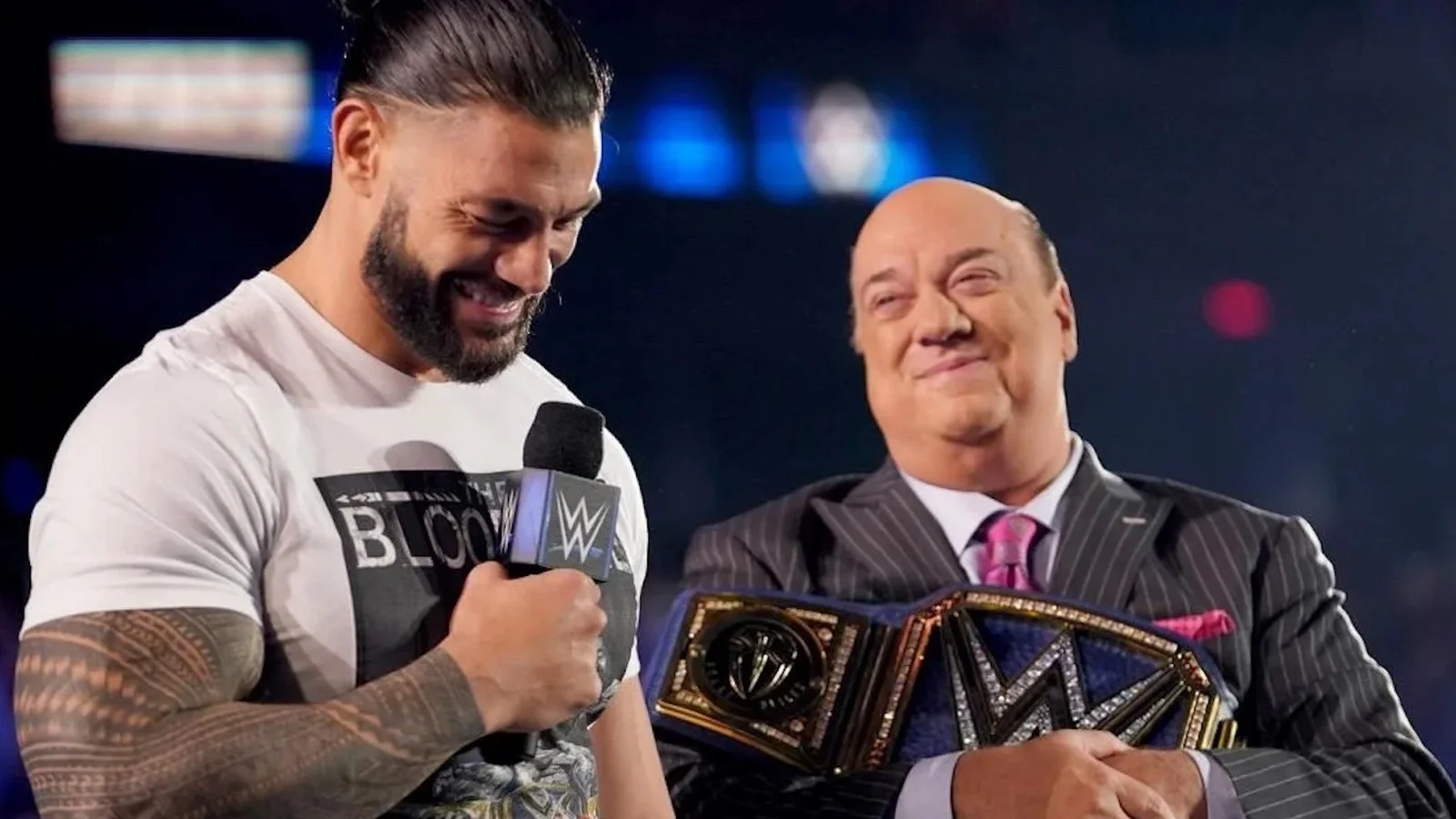
“So, to now be in a situation where it’s so open to where it’s not just this is how the magic is done but we’re gonna show you the wires and we’re gonna show you the crew that inserts the wires and we’re gonna show you the writing team meeting in which we discuss the wires to do the magic trick, whew, that’s an adjustment for me, and it’s an adjustment that I have to make and accept, because if I take the tactic of, wow, I’m not used to this. I’m not used to being so open and transparent about the inner workings and the secrecy.” —Paul Heyman
This candid acknowledgment of the industry’s dramatic shift signals Heyman’s willingness to embrace new norms, despite the discomfort it causes him personally, reflecting a broader move away from the “kayfabe” tradition.
Comparing Wrestling to Other Transparent Industries
Heyman drew parallels between wrestling’s evolving transparency and the cultural shifts happening in other secretive fields. Using vivid examples from organized crime figures who openly recount their stories on podcasts, he highlighted how once-clandestine worlds have become more exposed in the digital age.
He connected this shift to WWE’s strategic partnership with ESPN and the company’s efforts to become more accessible to mainstream audiences, saying:
“For so long, it was a secret society. It was a closed business. But then again, today, Sammy Gravano does a podcast, Michael Franzese does a podcast, John Alite does a podcast. All these gangsters sitting there going, ‘Yeah, so we clipped Mario and Rocko came in the room and we had to clip him.’ ‘I liked Rocko.’ ‘Yeah, I liked Rocko too. Too bad we had to kill him.’ ‘Yeah, and he was my brother-in-law.’ So, all these gangsters are revealing what it is so, it’s a far more open and transparent society, or at least we think it is, and I have to accept Unreal as part of the platform by which WWE is Disney-fied and picks up a streaming deal on ESPN.” —Paul Heyman
He described this as part of WWE’s broader transformation into a publicly palatable entertainment brand, which includes leveraging streaming services and forming partnerships with major broadcasters like ESPN.
Embracing the Transition Despite Personal Reservations
Although Heyman remains uneasy about the constant presence of cameras and the loss of secrecy, he recognizes that the direction of the industry has permanently changed. He expressed a determination to be involved in shaping wrestling’s future as it becomes more transparent to fans worldwide.
“The way I look at it is this: I’m always going to be like this (jumpscare) when I see a camera behind the scenes because I’m still not used to it, and I’m gonna have to get used to it, because the train is leaving the station and I wanna be part of — if not the conductor, I wanna be one of the conductors or one of the top advisors to the conductors as to where that train is going.” —Paul Heyman
His resolve highlights the tension many industry veterans feel, caught between tradition and progress in a rapidly evolving wrestling landscape.
Audience Reception and Future Prospects of WWE Unreal
Netflix has revealed that the first season of WWE Unreal attracted 2.3 million viewers and accumulated 10.7 million total hours watched. The series director, Chris Weaver, has expressed optimism that Netflix will approve additional seasons, indicating that WWE Unreal could continue shaping the conversation about wrestling’s behind-the-scenes realities.
As WWE embraces this candid style of storytelling, Paul Heyman’s evolving opinion embodies the conflicted but necessary acceptance within the wrestling community, acknowledging that the era of hidden truths is ending and that transparency is becoming the new norm.

