Professional wrestling star Randy Orton spoke candidly about his dislike for the current state of kayfabe, saying he hates that the traditional illusion has died in modern wrestling. On February 26, 2026, during an appearance on The Pat McAfee Show, Orton expressed his conflicted feelings around the shift away from protecting storylines and character personas, acknowledging the industry’s evolution but making clear his displeasure.
The Shift from Classic Wrestling Illusions to Transparent Entertainment
Orton reflected on the old days when wrestlers kept their roles separate even in public, maintaining the storylines beyond the ring to preserve the entertainment’s believability. He explained how difficult it was back then, saying,
“It’s hard. It depends on the time of day you ask me.”
He remembered a time when good guys and bad guys wouldn’t be seen together in public, even if they were friends, stating,
“At first, you think, ‘Oh, this is terrible,’ because there was a time when if you were working with a guy — I’m the bad guy and he’s the good guy — we might be bros, but we wouldn’t ride together, even if we wanted to. We wouldn’t be seen in public together, especially not in the town we were wrestling in.”
Today, Orton says that clear division between characters no longer exists, which he finds disappointing. He bluntly declared,
“Nowadays, it’s not like that at all. Kayfabe is dead. It’s entertainment. We’re all superstars. I understand it — and I also kind of hate it. But I think it’s necessary.”
Despite his frustration, he acknowledged the modern transparency is an unavoidable part of the wrestling business now.
Balancing the Exposure of Wrestling’s Realities With Audience Growth
While WWE Hall of Famer D-Von Dudley criticized shows like WWE Unreal for breaking kayfabe and revealing the industry’s inner workings, Orton took a more balanced view. He recognized that exposing behind-the-scenes content can actually help attract new fans and enhance respect for what performers endure. Orton pointed out,
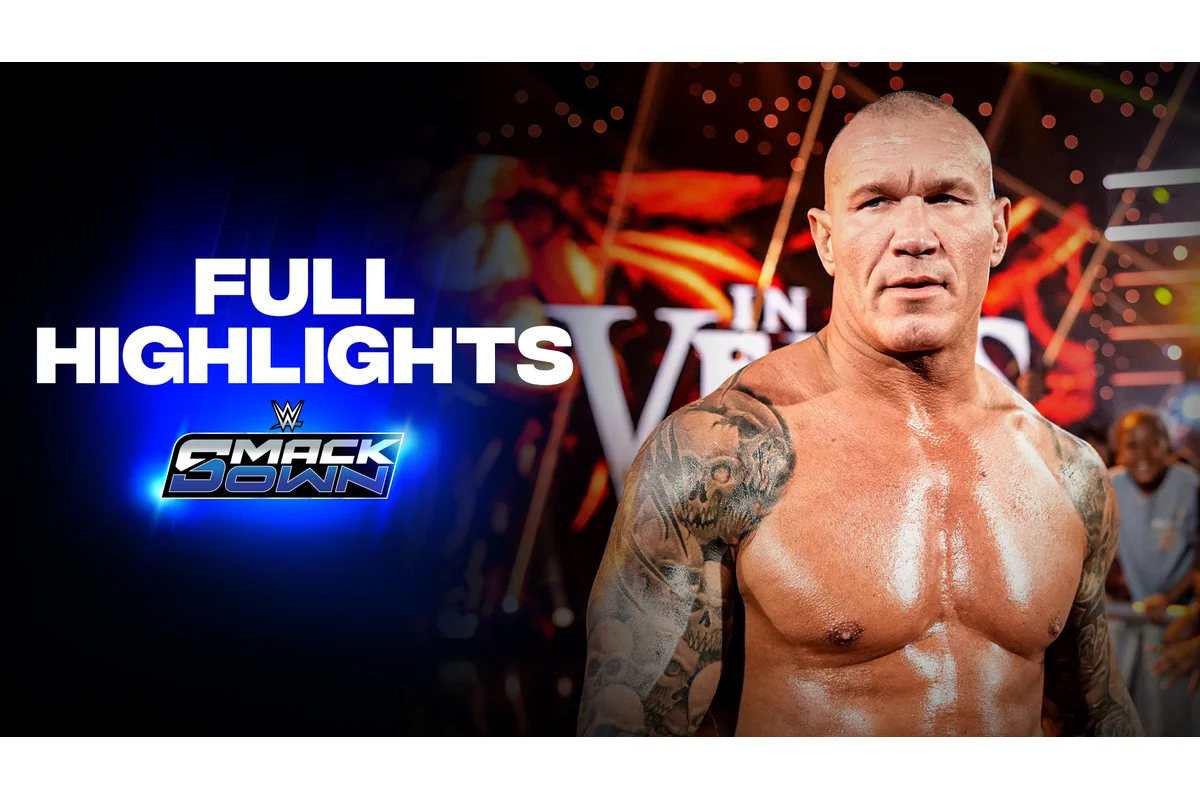
Image of: Randy Orton
“Bringing in that crossover — like you said, your daughter gets to see it and understand it. People who aren’t fans might become fans and have more respect for what we do. If you don’t know what goes into it and then you watch WWE Unreal and realize, ‘Oh my God — live TV almost every day of the week?’ It’s insane when you think about the amount of content that’s put out.”
Despite understanding the benefits, Orton admitted feeling uncomfortable with the current openness. He recalled,
“So I think it makes sense that it’s a thing. But that doesn’t mean I have to like it. I watched a few episodes and saw myself in the background doing stuff, and I was like… ehhhh.”
This discomfort highlights his ongoing struggle with the death of kayfabe while recognizing industry changes.
Implications for Wrestling’s Future With WWE Unreal Season 3
With the upcoming release of WWE Unreal Season 3 scheduled for Summer 2026, the wrestling world continues to debate the impact of ending kayfabe. The conflict between upholding old-school mystique and embracing modern transparency remains a core tension within the sport. Randy Orton’s acceptance of this new era is reluctant, revealing a deep sense of loss for the traditional wrestling narrative even as he acknowledges the realities of contemporary entertainment.
This shift affects how audiences engage with wrestling characters and storylines, potentially changing fan perception and the industry’s approach to storytelling. As the wrestling business evolves, the balance between preserving mystique and offering behind-the-scenes insight will likely remain a key conversation among performers and fans alike.
Kevin Jewell is a journalist at CynicalTimes.org, covering the WWE SmackDown Men’s Division.
With two years of experience, he reports on headline matches, major rivalries, and superstar developments from WWE’s blue brand.
Kevin brings sharp analysis, accurate updates, and a deep passion for storytelling to his coverage.
His work highlights the key figures, championship pursuits, and weekly action that define the SmackDown men’s roster.
From rising talents to veteran icons, Kevin delivers content that keeps fans informed and engaged with every twist in the ring.