
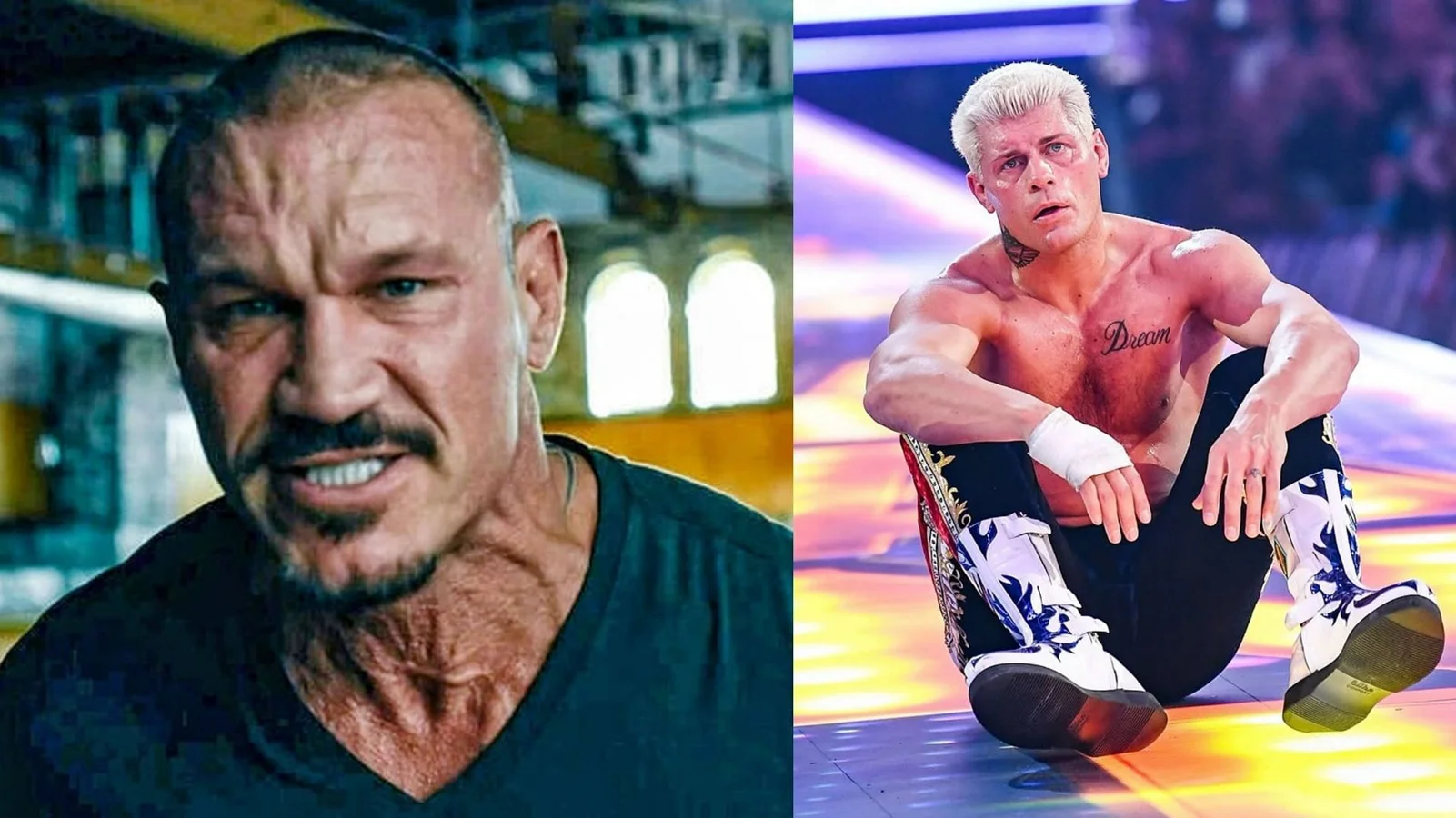
Manu, a member of the Randy Orton Legacy stable, was expected to rise as a significant figure due to his prestigious Anoa’i heritage, but his career never took off as anticipated. Despite being part of a faction filled with wrestling dynasties, Manu was unexpectedly removed from the group, leaving fans puzzled about the reasons for his sudden exit.
The Legacy, led by Randy Orton alongside stars like Cody Rhodes and Ted DiBiase Jr., originally included two lesser-remembered members: Sim Snuka and Manu. Both carried notable wrestling bloodlines, especially Manu, whose Samoan lineage is among the most respected in the industry. However, while other members gained prominence, Manu’s journey in WWE was cut short and largely forgotten.
Manu’s Explanation of His Removal and Planned Repackaging
The Anoa’i family has an undeniable legacy in professional wrestling, making Manu’s initial inclusion in The Legacy faction a fitting move by WWE. This group showcased second- and third-generation wrestlers, and Manu’s Samoan roots were crucial to balancing the powerful family-based narrative.
Still, shortly after gaining some momentum within the Legacy, Manu and Sim Snuka were removed from the faction. Manu later shared in a WrestlingNews interview that this was part of a larger plan. Both he and Snuka were meant to be rebranded as a tag team and return to WWE as heroic characters, positioned to challenge Ted DiBiase Jr. and Cody Rhodes. Unfortunately, this storyline never reached fruition.
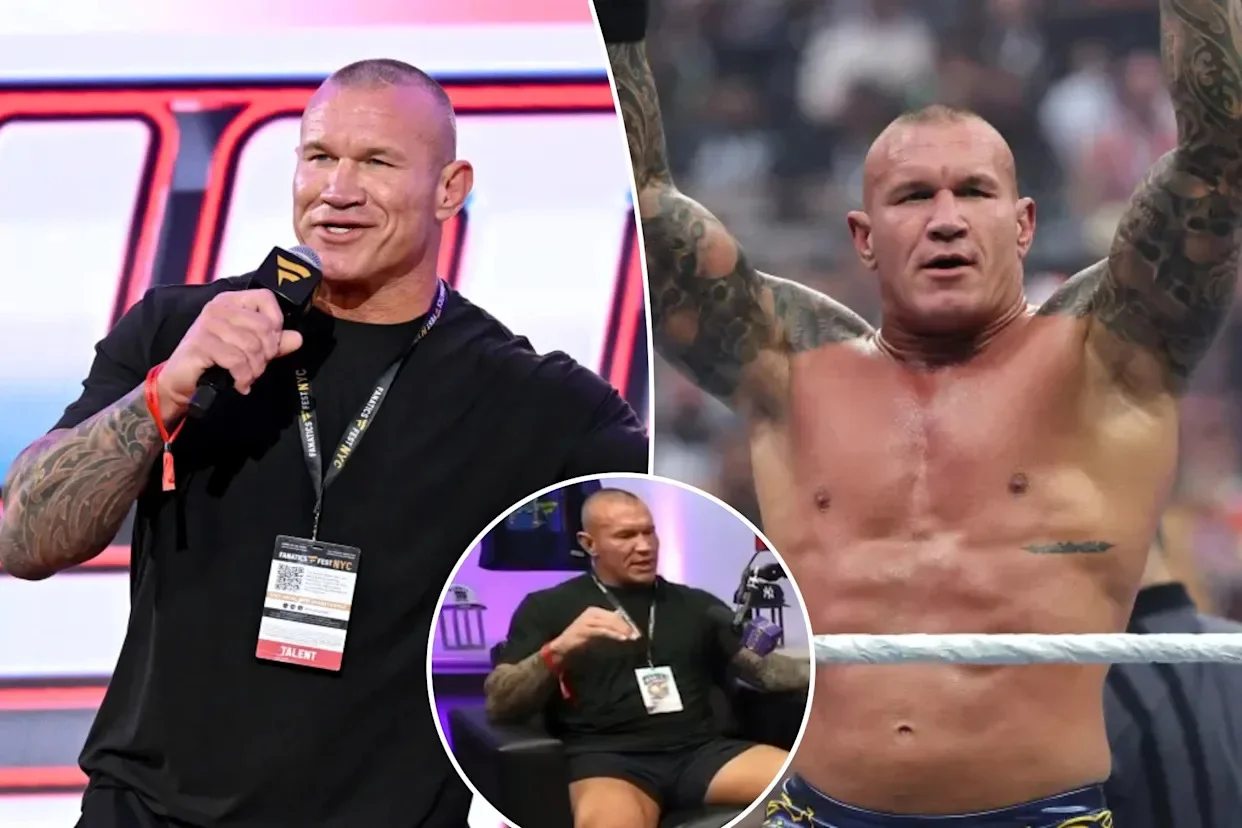
“At that time when I got kicked out of the group, it was me and snuka that got kicked out and the initial idea was, we were supposed o get repackaged as a team and we were supposed to come back as baby faces to work Ted and Cody. It just never happened.” —Manu
Manu was initially planned to make a comeback as a babyface who would confront Randy Orton, hinting at a potential rivalry or redemption arc. However, the intended reprisal simply faded away, and Manu quietly exited WWE’s spotlight. His disappearance was abrupt, culminating in his official release from the company in 2009, which shocked many given his heritage and early promise.
Understanding Why Manu’s WWE Career Was Cut Short
Manu possessed many attributes that suggested a successful wrestling career: genetic legacy, size, and charisma. Yet, unlike Randy Orton and other Legacy members, he failed to receive the spotlight or momentum necessary for long-term success. WWE’s hesitation to promote him effectively puzzled fans and insiders alike.
In the same interview, Manu revealed the real reason behind his release. According to him, WWE felt that he lacked the right level of aggression required for his character, despite his own perception of being highly intense in the ring. This contradiction led to creative frustrations that hampered his progression.
“I was told I was’nt aggressive enough. total kicking in the nuts to me because I was insane at the time but they had to tone me down. It was a hard balance to figure out what they truely wanted and what I am supposed to give them.” —Manu
Manu’s raw energy was initially a defining feature, but WWE’s creative direction smothered this fire, forcing him to tone down his intensity. This suppression removed the very edge that could have helped him stand out in a highly competitive environment. Without the proper push or understanding from the company, Manu’s raw talent and strong wrestling lineage went largely unrecognized.
The Impact of WWE’s Decision on Manu’s Wrestling Legacy
Manu’s release is a glaring example of how even wrestlers with legendary backgrounds and early promise can be overlooked due to creative mismanagement. His story highlights the difficulties that second- and third-generation performers face when the company fails to clearly define or trust their potential.
While members of The Legacy like Randy Orton and Cody Rhodes reached stardom, Manu’s departure raised questions about WWE’s approach to utilizing talent with historical significance. Despite his undeniable roots in the wrestling world, Manu’s career stalled abruptly, leaving fans to wonder what heights he might have achieved with better creative guidance and commitment.
This case serves as a reminder of the fragile nature of professional wrestling careers, especially when internal decisions overshadow talent and heritage. Whether Manu might return in some capacity remains uncertain, but his experience underscores the challenges faced by wrestlers trying to break through in WWE’s complex storytelling environment.
Our Reader’s Queries
Q. Has John Cena ever beaten Randy Orton?
A. The two have faced each other 21 times, with nine as title matches. Cena has a record of 13 wins, 7 losses, and 1 draw against Orton. When they competed for the championship, Orton led with 5 wins to Cena’s 4.

