
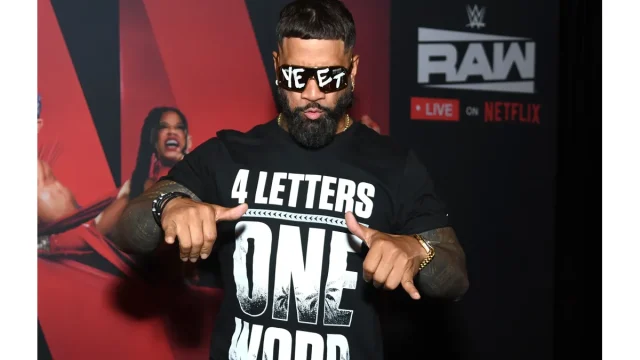
Ricky Saints recently shared his perspective on the tribalism present in professional wrestling, describing it as “cool to a certain degree.” Speaking on the Battleground podcast, Saints explored the intensity of fan loyalty across different wrestling promotions and how it plays out both online and at live events. He emphasized that tribalism, fueled by social media, can feel overwhelming but also has a positive side that reflects passion among fans.
In the wrestling world, tribalism often emerges on social media platforms where fans express strong allegiances to companies or talent, sometimes creating tensions whenever a wrestler starts with a new organization. Saints acknowledged this dynamic while highlighting the unifying experience at live events where fans from varied backgrounds come together.
How Tribalism Manifests Among Fans and in Live Settings
Saints observed that the tribal divisions often feel more sensitive online because social media saturates the wrestling community with constant opinions and rivalries. However, he explained that this tension does not always translate to the live audience atmosphere. Using events in Nashville as an example, Saints noted how fans from different affiliations coexist peacefully and even support him regardless of the promotion they originally followed.
You’ll have that in every aspect. I think it’s a little bit more sensitive and touchy just for the fact that we’re all on social media. So it’s a little bit more saturated. But then when you actually go out into the crowds and you go to these live events like in Nashville, no one cared. You know what I’m saying? There were people who were fans of me from AEW, people who were fans of me from NWA, people who are fans of me now. They all mesh. They all share a commonality. I do think that it is kind of cool to a certain degree that people have such an ownership and stake in a specific company or a specific wrestler. I do find that I like the fondness of that because if you ain’t got passion for your team, then what are you doing?
— Ricky Saints, Professional Wrestler
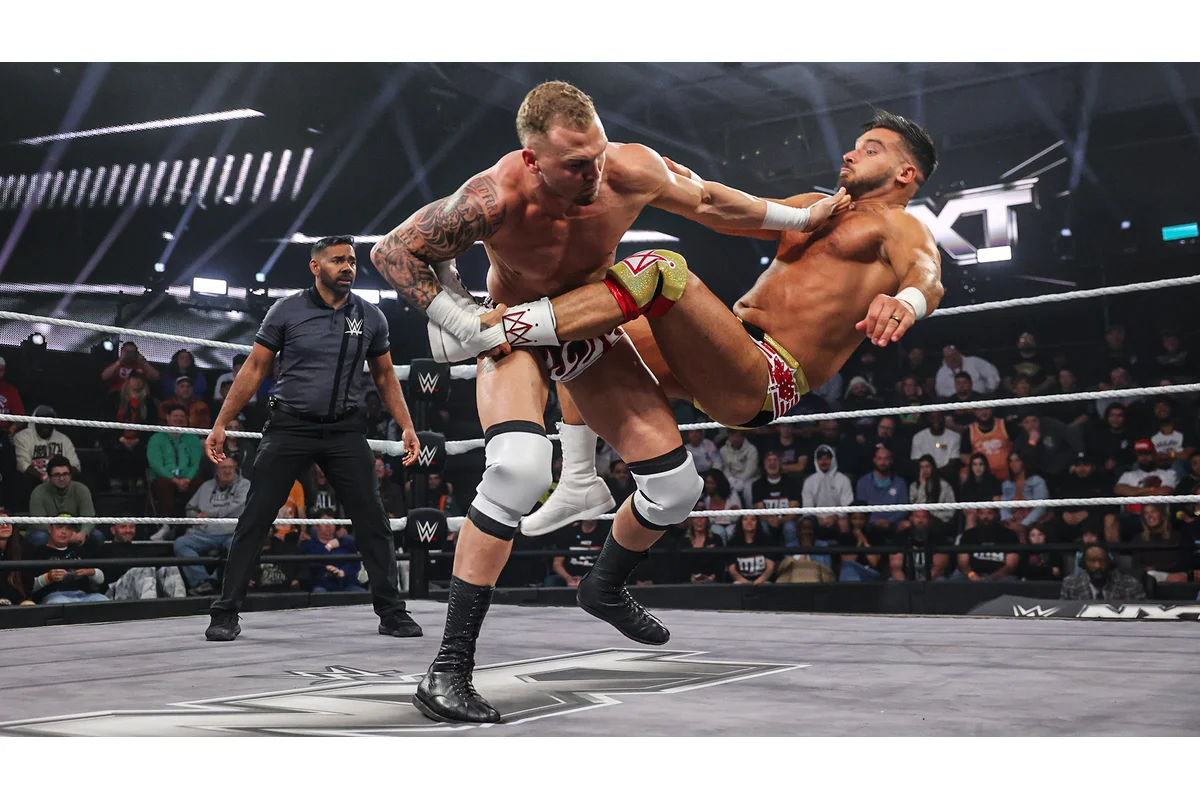
The Role of Passion and Loyalty in Wrestling Fandom
Saints values the enthusiasm and loyalty fans demonstrate toward wrestling companies or individual performers, seeing it as an essential part of the wrestling culture. He suggests that this sense of “ownership” over a favorite wrestler or brand reflects genuine emotional investment, which can enrich the fan experience and the atmosphere at shows. According to Saints, having passion for “your team” or favorite wrestlers is what drives the communal energy in wrestling.
Contextual Developments and the Broader Wrestling Landscape
Besides discussing tribalism, Ricky Saints has recently made headlines for his acting debut in the series “Wild Cards,” marking a new chapter in his career beyond wrestling. Meanwhile, the wrestling world continues to experience rapid shifts, including new talent entering WWE NXT and challenges faced by promotions like NJPW in securing venues in the United States, as Rocky Romero has candidly addressed.
Fans also await the upcoming Lodestone Camp, encouraged by wrestler Gabby Forza to apply, highlighting ongoing efforts to nurture new wrestling talent. These developments emphasize the evolving nature of wrestling culture and its passionate community amid both competition and collaboration.
What Tribalism Means for Wrestling’s Future
Ricky Saints’ reflections on tribalism reveal the complicated balance between division and unity within wrestling fandom. While social media can amplify rivalries and sensitive reactions, the live wrestling scene shows an ability to bring diverse fans together through shared enthusiasm. Understanding this dynamic is crucial for wrestlers, promoters, and fans as they navigate wrestling’s growth and changing landscape.
As the industry expands and wrestlers cross promotional lines, the passion and loyalty of fans remain core to its appeal, even when wrestling tribalism stirs conflict. Saints’ perspective underscores that such tribalism, tempered properly, can contribute positively to the vibrant culture of professional wrestling.

