
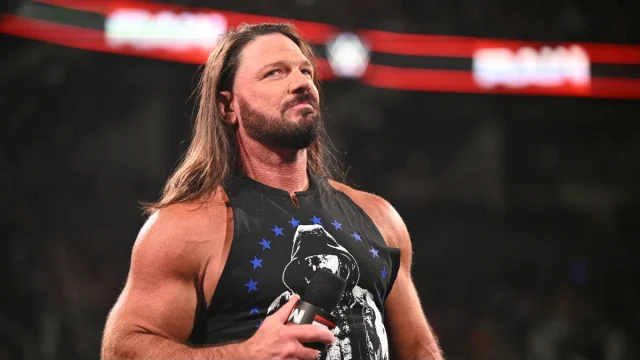
Ridge Holland, also known as Luke Menzies, revealed significant progress in his physical recovery while expressing uncertainty about his wrestling future following critical surgeries. Speaking on The Mike Rand Show on February 28, 2026, Holland discussed his current health status after being cleared for unrestricted physical activity, shedding light on whether he envisions returning to the ring amid ongoing reflections on his career.
Holland emphasized improvements in his condition compared to previous months, signaling cautious optimism as he details the demanding recovery he has faced.
“Yeah, I’m feeling really good — honestly, tons better than I was,”
he stated, illustrating a sense of reassurance about his health.
Timeline and Challenges of Recent Surgeries
Holland recounted the series of medical procedures that have shaped his recent months, highlighting the intensity and difficulty of the rehabilitation process. The former WWE Superstar underwent foot surgery in early October, followed by a double cervical disc replacement in early November, and then had the hardware removed from his foot just days before the interview. He hopes this marks the end of his surgical interventions for the foreseeable future.
“I had foot surgery in early October, then a double cervical disc replacement in early November. And just this past Friday, I had the hardware taken out of my foot. So, fingers crossed that’s the last time I’m getting cut for a while. I’m kind of over surgeries at this point.” – Ridge Holland, WWE Superstar
Reflecting on his bodily toll, Holland even injected a touch of humor while acknowledging the physical sacrifices involved in his recovery.
“I feel like I’ve donated my body to medical science recently. But overall, I’m feeling good, man. I’m optimistic about the future.” – Ridge Holland, WWE Superstar
Contemplating Retirement and the Drive to Return
The conversation shifted to Holland’s mindset regarding retirement. Initially, the idea of stepping away from wrestling felt compelling due to the severity of his injuries. He openly admitted that withdrawing from the ring seemed like the only viable choice at first as he needed time to recover mentally and physically.
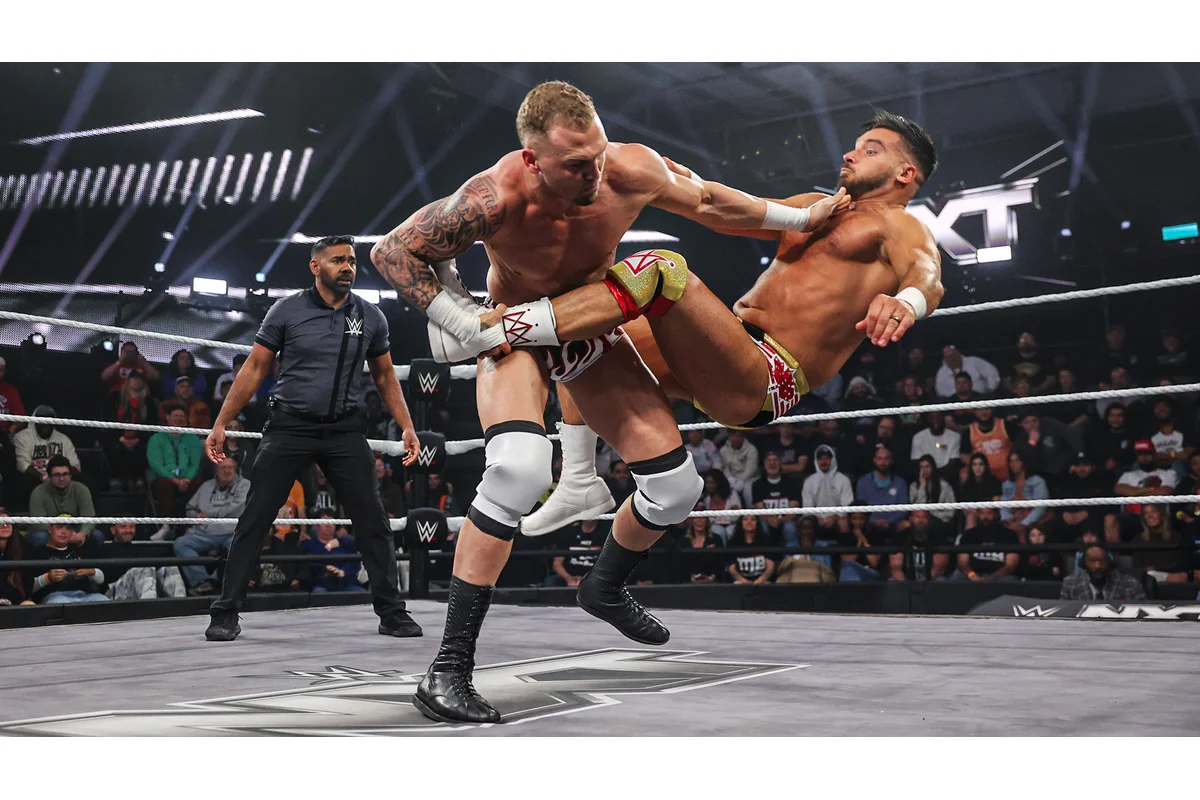
“Initially, when I got hurt, I was like, ‘I’m done,’ just because of everything that happened. I felt like I needed to step away and recalibrate.” – Ridge Holland, WWE Superstar
Despite this initial hesitation, Holland’s perspective has softened with distance and healing. He revealed that part of his desire to potentially return stems from not having fully realized his potential in prior appearances. Holland described a lingering sense of unfinished business, which fuels his conflicted feelings about making a definitive decision.
“But I never really got the chance to go out there and truly enjoy it and feel like myself — to really show who I am. After prior experiences, I was always a little bit hesitant, a little bit not fully me. I don’t think I ever really achieved what I was capable of showing. So there is a big part of me that wants to go out there again — not for anyone else, not for outside validation, but just to do it for me. Whether that comes to fruition, I don’t know yet. But there’s definitely an itch there I still feel like I need to scratch. I’m just not ready to make a concrete decision yet.” – Ridge Holland, WWE Superstar
Current Outlook and Uncertain Prospects
At present, Ridge Holland remains in good health and maintains an optimistic yet realistic outlook on what lies ahead. He refrains from committing to any specific path, leaving open the possibility of a comeback while acknowledging that he needs more time to decide.
His cautious position reflects a deep, personal conflict between embracing his passion for wrestling and prioritizing long-term wellbeing. Fans are left to consider whether a return to the ring would serve Holland’s legacy or whether stepping away on his own terms would be wiser.
Significance and Future Considerations in Ridge Holland’s Career
Holland’s willingness to share his journey highlights the intense struggles professional wrestlers face when navigating serious injuries and career uncertainties. His story emphasizes the physical and mental demands of the sport, particularly for athletes confronting multiple surgeries and the pressures of high-profile performance.
As Holland evaluates his path forward, his reflections may resonate with others in similar positions, illustrating the complex balance between personal ambition and health. Whether he ultimately resumes wrestling or chooses to retire, his candidness offers valuable insight into the realities behind the scenes of the WWE and professional wrestling at large.

