
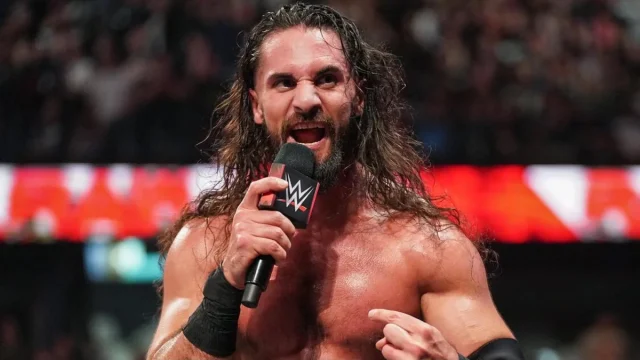
During a recent appearance on Shannon Sharpe’s Club Shay Shay podcast, Seth Rollins reflected on the initial debut of The Shield at WWE’s Survivor Series in 2012. He disclosed that the original concept for the group included the use of physical shields and riot gear, along with batons to accentuate their aggressive ambush style inside the ring. These unusual props were being tested during rehearsals in Indianapolis, Indiana.
Rollins described how, while rehearsing their attack through the crowd, Vince McMahon himself intervened after seeing the trio carry batons and plexiglass shields. McMahon rejected the idea that the faction needed weapons to intimidate their opponents, pushing the group to discard the gear immediately and emphasize a more forceful, hand-to-hand combat approach instead.
Vince McMahon’s Reaction Led to a Major Change in Presentation
The Architect detailed Vince McMahon’s direct commentary during the rehearsals, highlighting his disapproval of the batons as a sign of weakness rather than toughness. McMahon’s blunt question, delivered in his iconic deep voice within the empty arena, challenged the trio’s reliance on props:
“What you need clubs to beat him up? Are you really that tough?”
This instant feedback led Rollins and the others to drop the batons on the spot and rework their performance style.
“When we first got called up (to the main roster) the debut, it’s Survivor Series. It’s 2012 and we’re in these stupid turtlenecks and these cargo pants, and we are called the shield. And they literally tried to give us riot gear, like shield riot gear, like these giant plexiglass shields that said shield on them. And these clubs, like batons, you know that you please ride people right, right, at least beat people with, you know, and like, we got rid of the plexiglass pretty quickly, but we’re rehearsing during the day, and we have these clubs. And like, I remember, we’re in, like, the we’re running through the crowd because we’re like, you know, ambushing the show. We’re not making an entrance. We’re running through the crowd. We’re out in the back Indianapolis, Indiana, and we’re in the back, and like, Vince is on the ring, by the ring, and he’s, like, running the rehearsals at the time, and he sees us with these clubs, because the camera is there and he’s watching the monitor, and he’s like, you could just hear his deep voice like echo through the empty arena. He’s like, what you need clubs to beat him up? Are you really that tough? We’re all just like, dump the club. All right, let’s go. So that was like my first introduction to Vince’s. Vinc-isms.”
— Seth Rollins, WWE Superstar
The Shield’s Evolution into a Legacy-Defining WWE Faction
Following this pivotal moment, The Shield moved forward as a dominant trio without relying on physical weapons, focusing instead on their agility, teamwork, and in-ring aggression. The group rapidly became one of the most influential factions in WWE’s modern era. Their impact was further marked when Seth Rollins dramatically betrayed Roman Reigns and Dean Ambrose in 2014, solidifying his role as The Architect of his own legacy within WWE storylines.
This insight into The Shield’s initial creative direction illuminates not only WWE’s evolving presentation style but also the high standards Vince McMahon set for the company’s talent. The shift away from props towards authentic physicality helped cement The Shield’s gritty and credible image, influencing WWE’s faction-based storytelling going forward. Fans and observers alike can appreciate how this early decision shaped the faction’s success and lasting influence in professional wrestling.
For those interested, the full discussion with Seth Rollins is available on the Club Shay Shay podcast and its YouTube channel. Quotes from this interview have been credited to Club Shay Shay with a h/t to WrestlingNews.co for transcription.

