
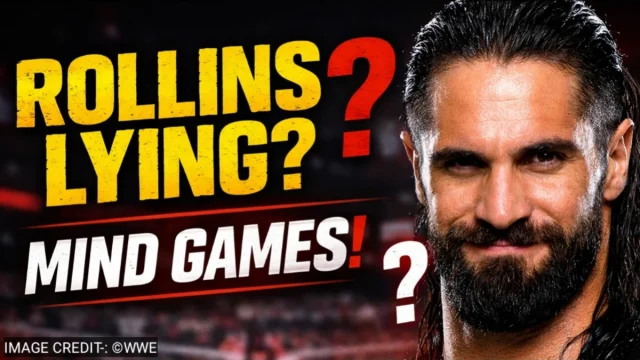
Seth Rollins, a prominent WWE wrestler, recently shared insights on the difficulties of portraying a heel character in the current wrestling environment. During an interview on Games With Names, Rollins explained that the modern audience’s increased awareness of behind-the-scenes wrestling dynamics, fueled by social media and documentary series like WWE Unreal, has transformed how villains are perceived in the sport.
Fans’ Awareness Makes Playing a Heel More Complex
Rollins pointed out that fans today are very intelligent and knowledgeable about wrestling as entertainment. They understand that wrestlers are performing characters, which complicates the process of promoting dislike toward heels. He noted,
“Our audience nowadays is so intelligent that they know you’re playing a character, and if you do that too well, then they start to like you,”
Rollins said.
“So you stop losing the ability to … [be a] heel. … Because we let everybody in on the secret, now they’re just playing along with the heel.”
This insight illustrates how breaking the illusion affects wrestlers who aim to maintain their villainous personas.
Changes in Wrestlers’ Approach to Darker Roles
Rollins also observed that contemporary wrestlers seem less inclined to embrace the darker or more antagonistic aspects of their characters compared to performers from previous generations. He emphasized that the primary objective for a heel remains to provoke anger among the crowd, yet achieving this has become more challenging with time.
He added,
“The way that the culture is, the way the media is, the way that everybody understands what pro wrestling is makes it more difficult to be a successful heel long-term, so I think you have to understand that.”
Example from Recent Matches Shows Shift in Audience Perception
Reflecting on his 2022 Hell in a Cell match against Cody Rhodes, Rollins noted that although he was a strong heel then, fan reactions shifted by the end of the year without any alterations to his character. This resulted in WWE transitioning him back to a babyface role. Such rapid changes in audience sentiment reflect the ever-evolving landscape for those playing villainous roles.
What This Means for Wrestling’s Future Characters
Rollins’ comments highlight the challenge performers face in maintaining long-term villain personas in an era where audiences are well-informed and socially connected. Wrestlers and organizations like WWE may need to adapt their storytelling strategies and character development to meet fans’ changing expectations. Understanding these dynamics is crucial for sustaining engagement and the dramatic tension essential to professional wrestling.

