
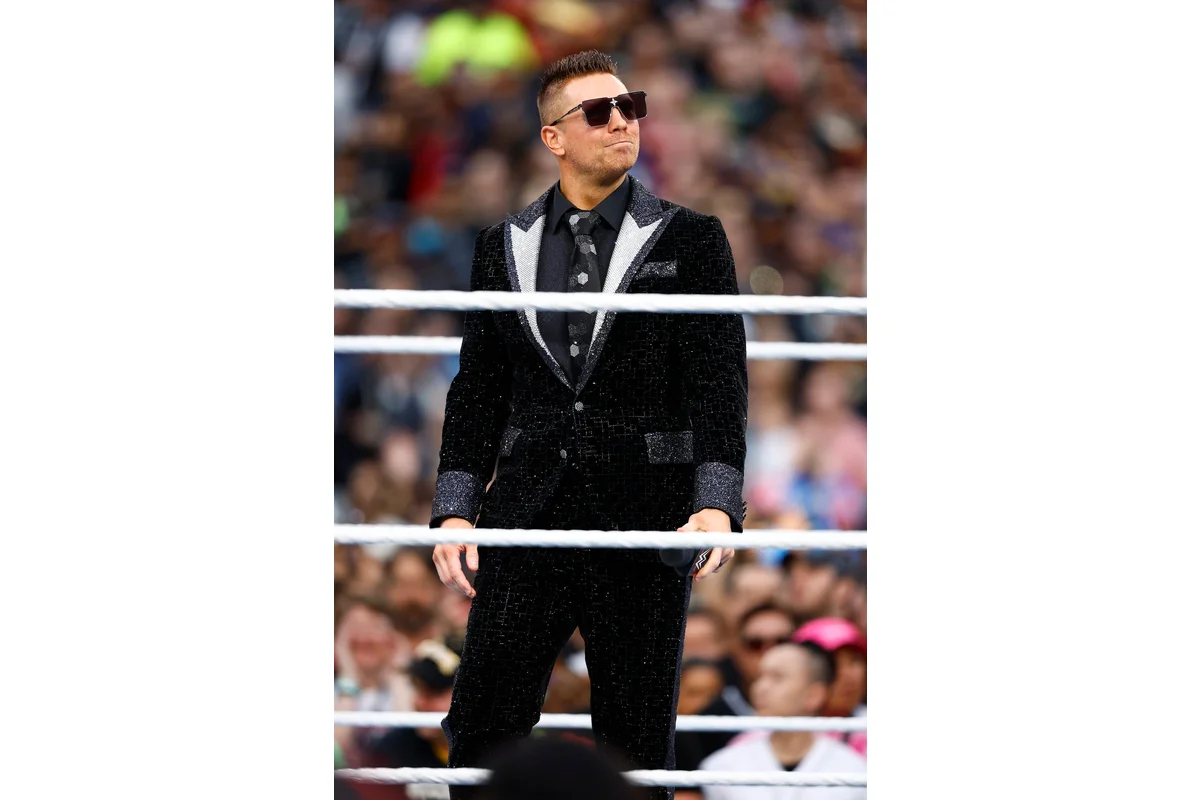
The Miz WWE character evolution has taken a surprising direction as, after twenty years in the company, he now receives a new kind of response from WWE crowds. No longer easily cast as an outright villain, The Miz finds his legacy of hard work and consistency reshaping how fans react to his persona in arenas across the world.
The Shift in Audience Response
For much of his career, The Miz thrived on his status as one of WWE’s most reliable heels, drawing boos with confidence and crafting matches around traditional villain tactics. Recently, however, he reflected in a conversation with Sports Illustrated that this dynamic is changing. Despite his character maintaining its heel position, the crowd’s reaction has softened—not due to a dramatic character shift but because of a growing recognition for his professionalism and durability. Fans have come to respect the reliable presence The Miz brings to WWE programming week after week, which has inadvertently dampened the negative reactions his character seeks.
This reversal in audience sentiment is largely attributed to a broader understanding among wrestling fans, who now notice the effort and performance more than the traditional hero-versus-villain script. As a result, the boos that used to fuel his persona are less pronounced, replaced by a sense of appreciation for his long-standing contribution to WWE. The Miz has noted that when supporters acknowledge his effort, the standard crowd manipulation techniques don’t carry the same impact as before.

Adjusting to a New Role in WWE
Confronted by these evolving reactions, The Miz has adapted his approach during live events and television appearances. Rather than stubbornly insisting on a villainous response, he observes the atmosphere in each arena and modifies his performance in real time. He now places greater emphasis on keeping the audience invested in the match itself, prioritizing their engagement over whether they cheer or boo. This flexible attitude reflects a shift away from forcing alignment and toward creating memorable, responsive in-ring moments.
Although this strategy blurs the once-clear lines between heroic and villainous characters, The Miz sees this as an asset. He has embraced the necessity to read the energy of the crowd, understanding that modern fans bring more nuance to their responses than in previous eras. By prioritizing the connection with the audience, The Miz’s WWE character evolution showcases the lessons of true veterans: performance is no longer just about classification, but about sustaining a compelling and authentic presence that fans want to respond to.
A Rare Position Among Wrestling Veterans
The Miz’s current role isn’t the result of a failed attempt to change his character, but rather a milestone few performers achieve. Just as seasoned WWE stars like Chris Jericho and Randy Orton experienced before him, he has reached a phase where the audience focuses less on his role and more on his consistent delivery. Instead of reacting solely to storyline dictates, crowds now see Miz’s reliability and longevity as his key traits, changing the nature of their engagement during his matches.
From WWE’s perspective, this development offers both opportunities and challenges. The company has leaned heavily into self-aware, or meta, storytelling, allowing Miz’s position to fit into a more flexible narrative style. Rather than simply framing matches as good versus evil, WWE can build stories around emotional themes such as pride, frustration, or respect. Miz’s ability to shift his energy depending on the crowd isn’t about letting ego lead, but about adapting to an environment where fans refuse to be told exactly how to respond.
The Importance of Authenticity and Adaptation
As fans become more knowledgeable and outspoken, the distinction between hero and villain can fade, especially for longtime veterans. For supporters, seeing a wrestler transition from being easy to boo, to being respected for their dedication, reveals a key truth about sports entertainment: lasting excellence can transform how a performer is seen. Rather than a shortcoming, this evolution is proof of adaptability, and why experienced WWE talents who listen and respond to live crowds often extend their careers successfully.
Where The Miz goes from here is a subject of interest, not just for fans of the performer himself, but also for those who watch the dynamics of wrestling crowds and storytelling strategies. As WWE continues to update its approach with audience feedback at the forefront, The Miz WWE character evolution is a prime illustration of how balancing respect for legacy, nostalgia, and narrative innovation is crucial in today’s landscape. The company will likely look at The Miz as an example of how to manage fan expectations and responses as newer and even more meta-aware crowds fill arenas worldwide.

