
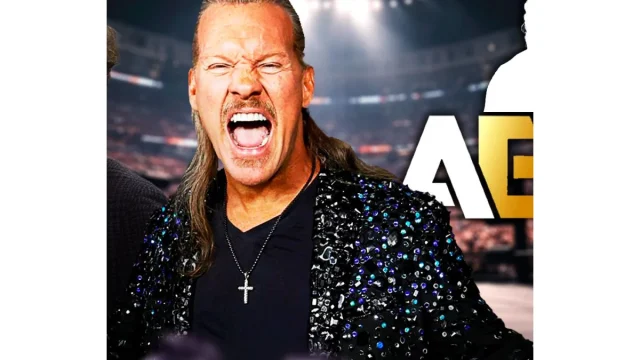
Chris Jericho’s exit from WWE in 2018 was the result of growing tensions and unmet expectations rather than a simple contract expiration. Over years of delivering prominent storylines, Jericho’s relationship with WWE evolved, leading to deeper frustrations behind the scenes that eventually prompted his decision to leave. The critical factor was how WWE managed some of his final major story arcs, especially around WrestleMania 33, which made him reassess his future with the company.
What the WrestleMania 33 lineup revealed about Jericho’s status
One of the defining moments in Jericho’s decision came when a feud he developed with Kevin Owens, initially expected to close WWE’s biggest event of the year, was unexpectedly slotted second on the card. This change from the anticipated main-event position was more than a scheduling decision—it sent a clear message about how WWE valued him. Jericho later said that losing this spot was when he realized the company’s view of him had shifted. Despite his long-standing contributions, he sensed that WWE no longer considered him a top-tier star, raising concerns about his role moving forward.
This demotion was less about pride and more about recognition for his effort and creativity. Over nearly two decades, Jericho had invested heavily in his character and storylines, and the downgrade revealed a disconnect between his ambitions and WWE’s plans. Following that event, he noticed a pattern of creative restrictions and diminishing prominence, which made him feel like his place was being narrowed from a headliner to more of a peripheral figure.
Stifled creativity pushing Jericho to explore other wrestling avenues
With creative options becoming limited in WWE, Jericho felt increasingly confined by the script directions and character constraints. Known for his continual reinvention and innovative ideas, the creative environment at WWE no longer nourished his ambitions. During this period, he began working with New Japan Pro Wrestling (NJPW), where his encounter with Kenny Omega reignited his enthusiasm. In NJPW, Jericho experienced a renewed sense of freedom and dynamic storytelling that reminded him why wrestling mattered deeply to him.
This fresh exposure underscored that he still had much to offer and shifted Jericho’s thoughts toward future opportunities that would allow greater creative control and engagement.
AEW’s offer presented a chance to shape something new
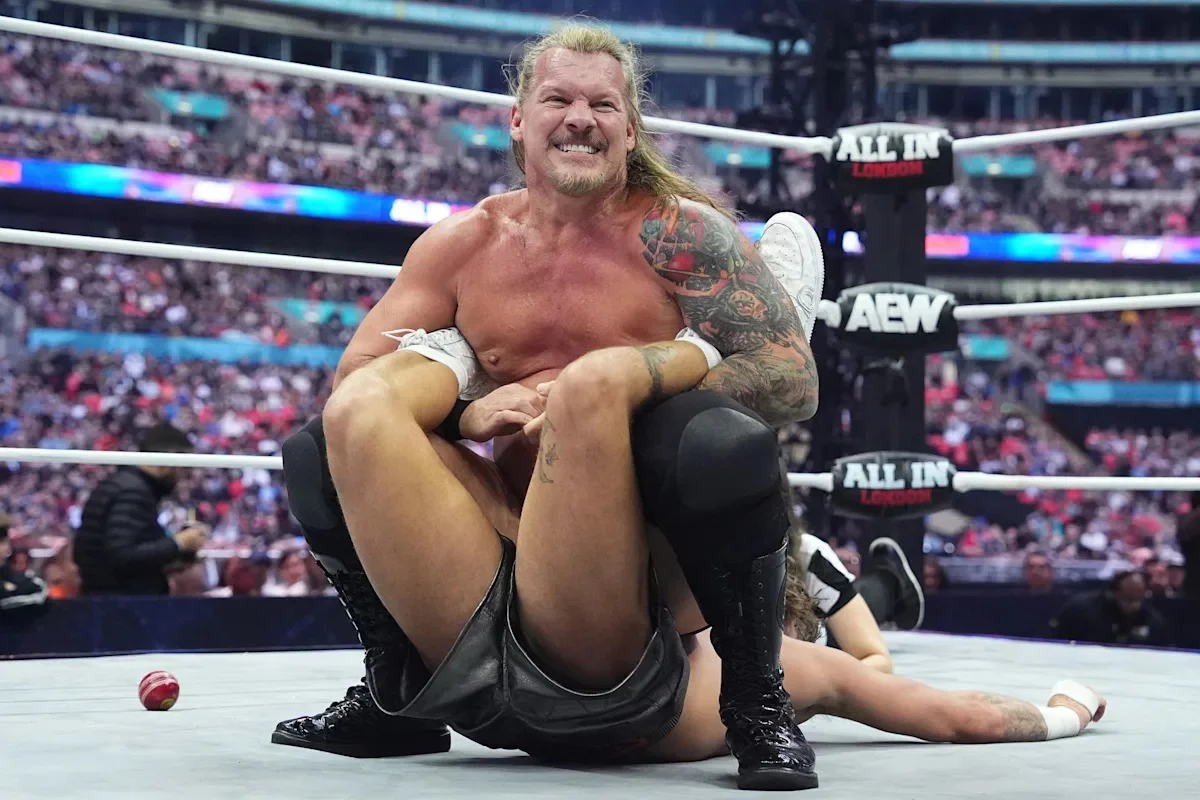
The emergence of All Elite Wrestling (AEW) presented Jericho with more than just a new contract—it offered a leadership role in building a wrestling brand from the ground up. AEW sought Jericho not only as a performer but as a central figure to help define their identity as an alternative wrestling product. This prospect of shaping a company and influencing its trajectory was a major factor in Jericho’s decision to leave WWE.
Knowing he could contribute in a significant way to a fresh, evolving brand made staying with WWE feel increasingly restrictive. The opportunity to be a key leader and creative force in AEW was rare for a veteran wrestler and one he eagerly embraced when signing in 2019.
Feeling sidelined in WWE fueled Jericho’s decision
Jericho has openly discussed how by the end of his WWE tenure, his role was limited and repetitive, failing to offer the challenges he sought. For someone who thrived on reinvention, the predictable nature of his WWE assignments was draining. Rather than remaining the veteran who only appeared when called upon, Jericho wanted to keep pushing boundaries and evolving as a performer. This contrast between his desire for growth and WWE’s diminishing creative support became impossible to ignore.
Industry insiders have noted that Jericho’s experience reflected a common challenge long-term WWE stars face: breaking free from entrenched roles is difficult after many years. AEW provided Jericho the platform to stay relevant, as well as to constantly redefine his impact in wrestling.
The WrestleMania 33 decision cemented Jericho’s path
The WrestleMania 33 card change continued to weigh heavily on Jericho. Believing the storyline with Kevin Owens carried enough emotional weight and momentum to headline the event, the shift to an earlier slot confirmed that WWE no longer saw him as a main event-level talent. This was more than disappointment—it was a moment of clarity for Jericho, sharpening his resolve to seek a career path that matched his ambitions.
He did not want the remaining years of his wrestling career to feel insignificant or like a series of fallback roles. Leaving WWE was the only viable way to continue challenging himself and making a meaningful contribution to the wrestling industry. Chris Jericho’s departure ultimately marked the beginning of a renewed creative journey where he could reclaim the freedom and influence his talent demanded.

