
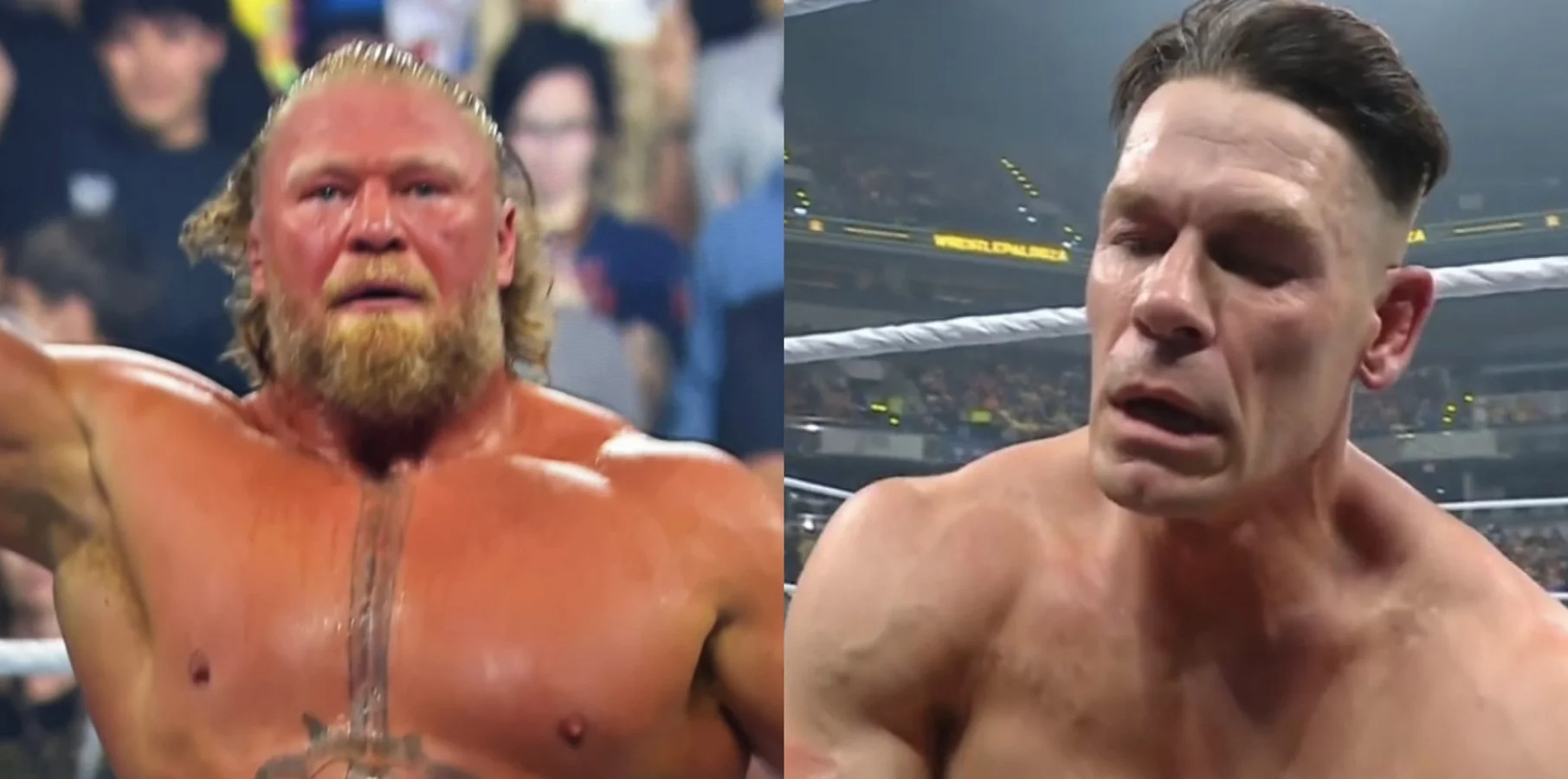
John Cena’s surprising squash loss to Brock Lesnar at WWE Wrestlepalooza left many fans frustrated and disappointed. The match took place at Wrestlepalooza on Saturday, with Lesnar making a dramatic return to World Wrestling Entertainment (WWE) shortly after SummerSlam, where he attacked Cena following his title confrontation against Cody Rhodes.
Having been longtime rivals since their first encounter on SmackDown in 2002, Cena and Lesnar’s battles have consistently favored Lesnar, reflected in Cena’s challenging win–loss record against him. As Cena embarks on his retirement tour, fans were hopeful he would secure a rare victory over Lesnar, but the outcome did not meet expectations.
Inside Story Behind Cena’s Wrestlepalooza Loss and Absence of a Rematch
Dave Meltzer shared exclusive backstage insights on Wrestling Observer Radio explaining why Cena agreed to the loss against Lesnar and why a rematch is unlikely. Meltzer highlighted John Cena’s unselfish attitude during the final phase of his career, emphasizing his intention to elevate other wrestlers as he phases out of active competition.
“There’s no plan for a rematch. The idea was, it was I mean, I don’t want to say it was John’s idea, but what I was basically told is that John is very unselfish and his job is, he knows on the way out that he wants to make people, you know? [Bryan Alvarez: Because Brock Lesnar wasn’t made].Well, he wants to make big stars. So he felt that. I mean, it was, it’s his call. And that was his call. A lot of guys, when they’re on their way out, their call is to lose and to put the other guy over. And that was John’s call. I mean, I know a lot of people.Look, at the end of the day, it’s Paul Levesque’s call, right? But if John says that, it’s not like Paul Levesque’s going to go ‘No, no, no, no, you have to win,’ especially when Brock is the one staying and he’s the one leaving.”
The decision ultimately rested with WWE executive Paul Levesque, but Cena’s preference carried significant weight. Lesnar is set to remain a major force within WWE, while Cena is approaching the end of his in-ring career, which influenced the outcome. This unselfish stance was meant to help solidify Lesnar’s dominance going forward, denying fans the rematch they hoped for.

Other Noteworthy Developments in WWE Post-Wrestlepalooza
Wrestlepalooza also marked several other significant moments within WWE that have caught the attention of fans and insiders alike. Jimmy Uso performed alongside his brother Jey Uso during the event, signaling important developments in their ongoing storyline.
The fallout from Wrestlepalooza extended into WWE Raw, where a new faction was introduced, further shaping the company’s direction in the coming weeks. Meanwhile, Nikki Bella publicly expressed disappointment over the appearance of her character in the upcoming WWE 2K25 video game, revealing ongoing frustrations with how WWE personalities are represented digitally.
Elsewhere, Adam Copeland reflected on a WrestleMania moment that he wished had happened but never materialized, adding a layer of “what if” nostalgia for long-time fans. Torrie Wilson also reminisced about her time in WWE, recalling some of the more awkward storylines she participated in during her career.
Additionally, Becky Lynch continues to build a strong reputation among her WWE peers, despite mixed reactions from the fanbase. These individual stories contribute to the complex and evolving nature of WWE’s current landscape following the high-profile Wrestlepalooza event.
The Impact of Cena’s Loss on His Retirement Tour and WWE’s Future
John Cena still has five dates left on his retirement tour after Wrestlepalooza, which has now taken an unexpected turn with the Brock Lesnar loss underscoring his final chapter in WWE. This defeat, while disappointing for many fans, reflects Cena’s broader focus on passing the torch to remaining stars like Lesnar, ensuring the company’s continued success beyond his exit.
With Lesnar’s return and dominant victory, WWE is emphasizing its current roster’s prominence over legacy stars who are stepping away. Cena’s acceptance of the loss and his unselfish approach signify a deeper understanding of his role in WWE’s storytelling—helping to build future headliners rather than clinging to past glory.
This decision is likely to shape how WWE positions its top talent moving forward, affecting not only match outcomes but also long-term character development and fan engagement. While some fans may remain frustrated with Cena’s Wrestlepalooza loss, it highlights a strategic choice aimed at securing the company’s trajectory as Cena’s career winds down.

