

John Cena’s official retirement from WWE resonated deeply across the wrestling world, marked by a wave of intense emotion and reflection unlike the farewells of other ring legends. As fans processed his final match and permanent departure, the emotional impact surrounding Cena’s exit shed new light on his significance and the unique bond he shares with wrestling culture.
Cena’s Final Farewell Marks the End of an Era
On December 13th at Saturday Night’s Main Event, John Cena concluded his storied 23-year WWE career, facing Gunther in a decisive match. The moment Cena tapped out to the Sleeper hold, despite his iconic mantra “Never Give Up,” was a striking close for a 17-time World Champion often called WWE’s Greatest of All Time. This definitive exit sent shockwaves among fans, many of whom have watched superstars return for “one more match”—but Cena’s insistence that he will never wrestle again left a uniquely mournful tone.
Wrestling history is filled with tales of legends who made comebacks after their grand send-offs. Ric Flair, for example, declared his WWE retirement in 2008, only to return in TNA and elsewhere for more matches. Similarly, “Stone Cold” Steve Austin and Shawn Michaels both stepped out of retirement after long absences, reigniting past rivalries. These frequent returns led to a pattern where wrestling retirements were often questioned or dismissed by fans, making John Cena’s “final” declaration stand out as both baffling and painful for those invested in his legacy.
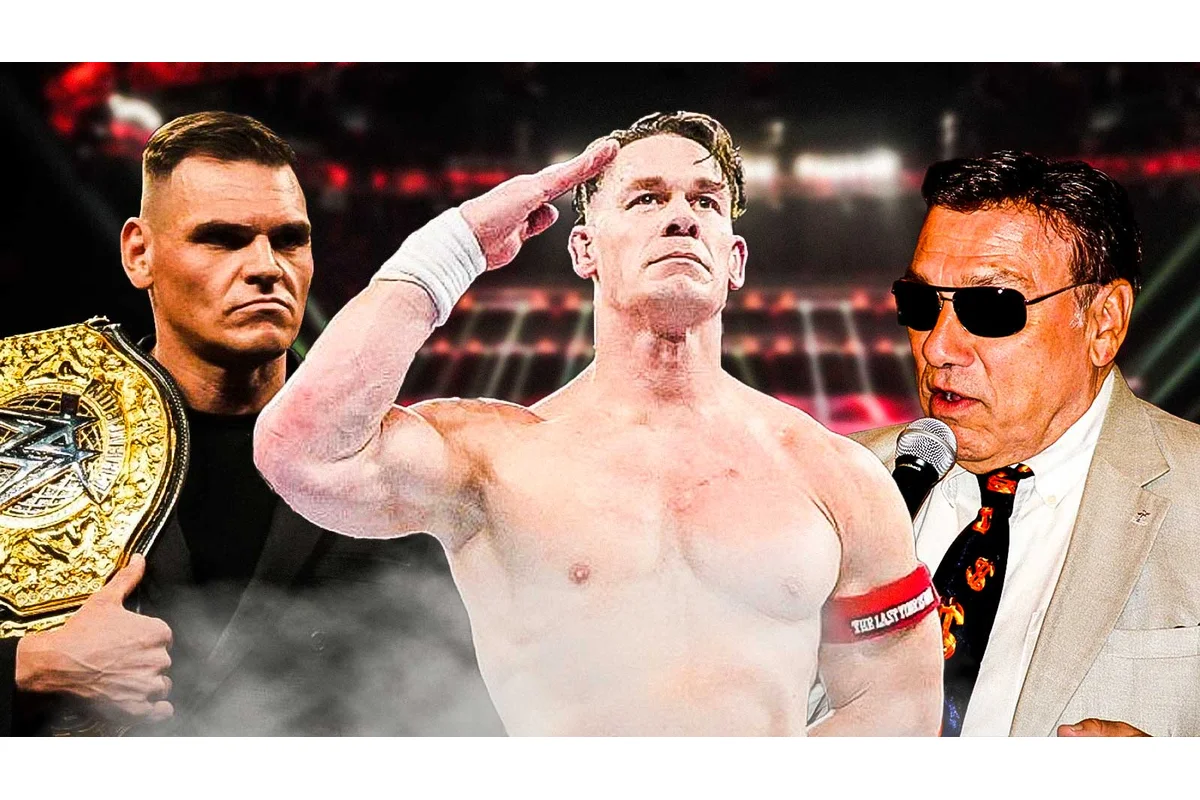
What sets Cena apart is the sense of finality he brings to his exit, reinforced by his statements and future plans. His candidness has created an air of credibility around his retirement, unlike the mix of skepticism and anticipation that surrounded the retirements of his predecessors.
Breaking the Cycle of Wrestling “Retirements”
Among wrestling fans and insiders, there is a prevailing belief that most celebrated careers never truly end. The likes of Ric Flair, Steve Austin, and Shawn Michaels each returned to the spotlight, often years after their emotional farewells, sometimes for a single show-stopping appearance. Despite Cena’s vow, some doubters still question whether he can stay away from the ring forever, given how rare a true retirement is in wrestling.
Nevertheless, Cena’s situation is distinct, as he has seamlessly shifted into a successful career in film, television, and as a high-profile event host. Unlike others who were drawn back for financial or spotlight reasons, Cena’s ongoing success outside the ring means he does not need another encore for either money or fame. This reality adds to the gravity of his departure, underscoring that his retirement truly marks a new chapter, not just a temporary pause.
The Emotional Weight Felt Across the Community
Among those who have spoken out on why John Cena’s retirement hit so hard is Hornswoggle, who wrestled alongside Cena during his WWE tenure and has offered a heartfelt perspective on wrestling’s collective response.
“I was flying home yesterday. I had an appearance on Wednesday, in Indiana, and I was flying home yesterday and WWE put out that that tribute video of sorts from all the the wrestlers and the crew and everyone and staff. Man, I was bawling like a baby on the flight, and I don’t, he said it best on Chris Van Vliet, he goes, if you are doubting that this is going to be my last, you’re going to be upset with yourself. It’s just, man. Austin being done didn’t hit as hard. Ric Flair being done didn’t hit as hard. Shawn Michaels being done didn’t hit (as hard), and I think that’s culture-wide and wrestling fandom-wide. I think about it of like Flair called his last match. Kind of. It was the, you know, the if I lose, I’m done. Shawn called his last match. It was if I lose, I’m done. Austin rode off to the sunset after Mania, and then he came back for the Kevin Owens match. But I cannot put a finger on why this one is hitting the wrestling community so big. I think it truly is because John Cena is just the greatest human ever. I think that’s it, and I think that’s why. I think that that’s the only reasoning.” – Hornswoggle, Former WWE Superstar
Hornswoggle’s words echo a sentiment felt by both fans and professionals, highlighting Cena’s personal legacy, not only as a wrestler but as a role model and positive influence. The widespread sadness over Cena stepping away from the ring doesn’t just reflect his achievements; it signifies the loss of a figure who embodied the best of what wrestling could offer both inside and outside the ropes.
Looking Ahead: Cena’s Lasting Presence and WWE’s Next Chapter
While John Cena’s in-ring career has come to a close, his story with WWE is far from over. His recent agreement to serve as an Ambassador for the company over the next five years means he is poised to remain a visible presence at WWE events, on television, and in public appearances, helping bridge new fans with the company’s storied heritage. However, as Cena himself has insisted, the days of competing inside the ring are truly finished, setting him apart from the cycle that brought so many wrestling legends back for encore performances.
As WWE moves forward, the emotional impact of Cena’s retirement continues to ripple through the wrestling fandom, elevating conversations about legacy and closure. Iconic figures such as Ric Flair, Shawn Michaels, and “Stone Cold” Steve Austin are now joined by Cena in the pantheon of wrestling greats who have stepped away, but the emotional measure of his departure may shape how retirements are viewed in the industry from here on out.
John Cena’s retirement is not just the end of a remarkable career, but a cultural moment that has deeply affected wrestlers, staff, and fans alike. For many, the John Cena retirement emotional impact might linger for years—serving as a benchmark for how legends close the book on their time in the spotlight, and how their absence continues to be felt long after the curtain falls.

