
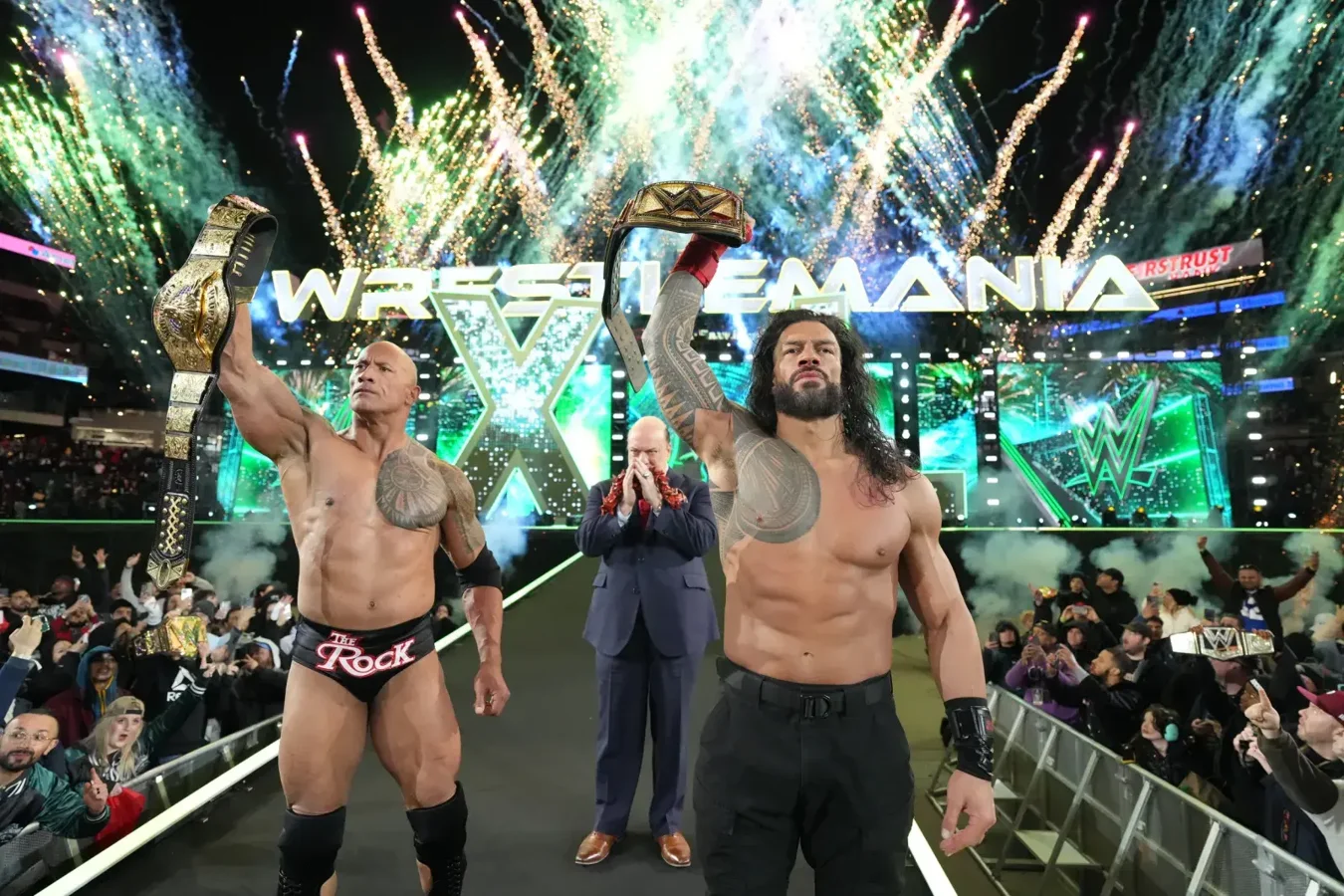
In a surprising revelation last week, Saudi official Turki Alalshikh announced that Wrestlemania 43 will take place in Saudi Arabia. Though the news was initially leaked prematurely by wrestling insider Mike Johnson, an official confirmation followed shortly after during a press conference in Las Vegas ahead of the Canelo vs. Crawford boxing event. This decision is significant, marking a major shift as the prestigious WWE event moves outside its traditional U.S. home. The Wrestlemania Saudi Arabia impact signals a new chapter shaped by business interests and geopolitical considerations.
The press event itself was marked by an uneasy atmosphere, with many WWE stars appearing visibly unenthusiastic about the announcement. Turki Alalshikh’s glowing praise, seen by some as orchestrated and insincere, pointed to the large sums paid for securing the event’s relocation. This development reflects an evolving WWE business model, now operating under the TKO corporation following the recent merger with UFC‘s parent company.
WWE’s Corporate Evolution and Its Effects on Wrestlemania’s Prestige
WWE’s past was often characterized by a mix of ruthless business tactics and longstanding traditions. Under Vince McMahon’s leadership, loyalty and legacy played notable roles, with key industry legends like Gorilla Monsoon and Captain Lou upheld due to their historical ties. McMahon’s era maintained a commitment to audience trust, ensuring that the product delivered on promotional promises, which helped sustain a dedicated fan base over decades.
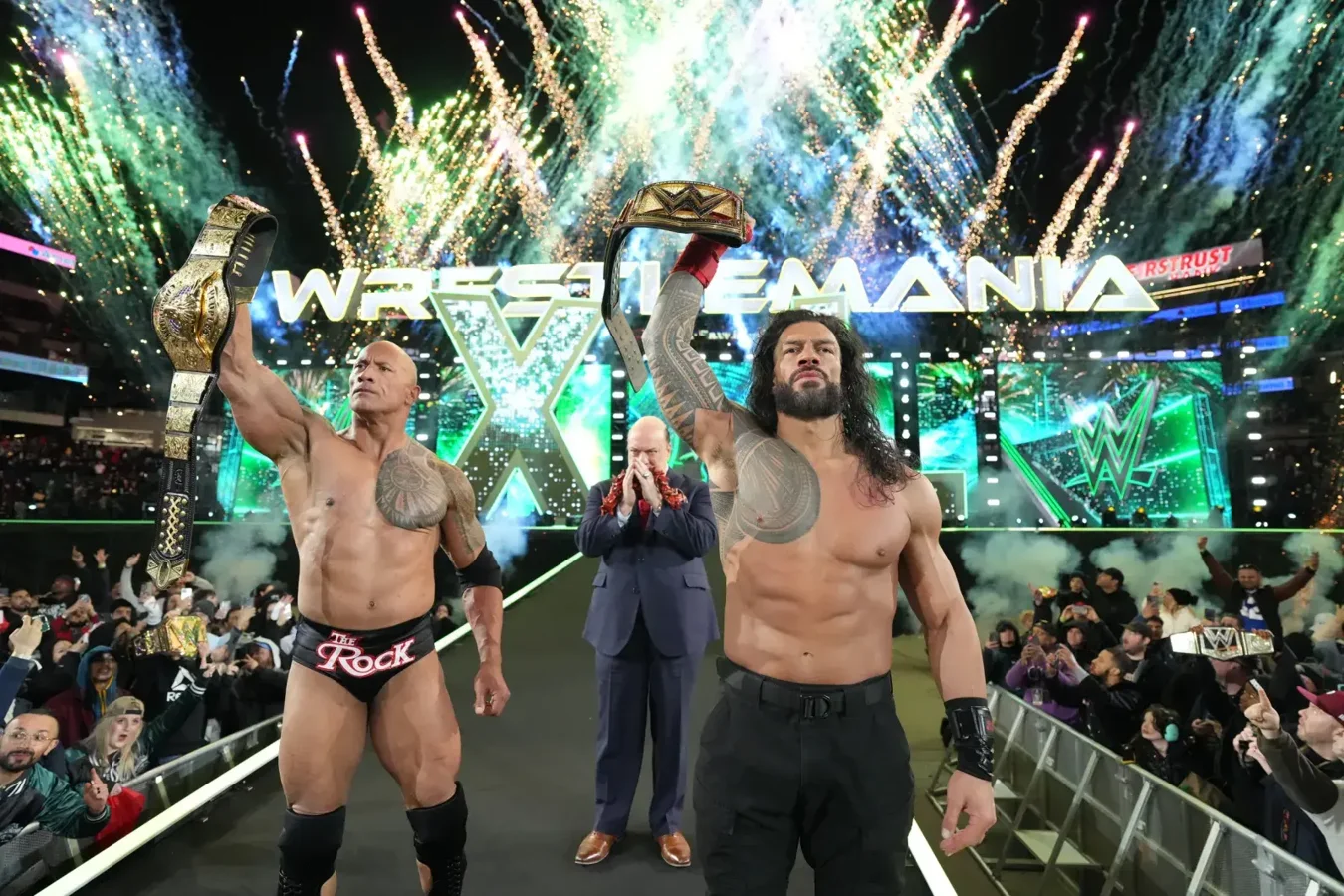
However, following WWE’s merger with UFC to form the TKO corporation, business decisions have tilted even more toward maximizing profits based on the highest bidder’s demands. This corporate shift highlights a growing divide between WWE’s origins as a wrestling company dedicated to fans and the new model prioritizing short-term financial gain. The choice to move Wrestlemania to Saudi Arabia—an arrangement largely controlled by government payments rather than fan demand—exemplifies this shift.
The Economic Weight Behind Hosting Wrestlemania
Wrestlemania has evolved beyond being a singular event to become a week-long sports entertainment experience, attracting tens of thousands of fans from the U.S. and abroad. Historically, this has generated vast economic benefits for host cities through tourism, hotel bookings, and increased activity in local businesses. For example, Las Vegas reportedly paid WWE $5 million to host Wrestlemania 41, alongside $4.2 million in tax credits, reflecting the event’s tremendous financial impact.
By comparison, Saudi Arabia’s bumper payment for Wrestlemania 43 reportedly surpasses the combined value WWE earns from ticket sales, merchandise, and site fees in typical U.S. locations, indicating a transaction motivated more by Saudi government influence than organic fan engagement. This substantial investment represents both a lucrative buyout for WWE and a potential propaganda tool for Saudi Arabia’s global image.
The Complex Responses from Domestic and International Fans
The decision to hold Wrestlemania in Saudi Arabia has sparked unease among loyal WWE viewers. Many question whether this move alienates the domestic fan base, especially considering travel advisories issued by the U.S. government due to ongoing regional conflicts. The likelihood of a strong “travel crowd” in 2027 is uncertain, dampening hopes for the traditional Wrestlemania pilgrimage experience. Despite this, casual fans are expected to continue supporting the brand, as attendance at next year’s Wrestlemania in Las Vegas will likely remain robust.
There are concerns about how this approach impacts fan loyalty. Some fans, while critical of the Saudi hosting, continue to follow the WWE regardless of location, reflecting a dynamic where commercial interests outweigh fan sentiment. This scenario raises larger questions about WWE’s long-term relationship with its audience and whether prioritizing lucrative but controversial markets will erode its fan base over time.
Rising Ticket Costs and Shifting Audience Access Under TKO
Mark Shapiro, CEO of TKO, recently disclosed intentions to raise WWE event ticket prices closer to the more expensive UFC model, moving away from Vince McMahon’s previous strategy aimed at family affordability. This ticketing shift is poised to exclude a notable segment of WWE’s traditional audience, which helped create a multi-generational following for the company. The move to maximize ticket revenue, streaming subscriptions, and merchandise sales reflects a focus on short-term financial growth rather than long-term brand sustainability.
These pricing increases come amid a backdrop of broader access challenges, making it more costly to engage as a WWE fan in today’s market. The consequences of this strategy over the next five to ten years remain uncertain, but industry observers worry the heightened prices might ultimately diminish audience size and weaken the sport’s grassroots support.
The Broader Implications of Wrestlemania’s Control and Future Prospects
Under TKO’s ownership, WWE seems increasingly governed by high-stakes financial dealings rather than traditional wrestling values. The Saudi government’s unprecedented purchase of Wrestlemania rights exemplifies a shift towards treating the event as a commercial asset for global influence, not merely a fan-centered spectacle. This raises speculation about whether Saudi Arabia might extend its entertainment investments further, potentially acquiring a stake in TKO in the future.
Where WWE will stand a decade from now as part of a larger entertainment conglomerate remains uncertain. The current model pushes for maximum profitability, but the long-term health of the brand depends on balancing revenue growth with fan engagement. The coming years will reveal if this strategy sustains WWE’s status or if disillusionment within the fan base will have lasting effects.
Fan Dialogue and the Wrestling Community’s Reaction
The wrestling community continues to debate this watershed moment for WWE. Fans and commentators are sharing varied opinions and concerns about the implications of Wrestlemania Saudi Arabia impact across social platforms such as Twitter and Facebook. This conversation highlights the tension between WWE’s business priorities and its cultural role as a beloved sports entertainment provider.
Fans are invited to express their perspectives under the handle @PWMania, reflecting ongoing engagement with this evolving chapter in WWE history.

