
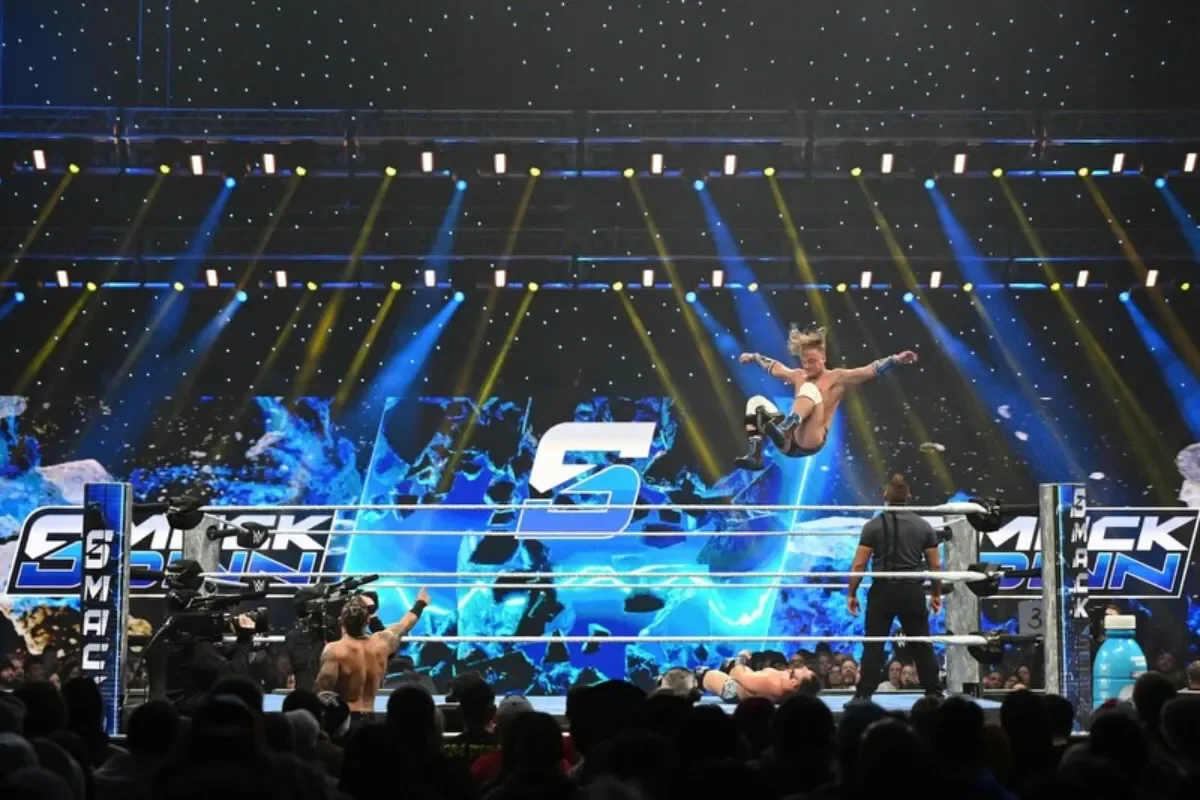
Concerns have intensified within the wrestling industry as a recent WWE SmackDown injury update indicates that Piper Niven may be forced into retirement due to a severe neck issue. Reports suggest that her current injury is so significant, she may never be able to return to the ring, igniting discussions about the long-term risks wrestlers face, particularly regarding neck injuries sustained during matches.
Growing Alarm Over Neck Injuries in Professional Wrestling
The safety of performers has become a hot topic following a candid message from William Regal concerning dangerous wrestling techniques. Regal addressed the risks associated with moves that lead to competitors landing on their necks, drawing from his own past injuries and hard-earned experience. He explained,
“I kept going somehow but knew all the tricks that again people don’t learn now and watch film and just copy. After Misawa San passed from his neck problems I thought it would stop this nonsense but it’s got worse and whenever I talk to people about them doing it it’s ‘well it doesn’t hurt….’”
—William Regal, WWE authority
Regal elaborated on the daily struggles that follow such injuries, highlighting how little fans recognize the distinction between complex or hazardous moves and their safer alternatives. He further warned up-and-coming wrestlers about repeating these dangerous mistakes, saying,
“I’m 57 and become less relevant every day but fame has never been my thing so most of you doing this STUPID stuff are not going to listen to me but hopefully a few do. Stop it now if you want a decent quality of life after Wrestling because that part of your life will be over before you know it and wrestling done right is hard enough but broken necks or death are not something you should think is tough or cool. It’s idiotic thinking,”
—William Regal, WWE authority
How Piper Niven’s Injury Brings the Issue to Light
The debate around safe wrestling practices became even more pressing when SmackDown Superstar Piper Niven voiced her agreement with Regal’s warnings. Sharing her thoughts publicly, Niven acknowledged the delicate line athletes walk between feeling healthy and facing long-term consequences.
“The line between ‘But I feel fine!’ And ‘I just want to feel ok again’ Is horrifically thin, and you have zero idea how close you are teetering on the edge of it. Please take heed, my darlings,”
—Piper Niven, WWE SmackDown Superstar

This resonated with many fans and fellow wrestlers, as it reflected the sudden and often unexpected shift that can occur in a career-ending injury. The situation turned somber when Bryan Alvarez, speaking on Wrestling Observer Live, reported on the nature and potential permanence of Niven’s condition.
“I mean, there’s been a lot of talk that this one’s a career ender,”
—Bryan Alvarez, Wrestling Analyst. He offered further clarification by stating,
“It is her neck. And it’s the same deal, you know, it was wear and tear, and took a bump, and that was it.”
—Bryan Alvarez, Wrestling Analyst
Industry Insight and Community Reaction
Piper Niven’s situation has reignited debate among wrestlers, organizations, and fans alike regarding the protocols and training methods used to safeguard performers. Individuals such as Bryan, closely identified with Niven’s struggles, serve as reminders of how persistent and widespread these injuries can be. The wrestling community is now watching what measures WWE and other organizations may implement to better protect athletes from similar devastation.
Comments from respected voices like William Regal underscore the need for reform, reflecting not only the personal sacrifices wrestlers endure but also the ignorance that can permeate both the industry and its fanbase regarding the gravity of such injuries. References to legendary figures like Misawa San, who succumbed to neck-related complications, augment the urgency to address these issues before more careers—and lives—are irreparably harmed.
What This Means for WWE and the Future of Its Athletes
This WWE SmackDown injury update, centered on Piper Niven, may significantly influence policies on match safety and the types of moves performers are encouraged to execute. As Niven faces the sobering possibility of retirement, the situation stresses the importance of maintaining not only entertainment value but also long-term health for all wrestlers. Key organizations, including WWE and outlets like WrestleZone, are expected to monitor developments and provide additional information as it emerges, while the wrestling world at large considers how best to ensure the well-being of its stars.
I stay off here but was alerted to something to day that has alarmed me. I don’t read any comments so don’t waste your time trying to argue or justify your very wrong opinions on this. I broke my neck twice,9/93 in ring and a car wreck in ‘97 and stupidly never told anyone. And I… pic.twitter.com/BHxtPm6rjM
— William Regal (@RealKingRegal) December 28, 2025

