

Ronda Rousey openly criticized WWE’s decision to book her against Alexa Bliss for her first championship match, calling it “ridiculous.” This bout took place at SummerSlam 2018, where Rousey captured the RAW Women’s Championship, marking her debut title win in professional wrestling. Despite the significance of winning the championship, Rousey questioned whether Bliss was the suitable opponent to highlight her stature at the time.
Rousey, known for her UFC background and star power, had already made major appearances in WWE, including a high-profile tag team match at WrestleMania 31 in 2015 alongside The Rock against Triple H and Stephanie McMahon. Although her UFC run ended after a loss to Holly Holm in 2015, her fame remained strong when she signed with WWE in 2018.
Insight Into WWE’s Booking Motivations and Rousey’s Reaction
In an interview on The Lapsed Fan podcast, Rousey revealed that WWE’s main reason for pitting her against Alexa Bliss was Bliss’s high merchandise sales, not necessarily strategic storytelling or competitive logic. Rousey expressed deep frustration with this approach, emphasizing that it made little sense for an athlete with her background.
“The fact that they had me fighting Alexa Bliss at all was f**king ridiculous, and you wanna know why they had me against Alexa Bliss? Because she had the most merch sales at the time… Like, what the f**k? That’s your decision-making process?” —Ronda Rousey, former UFC fighter and WWE Superstar
The Development and Context of the Rousey-Bliss Rivalry
The rivalry between Alexa Bliss and Ronda Rousey began shortly after Bliss cashed in her Money in the Bank contract on Nia Jax at the 2018 event, which had a direct impact on Rousey’s path. Bliss’s aggressive attack during Rousey’s match with Jax set the stage for their confrontation that summer. This rivalry was amplified by WWE’s creative decision to leverage Bliss’s popularity and merchandise performance as a key factor in their booking strategy.
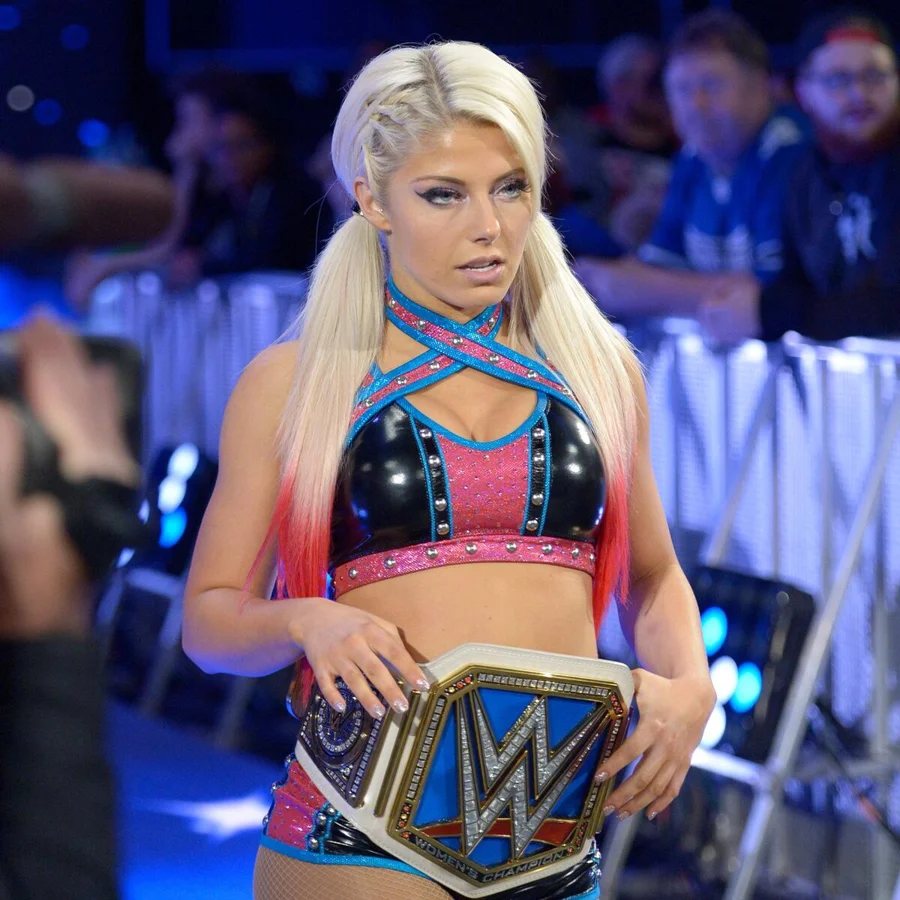
The choice to have Rousey face Bliss, who was gaining momentum with fans but did not share the same combat sports background, sparked questions about WWE’s intentions and priorities in showcasing talent. Rousey’s criticism illustrates a tension between athletic credentials and commercial interests within the company.
Implications for WWE’s Talent Booking and Future Storylines
Rousey’s remarks highlight a broader issue regarding WWE’s decision-making processes, particularly in how matchups are determined based on factors like merchandise sales instead of wrestling merit or storyline coherence. This incident raises important considerations about how WWE balances business priorities with the presentation of its talent.
Looking ahead, the comments from one of WWE’s most prominent female stars may influence how future booking decisions are perceived by performers and fans alike. Rousey’s candid perspective encourages a conversation about authenticity in wrestling matchups and the commercial strategies that drive them.

