
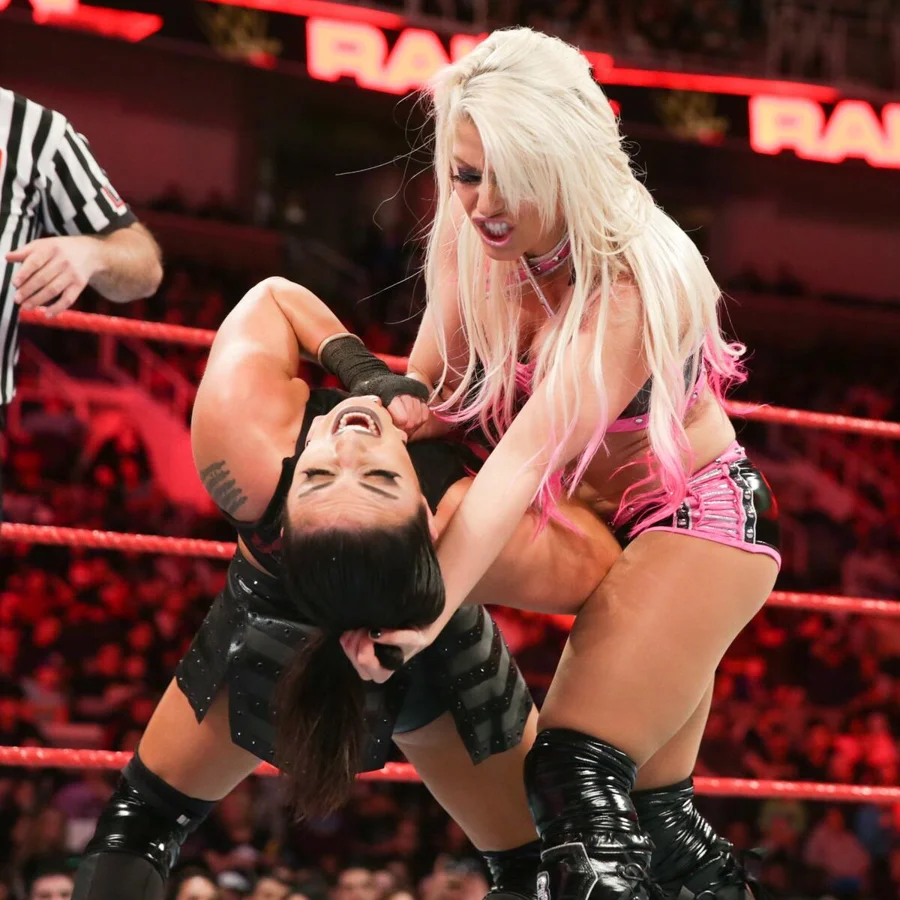
Ronda Rousey recently fueled debate by casting subtle criticism toward her former WWE adversary, Alexa Bliss. Their rivalry drew significant attention, especially since WWE positioned Bliss as the wrestler Rousey had to defeat at SummerSlam 2018. This event marked Rousey’s first capture of the RAW Women’s Championship, a milestone in her pro wrestling career. The “Alexa Bliss WWE rivalry controversy” continues to provoke discussion about how size perceptions influenced their dynamic.
Insights from Dutch Mantell on Size Challenges in Wrestling
During an episode of Story Time with Dutch Mantell, the wrestling veteran shared experiences that shed light on size-related obstacles faced by performers, highlighting they are not limited to women alone. Mantell recounted how in his own early wrestling days, other wrestlers refused to work with him due to his size, even though he stood around 6 feet tall and weighed 210 pounds. This situation underlines that the issue transcends gender and is tied to the business realities within wrestling.
Mantell emphasized that talent must accept the demands of their role and
“take the good with the bad,”
regardless of external opinions. Specifically regarding Rousey and Bliss, Mantell noted that Bliss’s popularity and her merchandise sales made her an asset to WWE, influencing booking decisions more than physical stature alone.
That’s not [Ronda Rousey’s] choice; that’s a job. So, you either take it and do the best with it you can – but to me, that’s a personal thing.I’ve seen this before because guys–and it’s not strictly a female problem–lot of guys say he’s too little or he’s too this. I’ve had guys say that about me. Big guys going, ‘I don’t want to work with him, he’s too small,’ even though I was about 6 foot and 210. But anyway, it’s just what it is.So, she has to take the good with the bad. They are paying her to do a job, and she needs to go in there and do the best she can with it. They had pretty good matches, didn’t they?
—Dutch Mantell, Wrestling Veteran
Context of the WWE Booking Decisions and Match Outcomes
The storyline involving Rousey and Bliss followed Rousey’s earlier feud with Nia Jax, who was notably a larger opponent. WWE crafted the narrative so that Alexa Bliss could successfully cash in her Money in the Bank contract on Jax, further elevating Bliss’s position before entering the SummerSlam program against Rousey. Despite differences in size, both women delivered compelling matches that resonated with the audience, highlighting the complex factors WWE weighs beyond physical attributes.
Why Size Perceptions Influence WWE Careers
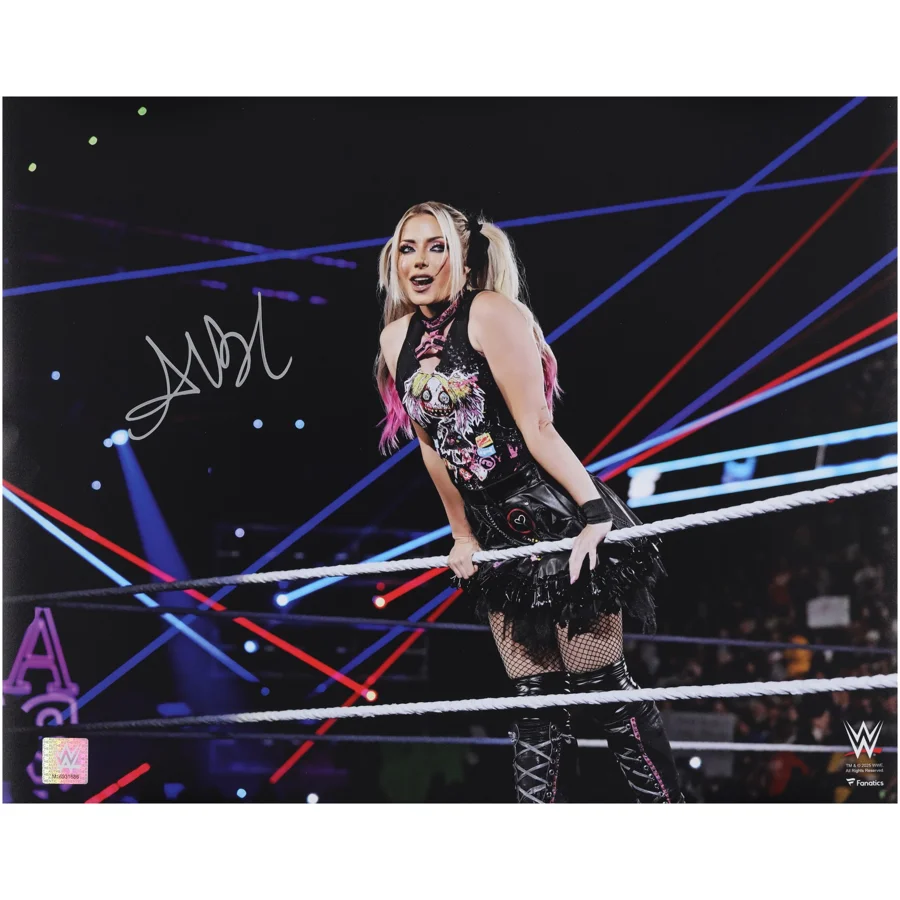
The challenges related to wrestler stature often shape booking strategies and interpersonal dynamics in WWE. Dutch Mantell’s insights reveal that concerns about size affect many wrestlers’ careers, as some talent face reluctance from peers unwilling to work with them due to physical differences. This context explains why Alexa Bliss and Ronda Rousey encountered “size snubs” despite their skills and fan appeal. Success in WWE requires adapting to these realities while maintaining professionalism and focus on performance.
Looking Forward: The Impact of These Dynamics on Wrestling
Understanding how size biases and merchandise appeal influence WWE decisions provides a clearer picture of the wrestling business’s inner workings. For stars like Alexa Bliss and Ronda Rousey, navigating these challenges remains part of their professional journey. The ongoing “Alexa Bliss WWE rivalry controversy” exemplifies tensions between talent value, physicality, and audience reception. Moving forward, how WWE balances these elements will continue to affect storylines and wrestler careers alike.

