
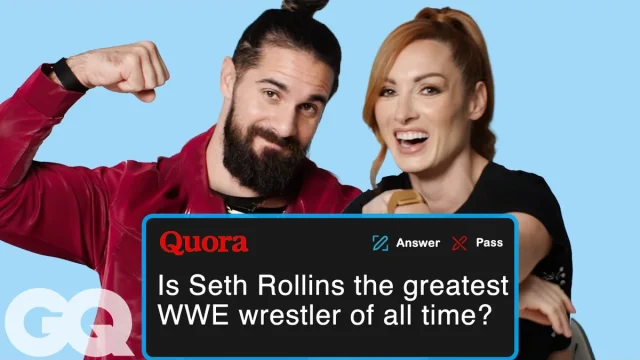
Rebecca Quin, known worldwide as Becky Lynch in WWE, recently opened up about her feelings toward her wrestling ring name. Despite her iconic status in the women’s division as the Women’s Intercontinental Champion, she shared that she dislikes the name “Becky Lynch” and prefers her real name, Rebecca Quin. The decision to adopt “Lynch” came after WWE rejected her suggested ring names, finally settling on a combination that included her real first name and an Irish surname chosen by the company.
Lynch, who maintains a consistent in-character presence both inside and outside the ring, explained her ring name’s origin in a detailed conversation on the Viall Files podcast, shedding light on the behind-the-scenes negotiations and compromises involved in creating wrestling personas.
Becky Lynch Discusses the Challenges in Choosing Her Ring Name
Becky explained she is
“a big fan of a moniker”
but ironically disliked the last name she was given.
“I love Rebecca Quin, Rebecca Quin rocks, what a great name. Becky Lynch. Lynch. It doesn’t roll off the tongue, you know?”
she said, emphasizing the awkwardness she feels about her ring name’s rhythm. Despite coming up with multiple creative suggestions, WWE repeatedly rejected her ideas. Eventually, they settled on keeping “Becky” to preserve part of her actual identity, while adding “Lynch,” an Irish surname that she did not feel able to oppose.
“I’m a big fan of a moniker because I hate my name. I love Rebecca Quin, Rebecca Quin rocks, what a great name. Becky Lynch. Lynch. It doesn’t roll off the tongue, you know? Unlike Colby over here, I was way more often on the chopping block, so I came up with names I thought were super cool, and then they kept saying no, and eventually they just got a combination of Becky and an Irish name, and Lynch was one of the ones they approved, and I kind of wanted to keep a bit of my own name so it’s less confusing than ‘Seth & Colby’. At least, whenever the time comes, that I’m done I can still be Rebecca, Becky. And then Lynch, I didn’t feel like I could push back, so I was just like ‘ok, that’ll be it.”
Her remarks suggest a tension between personal identity and corporate branding demands, highlighting the limited control wrestlers often have over their own stage personas. Lynch’s desire to retain her first name reflects an effort to remain authentic despite the restrictions placed on her by WWE creative decisions.
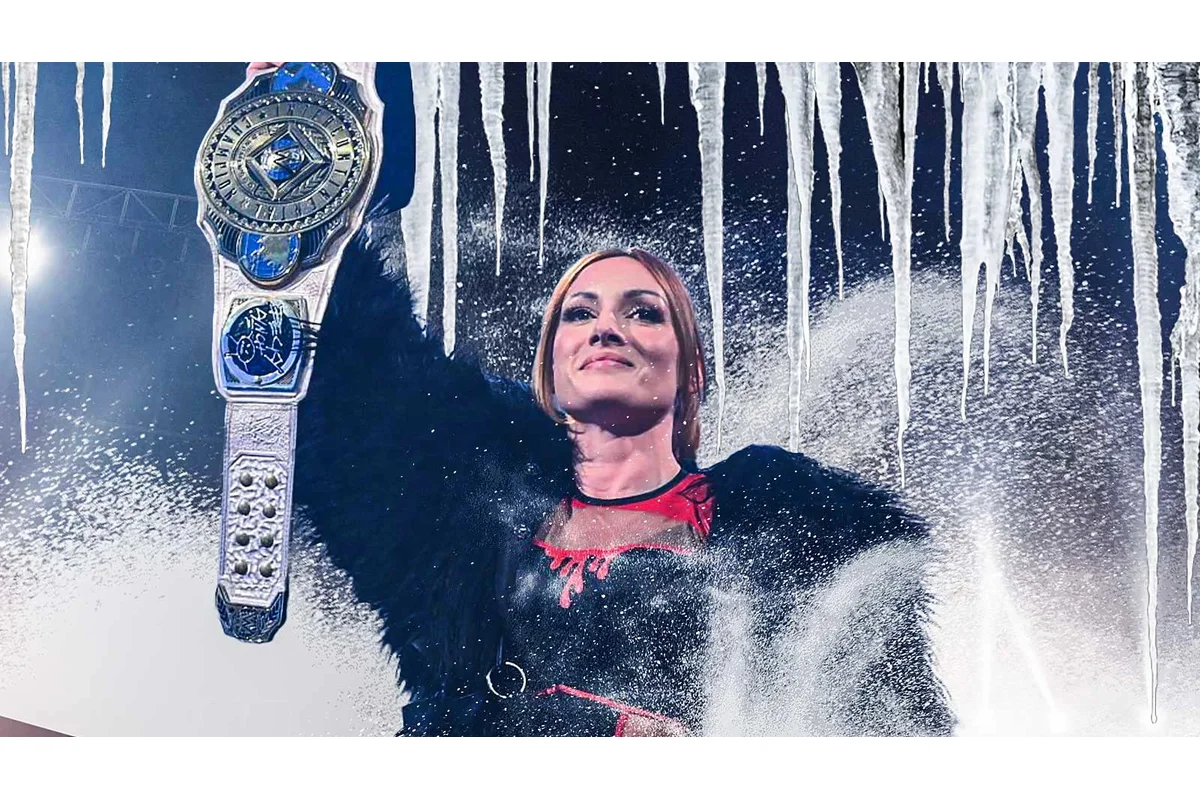
Seth Rollins Shares His Experience With WWE’s Control Over Wrestler Identities
In the same interview, Seth Rollins, Lynch’s husband and a prominent WWE star, reflected on his early days in the company and how WWE enforced ownership of wrestler names to secure their intellectual property rights. Rollins revealed that he originally wanted to keep his independent wrestling name, Tyler Black, but WWE declined to purchase it, insisting that they owned every element of his character going forward.
“When I got signed, I couldn’t use a different spelling of Colby, I couldn’t be Coby, I couldn’t do anything that was close to it, because they were so anal about ‘we need to own this character and you can’t take any of it with you’. That’s just how it was back then, this was 15 years ago. 15 years ago the people in charge were like ‘we need to own every facet of this character in perpetuity, you can’t have any of it. So even Tyler Black, I tried to sell them Tyler Black, because I wanted to keep it because I made a name off Tyler Black, but they wouldn’t. They would not buy it.”
Rollins’ insights reveal the longstanding nature of WWE’s strict policies over wrestlers’ branding, emphasizing how newly signed talent historically had little choice but to relinquish names they established elsewhere. This approach underscores WWE’s commitment to controlling merchandising, promotion, and character continuity.
Upcoming Events and WWE Star Status Update
While Seth Rollins remains sidelined due to a shoulder injury, Becky Lynch is actively preparing to compete in the Women’s Royal Rumble match scheduled for January 31st in Riyadh, Saudi Arabia. Her participation in one of WWE’s headline events highlights her continued prominence in the company despite her personal reservations about her ring name.
These developments maintain interest in Lynch’s career trajectory and WWE’s ongoing ability to spotlight top talent on major platforms, even as behind-the-scenes creative challenges persist. The Royal Rumble will serve as another stage for Becky Lynch to showcase her abilities, potentially increasing the spotlight on the complexity wrestlers face balancing persona and identity.
Other Recent Developments in WWE and AEW Storylines
In related wrestling news, Damian Priest is rising as one of WWE RAW’s notable babyfaces as he seeks to reconcile after a recent backstage incident. Meanwhile, The Rascalz, an AEW faction, have expressed eagerness for a surprise reunion with a former member who has recently appeared in All Elite Wrestling.
Paul Heyman teased a major surprise connected to the upcoming WWE Royal Rumble, fueling speculation about new alliances or character turns. Additionally, the AEW Women’s World Championship match, featuring Kris Statlander defending her title, delivered excitement after weeks of tensions between competitors.
Meanwhile, social media buzzed after WWE reporter Jackie Redmond leaked a surprise return of a WWE Hall of Famer during the upcoming Royal Rumble, adding further anticipation to the event.
In other headlines, Matt Cardona, a former WWE champion, voiced strong feelings toward a fellow wrestler, and speculation surrounds the possible Royal Rumble return of an injured WWE star who has been out for nine months. Personal stories also emerged, such as a former WWE diva discussing her past relationship with CM Punk and its complications.
The Impact of Wrestler Name Control on Careers and Identities
The stories of Becky Lynch and Seth Rollins serve as examples of WWE’s extensive role in shaping—and sometimes restricting—the professional identities of its performers. For Lynch, the forced adoption of a ring name she dislikes suggests the compromises wrestlers face between personal pride and corporate demands. Rollins’ experience underscores the precedence of company ownership over character names dating back over a decade, reflecting a consistent strategy to protect WWE’s intellectual property.
Understanding these dynamics is crucial for fans and industry watchers as they observe the evolution of wrestling personas and branding. Wrestlers’ identities, while often larger than life, are forged within frameworks controlled by corporate interests, impacting both their professional paths and public perceptions.

