
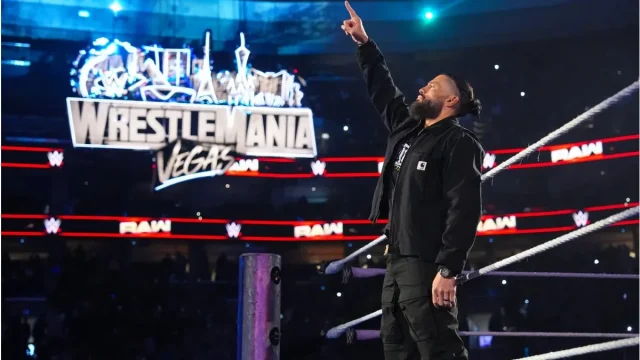
On a recent episode of Something to Wrestle With, Bruce Prichard and Conrad Thompson explored how WWE has often countered fan backlash regarding its top wrestlers. Prichard highlighted the parallels between fan responses to Roman Reigns and John Cena, emphasizing WWE’s perspective shaped largely by business outcomes rather than crowd reactions. This discussion provides insight into WWE’s handling of Roman Reigns WWE backlash in recent years.
Comparing Roman Reigns and John Cena’s Fan Backlash
Prichard recalled the 2006 Royal Rumble, where despite vocal rejection from some fans toward John Cena as the top babyface, WWE prioritized the revenue he generated. He explained,
You had to ignore it because that was not someplace Vince was willing to go. When you look at John Cena, whether the loud male boos were drowning out everything else, the families, the merchandise sales, the kids, and the money were saying otherwise.
— Bruce Prichard
Asked if the experience with Roman Reigns was comparable, Prichard affirmed this was a key example, stating,
Those are the two examples I always use. You can go back to when we first started doing this and we were looking at the product then. I told you from day one, never wavered, Roman Reigns is the biggest star they have and will be the biggest star.
— Bruce Prichard
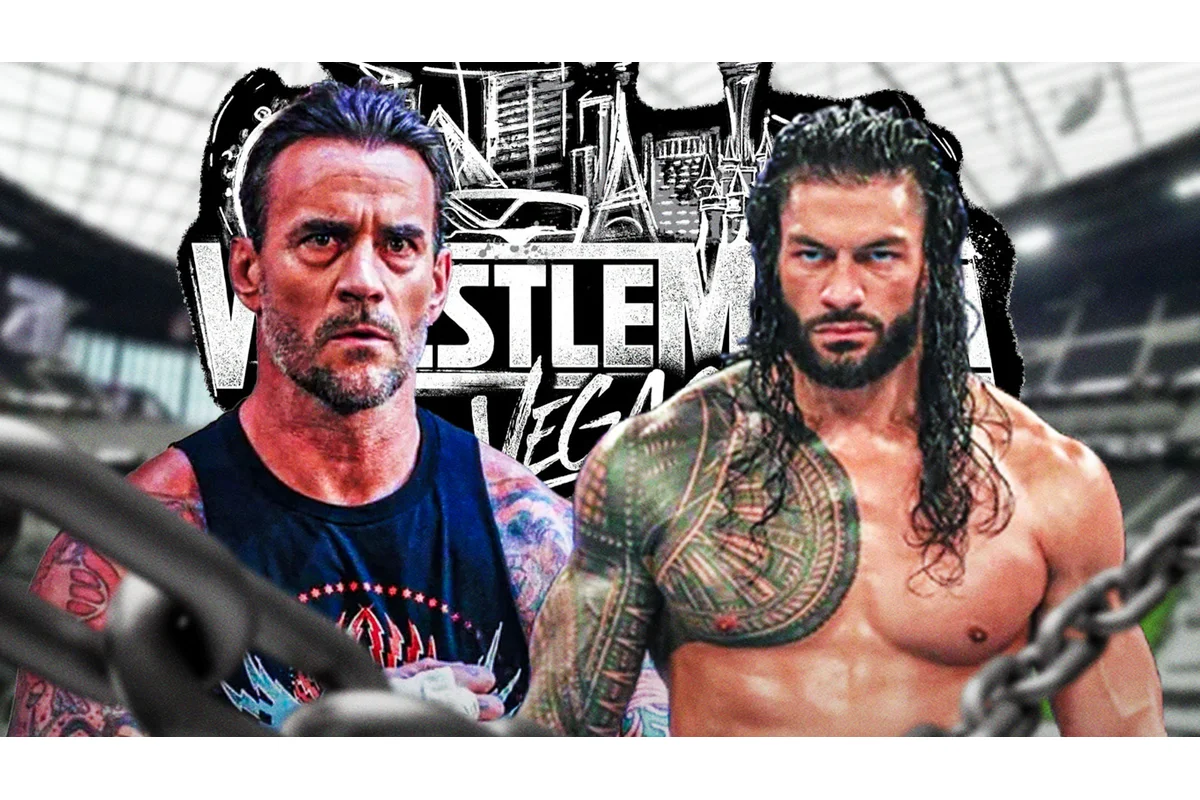
He went on to highlight the complexity of audience reactions, saying,
The same thing with Cena. He was a star. The audience felt one way because they felt he was being shoved down their throat. As soon as we stopped shoving Cena down their throat, then it was, ‘Oh my God, you’re not listening to the people.’ It’s funny, but yeah, those are the two.
— Bruce Prichard
In addition, Prichard mentioned Randy Orton as another wrestler who could be categorized alongside Cena and Reigns in this context of fan pushback and company support.
WWE’s Cautious Approach to Character Changes
More recently, in the Wrestling Observer Newsletter, Dave Meltzer reported on WWE’s hesitation to turn Cody Rhodes heel, linking it to merchandise success and fan response similar to the scenarios involving Cena. He wrote,
Regarding any rumors of a Rhodes heel turn, we were told it’s not happening now, won’t until it’s deemed it has to and the feeling is that’s no time soon and we were told his merchandise numbers are nothing to be tinkered with.
— Dave Meltzer
This careful strategy reveals WWE’s focus on commercial factors while navigating audience sentiment, demonstrating a consistent approach to managing stars who receive mixed fan reactions.
Implications for WWE’s Future Star Management
The insights shared by Bruce Prichard and others shed light on WWE’s balancing act between fan expectations and business priorities. Roman Reigns’ ongoing position as a leading figure despite backlash illustrates the company’s reliance on market performance over direct audience approval. Understanding this dynamic is crucial for predicting how WWE might handle current and future stars facing similar criticism.
With the continued significance of key wrestlers like Roman Reigns, John Cena, and Cody Rhodes, WWE’s approach to backlash is likely to remain governed by financial success and merchandise sales. Fans and industry observers can expect WWE to prioritize these metrics while weathering vocal opposition.

