
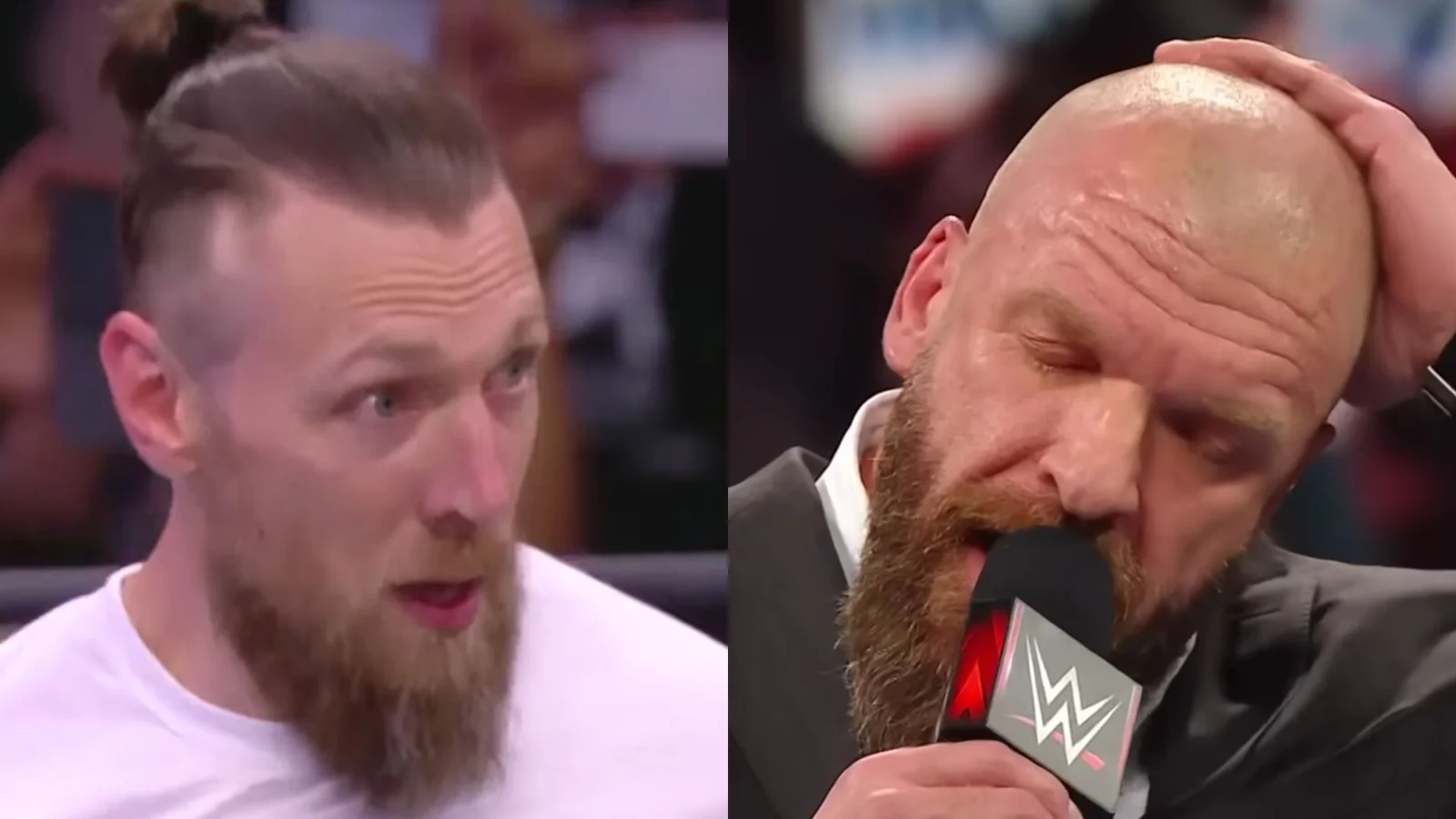
Bryan Danielson has openly criticized WWE‘s ongoing efforts to counter AEW’s growth, questioning the reasoning behind the sports entertainment giant’s persistent targeting of its rival. Highlighting the strategic moves WWE has made since AEW’s establishment in 2019, Danielson sheds light on the complexities behind the professional wrestling industry’s current competitive landscape.
Since Tony Khan launched AEW in 2019, WWE has taken multiple measures to hinder the challenger brand’s progress. The rivalry intensified before AEW Dynamite aired in October 2019, when WWE shifted NXT to the same night on the USA Network, initiating what became known as the Wednesday Night Wars. More recently, WWE attempted to schedule Wrestlepalooza at the same time as AEW’s All Out pay-per-view, although Khan eventually moved AEW’s event to avoid a direct clash.
Danielson’s Perspective on WWE’s Targeted Strategies Against AEW
Speaking on The Kairouz Bros podcast, Bryan Danielson, a former WWE Champion, outlined why he does not view AEW as a threat to WWE yet criticized WWE’s aggressive approach. His comments suggest that WWE’s actions are motivated by the financial implications AEW’s rising popularity might have on the larger company.
“I’m just curious, like, what the people who are making these decisions, what they’re thinking, right? In the sense of like, ‘Oh, okay, this AEW thing. It’s a real danger to our billion-dollar business.’ That can’t be it. AEW existing and being this challenger brand, and being as successful as we’ve been, has changed the landscape for wrestling, for the wrestlers themselves. Wrestlers are being paid more now than ever from a sports rights perspective.So, for example, in most major sports in the United States, the players get anywhere between 40 to 50% of the revenue. WWE was paying their wrestlers nowhere close to that. Now, keep in mind, they’re still not paying anywhere close to that, but they do have to pay more, because if they don’t, the talent is going to leave and go to AEW.AEW does pay that 40 to 50% of their revenue to their wrestlers. You know, despite making much less money. I mean, our TV rights deal was incredible, but we’re still the challenger brand catching up on however many years WWE has.”
—Bryan Danielson, Former WWE Champion
Danielson emphasized that AEW’s presence has positively shifted the financial treatment of wrestlers within the professional wrestling world. Historically, WWE compensated its talent far less than the 40 to 50 percent of revenue typical in many major U.S. sports leagues. AEW, despite generating notably less revenue and still emerging as a challenger brand, adheres more closely to giving wrestlers an equitable share, forcing WWE to increase its payouts to retain talent.
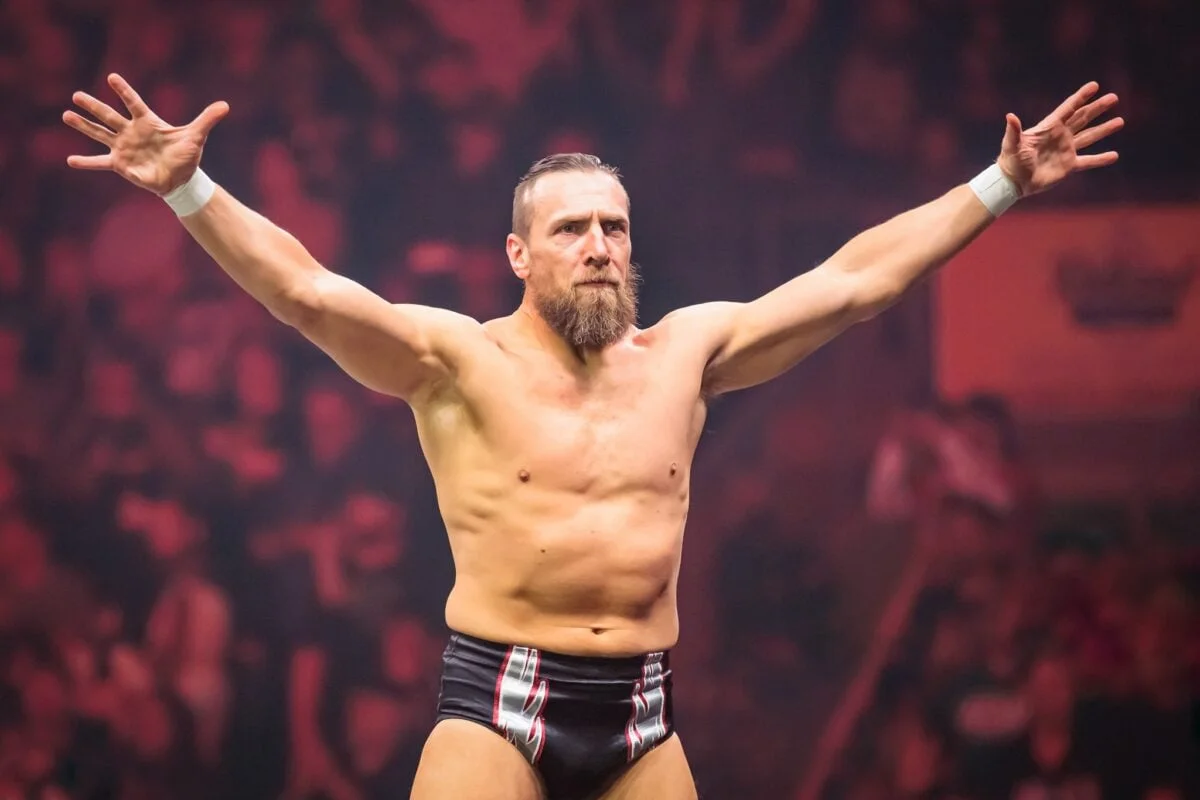
Unpacking WWE’s “Strange Tactics” in the Competitive Battle
Continuing his analysis, Danielson expressed confusion about WWE’s seemingly hostile tactics aimed at suppressing AEW’s progress, despite him recognizing benefits for wrestlers on both sides. His remarks suggest a disconnect between corporate decision-making and the interests of individuals within the wrestling community.
“It’s interesting because we’re, we’re not at the point of being a threat. It’s one of the things that people who really crave power and a lot of money play these weird games that I don’t understand. I don’t understand, it’s like, ‘Okay, we’re gonna run all the competitors that might be competitive with us out of this business.’ Why? It’s good. It’s good for the wrestlers.It’s good for the wrestlers, both in AEW and in WWE, it’s good for them. If AEW wouldn’t have started, would Cody Rhodes be where he is right now? No, they have a megastar because AEW exists. Would CM Punk ever have come back? Probably not.I would be really interested, and I’m not saying this in the sense of like, ‘Oh, those evil people. Because when you think of corporations, they are not people, right? In the United States, I don’t know if it’s like this in Australia, but corporations have been, have been determined as, like, legally, as people, they have the same rights as people.It’s just like, wait, what? But they’re not people, right? So that these corporations make these decisions, but the people in WWE, a lot of people I know, are great people, right? So it’s like, I’d be interested to know, okay, what’s the decision-making process in this?”
—Bryan Danielson, Former WWE Champion
Danielson noted that AEW’s creation has enabled wrestlers like Cody Rhodes to reach new levels of stardom and encouraged the return of major names such as CM Punk, accomplishments that may not have occurred without AEW’s influence. Yet, despite these positive outcomes, WWE persists with counter-programming and other tactics that Danielson described as “weird games” played by those seeking to protect power and revenue.
He also reflected on the legal nature of corporations in the United States, which are recognized as legal “people” but fundamentally lack the human qualities behind their decisions. This distinction fuels his curiosity about the processes and motivations driving WWE’s top-level strategies, separating them from the goodwill of individuals working within the company.
WWE’s History of Counter-Programming Against AEW
WWE has a clear pattern of counter-programming since AEW’s inception. The Wednesday Night Wars, which began with the simultaneous airing of AEW Dynamite and WWE NXT, epitomized WWE’s direct clash strategy. WWE continued this by scheduling major events like Wrestlepalooza to coincide with AEW’s pay-per-views, attempting to divide the wrestling fanbase and limit AEW’s exposure.
Although Tony Khan has adjusted AEW’s scheduling to avoid direct conflicts, WWE’s competitive maneuvers have generated a tense dynamic in the professional wrestling industry, underscoring the serious rivalry between the two organizations.
Broader Impact on Wrestling Talent and Industry Dynamics
The emergence of AEW has significantly influenced pay scales and professional opportunities for wrestlers. Danielson highlighted that AEW’s model, which allocates nearly half of their revenue to athlete compensation, puts pressure on WWE to raise its own salaries. This shift enhances job security and earnings for wrestlers across the board, fostering a healthier labor environment.
Beyond financials, AEW has reshaped television and pay-per-view landscapes, offering alternative platforms for talent to cultivate new personas and storylines. Notable wrestlers have returned or found renewed success due to AEW’s existence, making the competition beneficial for the wrestling community despite WWE’s resistance.
What Lies Ahead for the WWE and AEW Rivalry?
The continuing feud between WWE and AEW highlights a pivotal moment for professional wrestling, with both companies vying for viewership and influence. Danielson’s remarks suggest that the battle will continue to be defined by corporate decisions largely driven by financial interests, even as talent cultivation and fan engagement remain critical factors.
As WWE deploys strategies to counter AEW’s momentum, the wrestling world watches closely to see whether this rivalry will spark innovation and growth or lead to increased tension and corporate gamesmanship. Tony Khan’s willingness to adapt AEW’s scheduling may help avoid direct clashes, but WWE’s persistent counter-programming indicates the competition will remain intense.

