
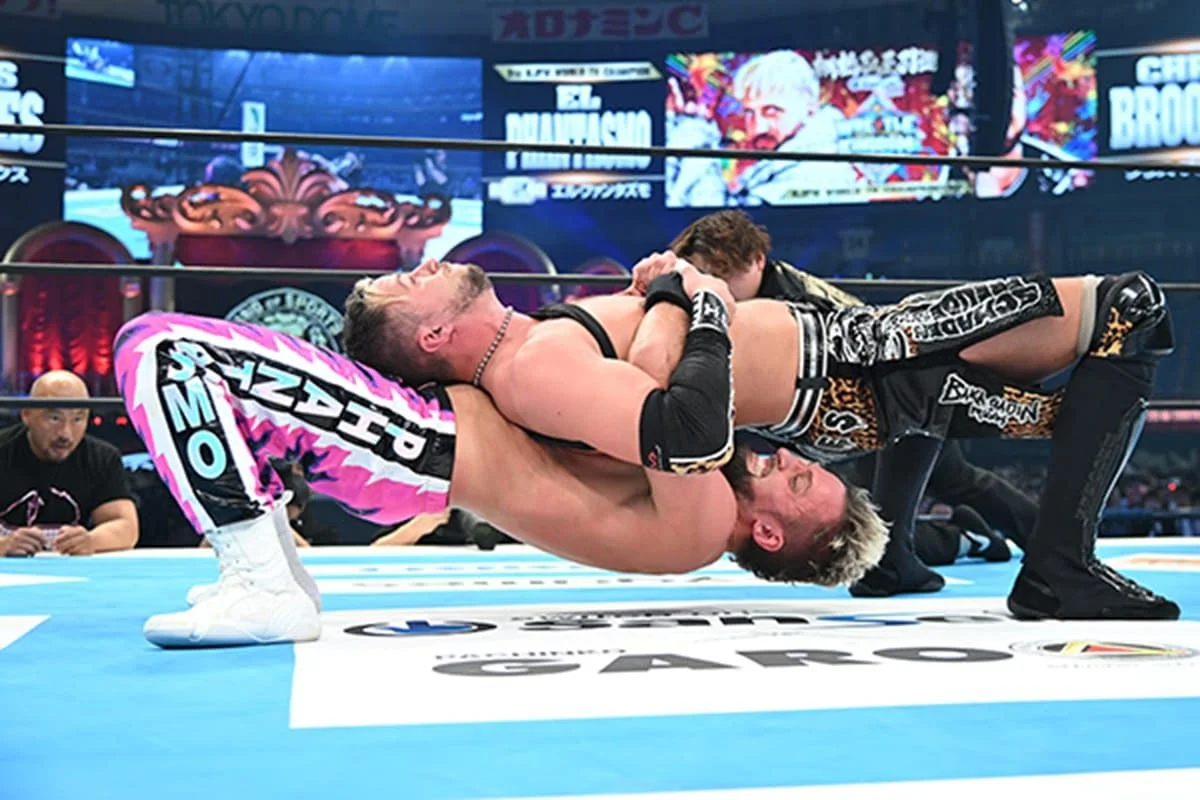
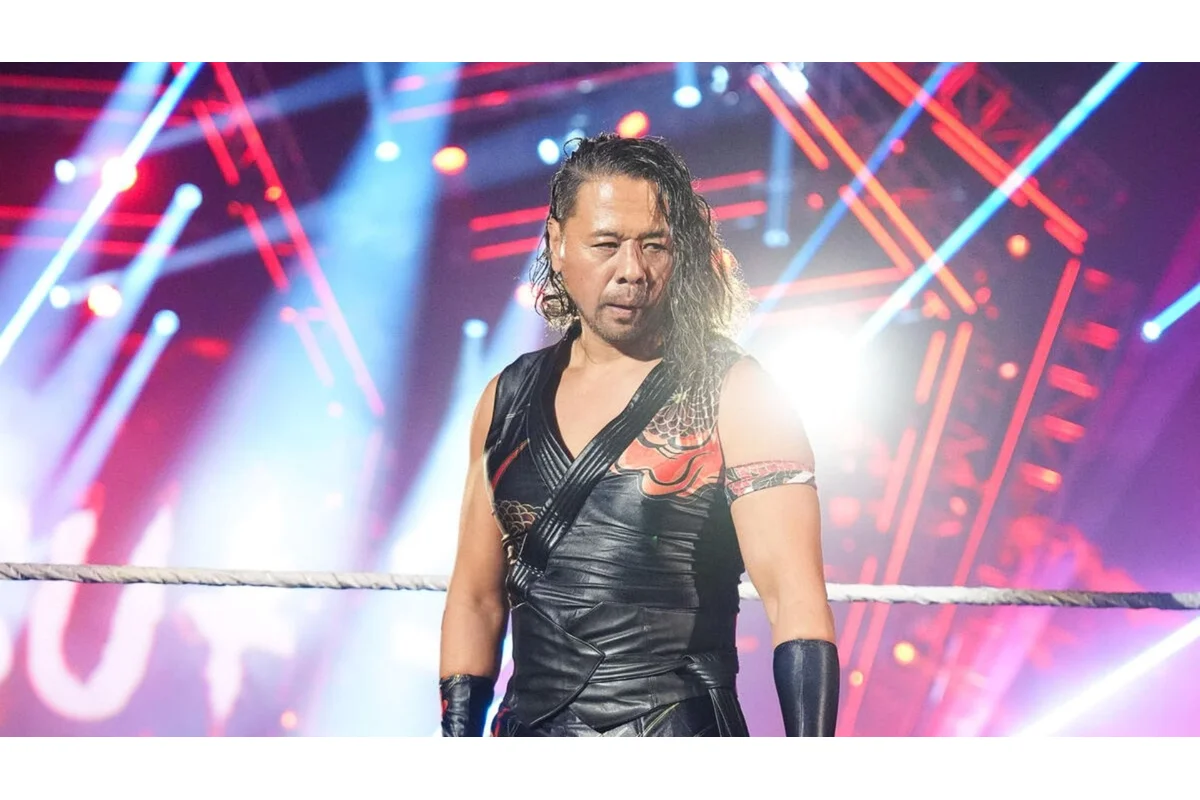
Speculation has intensified over whether WWE prevented Shinsuke Nakamura from participating in Hiroshi Tanahashi’s farewell at Wrestle Kingdom 20, raising debate within wrestling circles about industry politics and cross-promotion disputes. The situation came to light as the Shinsuke Nakamura Wrestle Kingdom Appearance was notably absent during the key celebration, despite fans’ expectations and ongoing collaborative efforts between major wrestling organizations.
Tensions Rise as Tanahashi Bids Farewell
Hiroshi Tanahashi’s final bout at Wrestle Kingdom 20 marked the end of a storied wrestling career. Although anticipation ran high among supporters hoping to see Shinsuke Nakamura as Tanahashi’s last adversary in the ring, the event instead featured AEW’s Kazuchika Okada in that role. Despite New Japan Pro Wrestling maintaining a positive relationship with AEW, fan theories spread that either WWE or AEW’s Tony Khan influenced the choice of opponent—making Nakamura’s absence even more conspicuous.
Following Okada’s victory over Tanahashi, several prominent wrestlers paid their respects in the ring. The roll call included names like The Great Muta, Kenny Omega, Kota Ibushi, Katsuyori Shibata, and Tetsuya Naito. Yet Shinsuke Nakamura, a celebrated star in both WWE and New Japan Pro Wrestling history, was not among those honored participants. Instead, Nakamura managed to acknowledge Tanahashi indirectly—he gave an armband to Konosuke Takeshita, who wore it during his own match as a subtle tribute, allowing Nakamura’s presence to be felt within the Tokyo Dome, if not physically seen.
Industry Voices and Political Barriers
Wrestling analyst Dave Meltzer addressed the topic on Wrestling Observer Radio, expressing frustration at the institutional barriers preventing Nakamura’s involvement in this historic moment. Meltzer emphasized that the split between wrestling promotions has historically kept stars from collaborating during significant farewell ceremonies.
Kota Ibushi left New Japan on the worst of terms, and he was welcomed back. Katsuyori Shibata left New Japan on the worst of terms, and he was let back.This is what really spurred it. Takeshita did an interview; he had an armband on for Nakamura, and they go, “Is that an armband for Nakamura?” He’s like, “Nakamura told me, since he’s not allowed, he wanted me to wear this so it’s kinda like he can be there.” And saying he was not allowed to be there, a lot of people got really upset.Wrestling politics is what it is. There is no period in wrestling history where Nakamura would have been allowed to do this show. That’s not a defence because it tells you just how f*cked up promotional wars are. Obviously, he should have been there. I will say this: I know there are people who will argue this greatly, but Okada proved he should have been the guy in the match. There’s no way Nakamura could have a match this good with [Tanahashi].But Nakamura should have been allowed to be there. I don’t know what the reason was that Nakamura couldn’t be there; the presumption was that WWE would not allow him. AEW let Billy Gunn do the WWE Hall of Fame, they let Jericho do the John Cena tribute thing, and they let Danielson do the John Cena tribute thing. WWE could have let him do the show.
Meltzer noted the return of Kota Ibushi and Katsuyori Shibata to New Japan, despite past complications, contrasting it with WWE’s reported restriction on Nakamura. This fueled dissatisfaction among fans and industry experts alike, many of whom felt that the event’s emotional resonance was lessened by Nakamura’s forced absence.
Tribute Amid Restrictions
Konosuke Takeshita’s gesture of wearing Nakamura’s armband drew attention backstage and among fans. In interviews, Takeshita openly shared that Nakamura approached him with the request, openly stating Nakamura wished for his presence to be recognized since he “was not allowed” at the show. The admission led to a wave of frustration online, with the wrestling community voicing disappointment over the enduring grip of promotional boundaries.
Is that an armband for Nakamura?
Nakamura told me, since he’s not allowed, he wanted me to wear this so it’s kinda like he can be there.
Examining the Roots of the Ban
The situation reflects a broader history where cross-promotional collaboration is rare, particularly involving contracted WWE talent at non-WWE events. Melzer explained that no era in wrestling has permitted such appearances, signaling the ongoing challenges in breaking down corporate barriers.
By drawing comparisons to AEW, which has allowed its wrestlers such as Billy Gunn, Jericho, and Danielson to appear on prominent WWE platforms to honor others, Meltzer’s comments highlighted a perceived double standard. He argued that WWE could have shown similar flexibility by permitting Nakamura’s presence at Wrestle Kingdom.
The Significance for Wrestling’s Future
The controversy over the Shinsuke Nakamura Wrestle Kingdom Appearance underscores persistent limitations placed on talent by promotion-exclusive contracts, even amid growing calls for greater unity in the industry. As established stars and new talent—such as Kenny Omega, Kazuchika Okada, and Kota Ibushi—continue to bridge divides through cross-promotional efforts, wrestling fans and experts remain hopeful for more inclusive moments.
The debate remains intense as speculation about WWE’s motivations continues. The absence of a beloved figure like Nakamura at one of wrestling’s biggest events represents another chapter in the complex relationship between major organizations such as WWE, AEW, and New Japan Pro Wrestling. Whether this incident sparks changes in policy or further entrenches existing divides remains uncertain, but the emotional reaction highlights the resonance such appearances have for fans and the significance of honoring wrestling legends without artificial barriers.

