
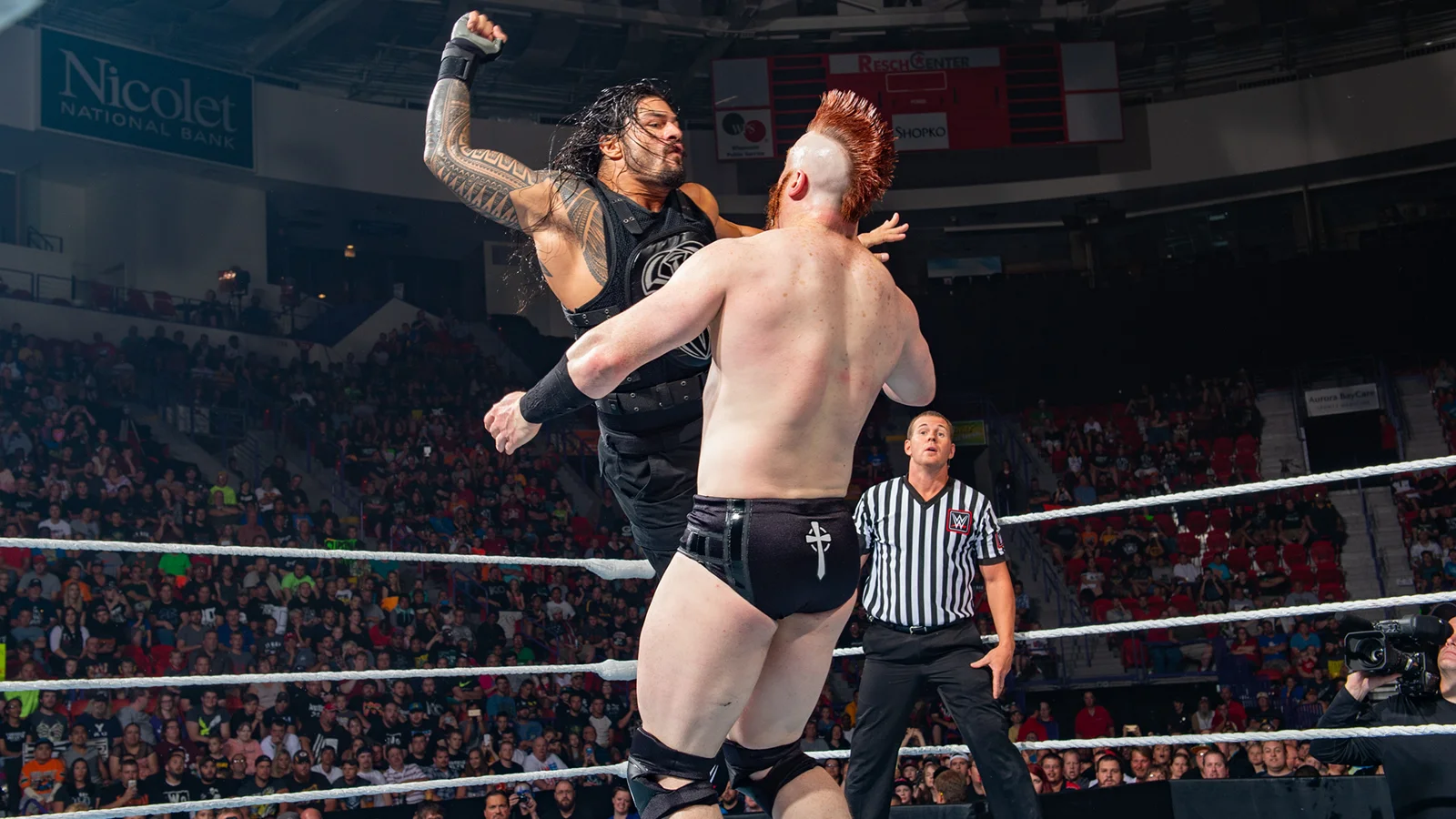
Drew McIntyre has revealed how crucial guidance from WWE Hall of Famer The Undertaker profoundly influenced his wrestling career. During an appearance on Huge Pop! Radio, McIntyre explained that early in his journey with WWE, The Undertaker was assigned as his mentor, providing advice that eventually transformed his approach inside the ring. This mentorship took place when McIntyre was just 24 years old, marking a pivotal moment in his development as a professional wrestler.
Understanding the Core of “Being the Wrestler”
McIntyre shared one particular piece of advice from The Undertaker that has stayed with him over the years: the need to
“stop playing the wrestler and be the wrestler.”
At first, McIntyre found this concept confusing, thinking he was already living up to the role as a competitor in the ring.
“When I was 24, he [Undertaker] was my mentor. Vince [McMahon] put him in charge of me, and I’d ask for advice. I’d be talking in riddles or whatever, and the big one that always stuck in my mind was: ‘Stop playing the wrestler and be the wrestler.’”
—Drew McIntyre
He reflected on the difficulty of fully grasping the advice at such an early stage.
“I thought, ‘I’m in a wrestling ring, I’m doing wrestling, how am I not being a wrestler? I’m so confused right now.’ It took years for the light bulb to go off. I told him last week when I saw him that I wished I’d had the same wrestling IQ back then that I have now. We could talk like peers now, but at the time I just had no idea what he was talking about.”
—Drew McIntyre
The Importance of Authenticity in Wrestling Success
McIntyre emphasized that success in wrestling often hinges on authenticity rather than simply performing athletic moves. He observed that many wrestlers merely “play” their role, which might entertain audiences to a degree but falls short of creating real emotional investment.
“That’s the thing, a lot of people go out there and just play wrestler. People watching might see them do pretty moves and think, ‘I enjoy watching this guy’ or ‘I enjoy watching this girl.’ They enjoy the performance aspect, but they’ll never get truly emotionally invested unless the performer is present, knows who they are as a character, and is selling the story, emotion, and action they want to convey during that match, that segment, whatever direction they’re going.”
—Drew McIntyre
He argued that embodying one’s character fully is essential for reaching the upper echelons of professional wrestling, and the absence of this connection can make any success fleeting or fragile.
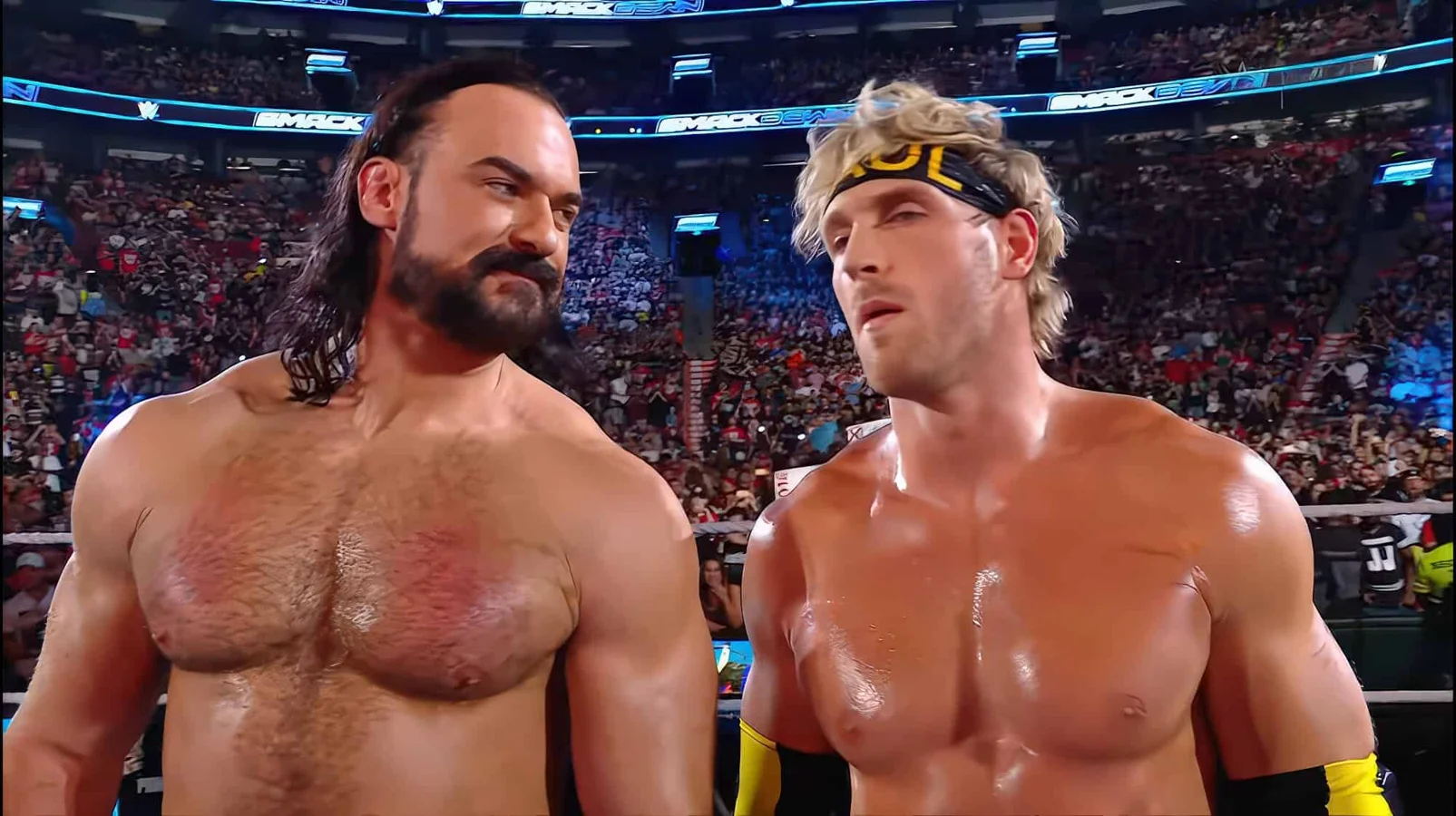
“If you can’t fully embody that character and be the wrestler instead of playing the wrestler, you’re never truly going to make it to the main event scene. And if you do make it because you’re such a freak athlete, you’re one injury away from not being able to do the stuff that got you this reaction [polite claps] instead of this reaction [deep emotional connection].”
—Drew McIntyre
Connecting with Fans Beyond Physicality
For McIntyre, the ultimate achievement in wrestling transcends applause and spectacle. He stressed the goal of stirring both the hearts and minds of the audience to secure genuine support and lasting recognition.
“Clapping is one thing, but making people feel with their heart and think with their head is another. That’s when you truly get over and make waves.”
—Drew McIntyre
This perspective reveals McIntyre’s commitment to evolving as a performer who connects on a deeper level with fans, driven by lessons learned from one of the most iconic figures in wrestling history. His journey highlights the profound impact mentorship and mindset can have in transforming raw talent into enduring success within WWE’s competitive environment.

