
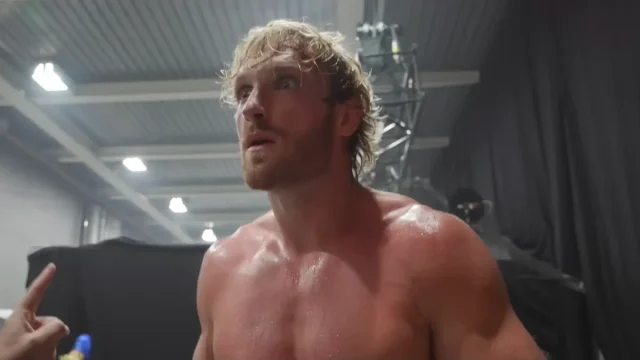
Wrestler and internet personality Logan Paul made headlines after selling a rare Pokémon card for $16.5 million, a figure that attracted widespread attention as well as skepticism. The collectible was previously linked to an NFT sale, specifically a fractionalized ownership offer on the now-defunct Liquid Marketplace, drawing concerns about the legitimacy and structure of such deals.
In 2022, Paul attempted to sell 51% ownership of the Pikachu Pokémon card through fractional NFTs but managed to sell only 5.4%, raising approximately $270,000 before repurchasing the stake in May 2024. The marketplace’s shutdown left users unable to withdraw their funds until Paul reportedly intervened to restore operations and facilitate refunds.
Critics Question NFT Ownership and Tokenization Methods
Gabriel Shapiro, general counsel at Delphi Labs, criticized the sales approach on social media, calling it “slop tokenization” where the token is merely associated with an asset without granting actual ownership rights. This skepticism highlights ongoing issues within the NFT space regarding how digital ownership is represented and enforced.
Users expressed distrust in the process, accusing Paul of orchestrating a scheme, part of broader dissatisfaction with his previous NFT purchases. Notably, Paul faced backlash for buying an Azuki NFT for $623,000 in 2021, which has since plummeted to a value of $155, provoking further debate over the integrity and value of NFT investments.
Wider Cryptocurrency Market Experiences Volatility
Amid this NFT controversy, the cryptocurrency market showed signs of instability. Bitcoin hovered around $68,000, slightly down by 1.4% in the previous day, while Ethereum slipped below $2,000 to $1,971. Retail investor sentiment around these leading cryptocurrencies leaned bearish, with a notable lack of trading enthusiasm.
The overall cryptocurrency market capitalization declined by 1% to approximately $2.4 trillion, with liquidation figures reaching about $220 million. These developments underscore a challenging period for digital assets and add additional pressure on NFT ventures that rely on confidence in the crypto economy.
Implications for NFT Market and Future Prospects
The ongoing difficulties facing the NFT market, marked by a 26% drop in total valuation over the past year and losses exceeding $210 billion from its peak, suggest significant headwinds. Logan Paul’s high-profile Pokémon card sale and the surrounding controversies reflect broader uncertainties about NFT ownership models and investor protections.
As the market continues to grapple with these issues, further scrutiny of NFT fractionalization practices is likely, and buyers may grow increasingly cautious. How platforms and creators address these challenges will influence the next phase of NFT adoption and trust among collectors and traders alike.
“The Logan Paul Pikachu NFT fractionalization fiasco is a classic case of slop tokenization, the token is basically just ‘juxtaposed’ with property but has no rights to it” – Gabriel Shapiro, general counsel at Delphi Labs
the logan paul pikachu NFT fractionalization fiasco is a classic case of "slop tokenization"–the token is basically just 'juxtaposed' with property but has no rights to it
maybe read the ToS, listen to my warnings, & stop FOMOing into "legal scams" pic.twitter.com/pOfchXX8d3
— _gabrielShapir0 (@lex_node) February 16, 2026
What an epic night. I’m truly grateful for the Pokémon community, Ken Goldin, and my team for making last night a historic moment for the hobby.
To address concerns regarding the ownership history of the card, now for the facts:
I had originally offered to sell up to 51% of the…
— Logan Paul (@LoganPaul) February 16, 2026
https://t.co/BmzhTj2yRF pic.twitter.com/NhaEXgRel6
— Watcher.Guru (@WatcherGuru) February 16, 2026
YouTuber Logan Paul purchased this NFT for $635,000 in 2021.
Today, it's worth $155. pic.twitter.com/UnCN4nn2pi
— Watcher.Guru (@WatcherGuru) February 15, 2026

