
Paul Heyman‘s legendary wrestling win-loss record in WWE stands as a surprising statistic in professional wrestling, given his long career both inside and outside the ring. Known for his roles as promoter, manager, commentator, and creative force, Heyman’s forays into actual matches have produced a record that shocks even long-time fans.
A Start in WCW: Early Struggles in the Ring
Before becoming synonymous with WWE, Paul Heyman, then performing as Paul E. Dangerously, entered World Championship Wrestling at just 23 years old. Despite his reputation as a master talker and top heel manager, his time in WCW’s ring was fraught with losses and unconventional matchups. His debut came at 1989’s NWS Chi-Town Rumble in a Loser Leaves Town tag team contest. Teaming with Jack Victory and Randy Rose against Jim Cornette and The Midnight Express, Heyman’s side came up short, in a classic example of wrestling theatrics where departures are rarely permanent.
Later that year at the Great American Bash, Heyman faced rival Jim Cornette in a Tuxedo Street Fight, which required competitors to strip each other of tuxedos to claim victory. Once again, Cornette prevailed. In 1991, Heyman, alongside Arn Anderson, suffered a defeat in a mixed tag team match against Missy Hyatt and Rick Steiner. Yet at the 1992 Clash of Champions, Heyman managed a rare non-loss, holding Madusa to a time-limit draw—his only instance in WCW where he avoided outright defeat. Notably, during his WCW years, Heyman led the Dangerous Alliance, often using his vocal skills to get his character into and out of trouble, establishing the bombastic style he would bring to future roles.
Transition to WWE: Manager, Commentator, and Occasional Competitor
When ECW closed its doors, Heyman joined WWE in 2001 and became a heel commentator next to Jim Ross during Jerry Lawler’s brief departure. However, his return to ringside action wasn’t far off. In 2002, as manager and advocate for Brock Lesnar—one of WWE’s most dominant new talents—Heyman technically recorded a victory: during Judgment Day, he got the pin on Jeff Hardy after Lesnar’s F-5, earning one of the most improbable wins of his career.
Five months later at Rebellion, Lesnar and Heyman faced Edge in a two-on-one handicap match. After Lesnar secured victory, Heyman, showing typical bravado, was confronted by Edge and suffered a retaliatory attack. Over the next three years, Heyman was occasionally thrust into matches, though rarely with success. He faced Lesnar in a steel cage match on SmackDown in 2003 after a storyline betrayal, a brief bout that saw intervention from Kurt Angle and ended in defeat for Heyman. Subsequent appearances resulted in no-contests or losses, as with his clash against Eddie Guerrero—where interference from Angle disrupted the finish—or the memorable handicap match where Heyman, with Heidenreich, could not overcome The Undertaker, ultimately being Tombstoned and rolled into a casket for effect.
Heyman’s brief foray into WWE’s version of ECW in the mid-2000s included a rare singles victory over Sabu, thanks to outside interference from Big Show, and a tag team match alongside Big Show itself that ended without decision. His win-loss record during this era only added to the unusual, almost comedic nature of his in-ring involvement.
A High-Profile Rivalry: Clashes with CM Punk in 2013
Paul Heyman’s final sequence of matches came in 2013 during his storyline feud with CM Punk—a wrestler he previously managed before a dramatic split. Attempting to launch a new Paul Heyman Guy in Curtis Axel, he participated in a two-on-one handicap elimination no-disqualification match at Night of Champions. Despite enduring a brutal beating with a kendo stick, Heyman benefited from Ryback’s interference, who smashed Punk through a table and allowed Heyman to score another unlikely pinfall.
This rivalry continued with a handicap match on SmackDown, in which Heyman and Ryback faced an enhancement talent meant to represent Punk, as well as a climactic bout inside Hell in a Cell. There, alongside Ryback, Heyman ultimately succumbed to Punk, who tracked him atop the cell to deliver a final, punishing kendo stick attack. Following this, Heyman’s days as an in-ring combatant ended, and while he would occasionally absorb physical retribution in storylines, he largely refrained from risking his surprising record any further.
How Paul Heyman’s Record Compares—and Why It Shocks
Across the decades, Paul Heyman’s legendary wrestling win-loss record in WWE and earlier promotions defies expectations, especially given his role as a manager and creative mind rather than a typical wrestler. In WCW, he failed to secure any actual wins, suffering multiple creative defeats. In WWE, astonishingly, he managed to participate in high-stakes matches alongside or against some of wrestling’s most famous figures, notching only a handful of victories—most thanks to interference or the advantage of handicap arrangements.
Few managers in the industry have willingly stepped into the ring with such frequency or notoriety, and fewer still have managed to walk away with memorable upsets, as Heyman did—most famously, over Jeff Hardy and CM Punk, courtesy of dominant partners like Brock Lesnar and Ryback. While not remotely comparable in totals to legendary in-ring performers like The Undertaker or Roman Reigns, Heyman’s record is nonetheless historic for its sheer improbability and the entertainment value it delivered with every twist and ambush.
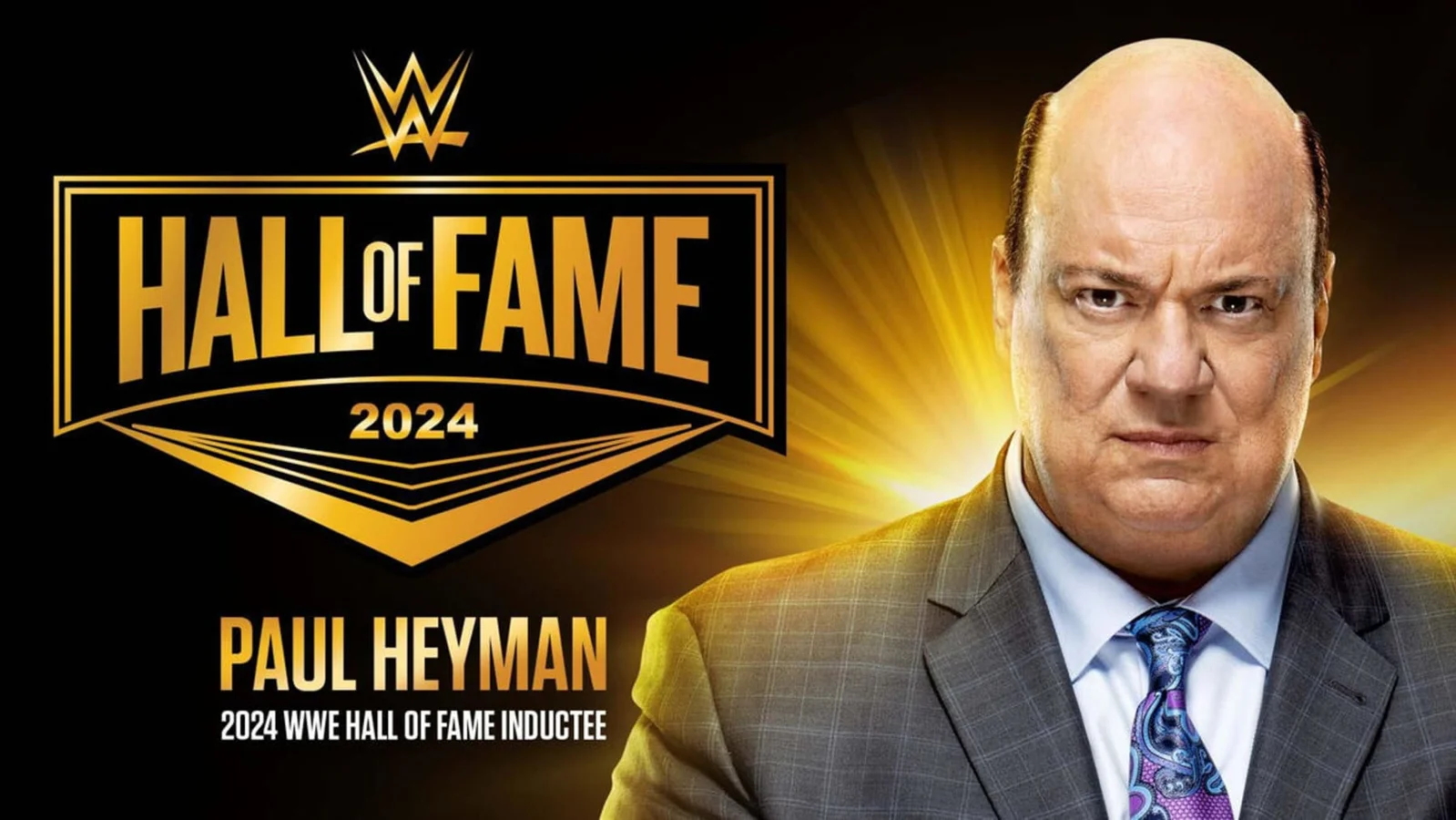
Now enshrined as a WWE Hall of Famer and ever-present “Wise Man” at the side of stars such as Roman Reigns and Seth Rollins, Paul Heyman has cemented his place in wrestling history, not just for his management acumen but for a record in the ring that, despite few victories, continually surprised fans and colleagues alike. As the lines between manager and competitor blurred in Heyman’s career, his journey reflects wrestling’s unpredictable narratives and the enduring impact of its most audacious personalities.

