
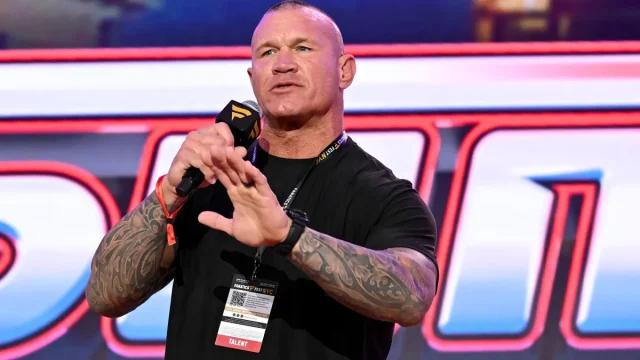
Randy Orton recently expressed his conflicted views on the death of kayfabe within WWE, acknowledging that while he understands why the traditional illusion has faded, he deeply dislikes the change. Speaking ahead of his scheduled appearance at the 2026 WWE Elimination Chamber event, Orton highlighted the tension between appreciating kayfabe as a storytelling tool and accepting its decline in modern wrestling.
During his conversation on The Pat McAfee Show, Pat McAfee echoed a similar sense of frustration. McAfee, who initially felt compelled to participate in WWE: Unreal, a show that revealed behind-the-scenes wrestling realities, now finds the exposure a double-edged sword. He remarked,
“It’s kind of like a double-sided thing here.”
?Pat McAfee, WWE Personality
When directly questioned about his stance on breaking kayfabe, Orton’s answer varied with his mood. He confessed,
“It’s hard. It depends on the time of day you ask me. I think, like you, at first I thought, ‘This is terrible!’ Because there was a day and age where if you were working with a guy — I’m a bad guy and he’s a good guy — we might be bros, but we’re not going to ride together, even though we might want to. We’re not going to be seen in public together, certainly not in the town we’re wrestling in.”
?Randy Orton, WWE Superstar
Orton then summed up the broader reality of the industry’s shift:
“Kayfabe is dead. Yeah. Kayfabe’s dead. This is entertainment. We’re all Superstars. I understand it, and I also hate it. And I understand it. I think it’s necessary. I think bringing in the crossover audience helps. So I think it makes sense to me that it’s a thing, but that doesn’t mean I have to like it.”
?Randy Orton, WWE Superstar
Legacy and Wrestling Roots of Randy Orton
As a third-generation wrestler, Randy Orton carries a rich family legacy, following in the footsteps of his grandfather Bob Orton, Sr., his father “Cowboy” Bob Orton, and his uncle Barry Orton. This deep historical connection to professional wrestling informs his perspective on the dramatic changes seen in the industry, particularly in the erosion of kayfabe traditions.
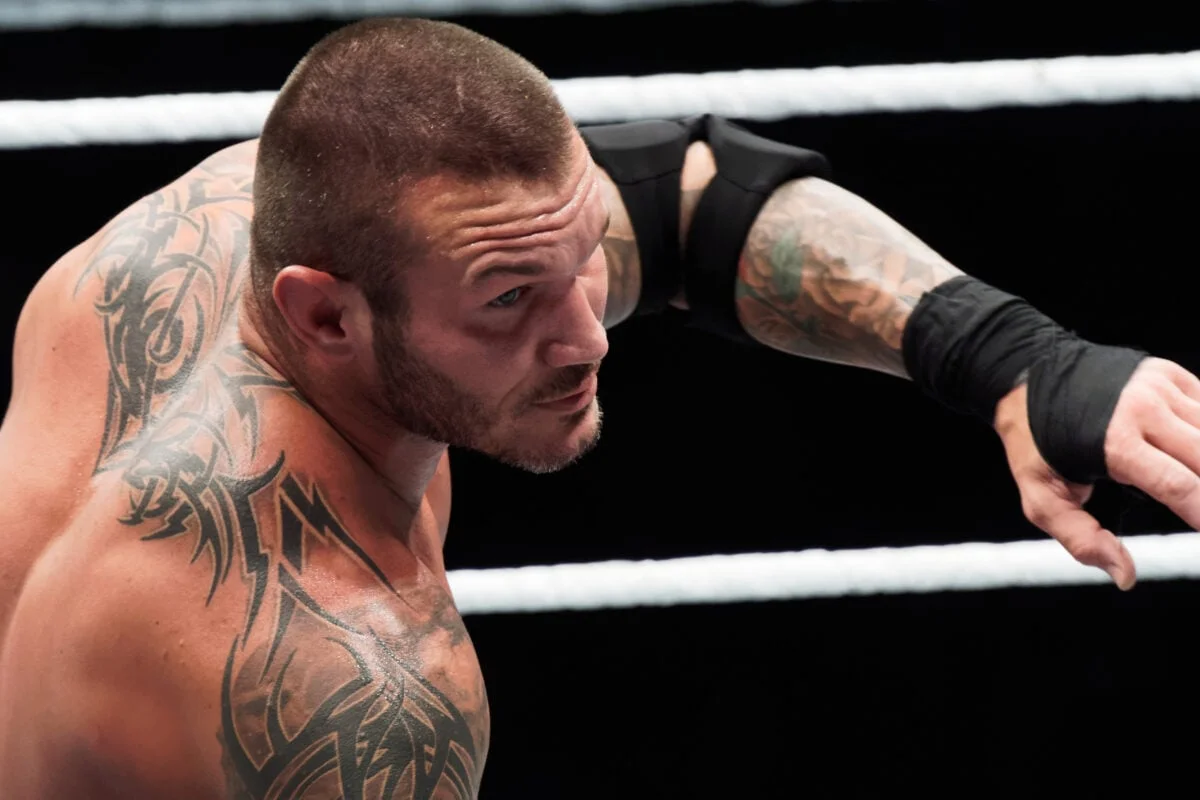
The Broader Impact of Kayfabe’s Decline on WWE and Fans
Kayfabe, the long-standing convention of maintaining scripted wrestling storylines as real within the wrestling world, has steadily disappeared in recent years. This shift has led to more transparency about wrestling’s scripted nature, altering how fans and wrestlers interact with the product. While this has opened the door to attracting a wider crossover audience, it also has left some performers, like Orton, feeling nostalgic and uneasy about losing the mystique that once surrounded their roles.
For many wrestlers, maintaining kayfabe created in-ring and off-screen boundaries that preserved the drama and rivalry for audiences. Now, with social media and reality-based programming exposing behind-the-scenes details, the emotional investment can feel diminished, challenging performers to adapt to evolving fan engagement.
Future Outlook for WWE and Kayfabe’s Role
Randy Orton’s conflicted feelings highlight a key moment of transition within professional wrestling. While he recognizes that the end of kayfabe is aligned with WWE’s broader entertainment goals and business strategies, he also mourns what has been lost. The balance between preserving storytelling illusions and embracing modern transparency remains a delicate issue for the industry.
As WWE continues to evolve, the conversation around kayfabe’s place in wrestling culture will likely persist, shaped by both fan expectations and wrestler experiences. Orton’s perspective as a seasoned superstar and scion of a wrestling dynasty gives weight to ongoing debates about how to best honor wrestling’s past while moving forward into new forms of entertainment.

