
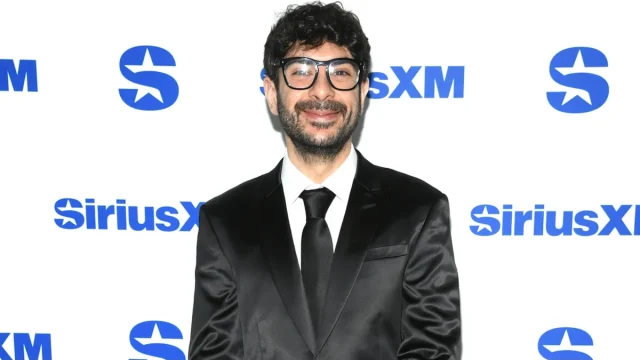
Tony Khan has directly addressed ongoing speculation about creative decision-making in All Elite Wrestling, making it clear that while AEW talent are invited to contribute, ultimate creative authority remains with him. This clarification comes after more than a year of rumors regarding backstage influence and follows high-profile signings that brought added scrutiny to AEW’s creative structure.
Speaking on the Battleground Podcast, Tony Khan outlined how the AEW creative process operates more as an open forum than a democracy, ensuring opportunities for wrestlers, coaches, and producers to present concepts and storylines. Khan emphasized, however, that the focus keyword—Tony Khan creative control—means decisions are measured against factors such as timing, weekly television pacing, and long-term story arcs, with Khan himself having the final say on what appears on AEW programming. This centralized approach, he explained, helps balance collaborative input with the need for cohesive storytelling across the company’s major broadcasts and pay-per-view events.
Khan’s Approach to Collaborative Storytelling
Tony Khan explained that AEW’s environment welcomes suggestions and creative pitches from all corners of the roster and production team, including talent, coaches, and producers. This collaborative space, compared to a workshop, allows many strong ideas to surface, but not every proposal fits the overarching narrative or logistical requirements of weekly wrestling television. According to Khan, the company weighs each idea, assessing fit within the evolving match calendar and long-term plans, a process he believes strengthens AEW’s creative output when managed consistently.
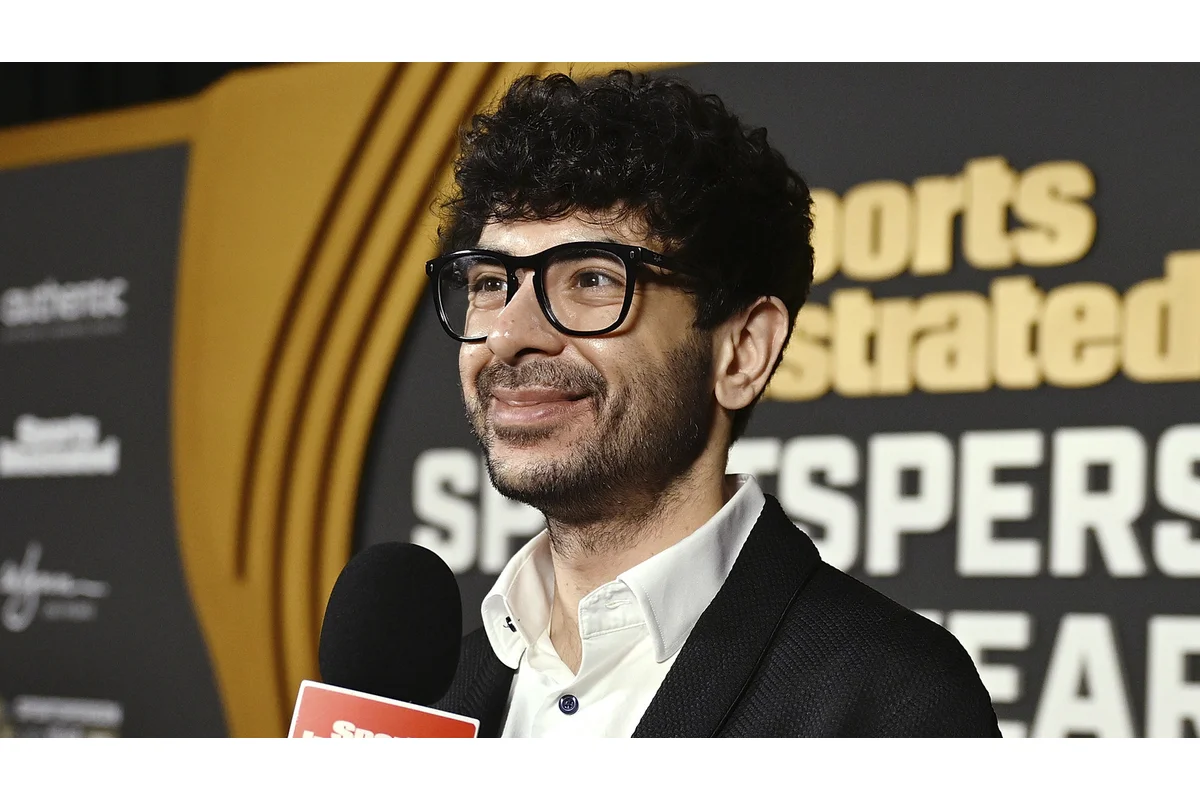
Addressing Controversy Around Star Power and Authority
The discussion takes on added importance given last year’s controversy linked to Mercedes Moné, whose signing sparked claims she had received exceptional creative leverage in AEW. Although Khan didn’t mention any names directly, he firmly dispelled the notion that any performer—regardless of reputation or popularity—can dictate company storylines on their own. Instead, he reiterated that AEW’s philosophy centers on guided input rather than creative independence for any individual. This echoes historic situations in wrestling, such as Hulk Hogan’s contract with WCW and Shawn Michaels’ influence during his time in WWF, where confusion over creative authority sometimes impacted locker-room dynamics and fan trust.
How AEW’s Structure Compares to Wrestling History
The conversation about creative control is not new to wrestling fans or industry veterans like Cody Rhodes, Drew McIntyre, and Chris Jericho, whose names are often attached to discussions of influence within their respective organizations. In AEW’s case, Tony Khan’s clarification distinguishes the company from promotions where major stars have historically had a more direct hand in crafting their storylines. By reaffirming his own leadership, Khan aims to preserve a streamlined storytelling process, minimizing abrupt changes that can result from shifting backstage politics.
For fans, understanding this structure is essential to interpreting sudden developments in AEW storylines—such as when a story takes an unexpected turn or a planned angle disappears from television. Rather than signaling a wrestler’s loss of status or a behind-the-scenes dispute, these creative pivots reflect the needs of centralized booking and larger company strategy. Khan’s comments hint at a deliberate effort to avoid the inconsistencies that sometimes plagued prior wrestling organizations, making it clear that openness to talent suggestions does not equate to unregulated creative ownership.
Why Clarity on Creative Direction Matters for AEW
Khan’s firm stance signals that AEW wants to sidestep the damaging uncertainties that emerged in WCW and WWF, where blurred lines of authority occasionally eroded storytelling quality. Today, fans can expect that creative proposals—even from headline names like Mercedes Moné or long-established stars—are evaluated for fit within AEW’s overall vision. This method supports the company’s reputation for fresh, engaging storylines while reducing the risk of personal ambitions disrupting ongoing feuds or major title scenes.
Going forward, as AEW continues to evolve with new talent and shifting roster dynamics, Tony Khan’s creative control ensures the company can adapt storylines quickly to address changing circumstances, both on screen and behind the scenes. By maintaining a balance between collaborative energy and clear decision-making, AEW positions itself to deliver compelling wrestling narratives that honor both talent input and organizational coherence.

