
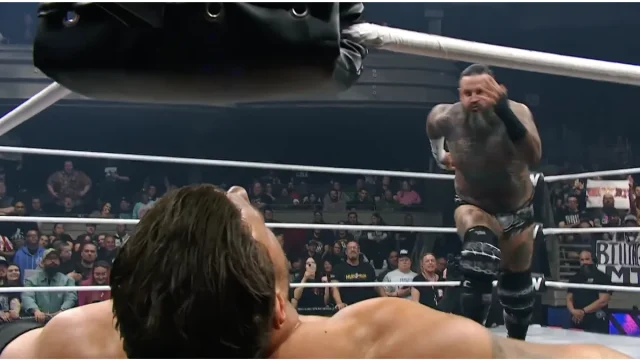
Brody King was not featured on the February 11 episode of AEW Dynamite because of a high-level decision by Warner Bros. Discovery (WBD), AEW’s television partner, rather than a choice by AEW’s president Tony Khan. The network acted to prevent any further broadcasts of the anti-ICE chants that occurred during a previous show in Las Vegas, seeking to avoid political backlash during its ongoing acquisition by Netflix.
The Wrestling Observer revealed that WBD was concerned about the potential repercussions of the “F**k ICE” chants, especially given that the company needs regulatory approval from the Trump Administration for the merger. This corporate directive effectively removed King from the spotlight following his impressive victory over MJF, which had attracted significant attention due to the chant controversy.
Impact of WBD’s Intervention on AEW Storylines
King and MJF, who had been central to building tension for their AEW World Title match at the upcoming Grand Slam Australia event, were notably absent from this episode’s live confrontation. In their place, viewers were shown a pre-recorded video segment instead of the expected in-ring interaction. While many AEW insiders welcomed the mainstream exposure from the chants, WBD’s executives adopted a more cautious approach to avoid aggravating U.S. political figures during the critical merger negotiations.
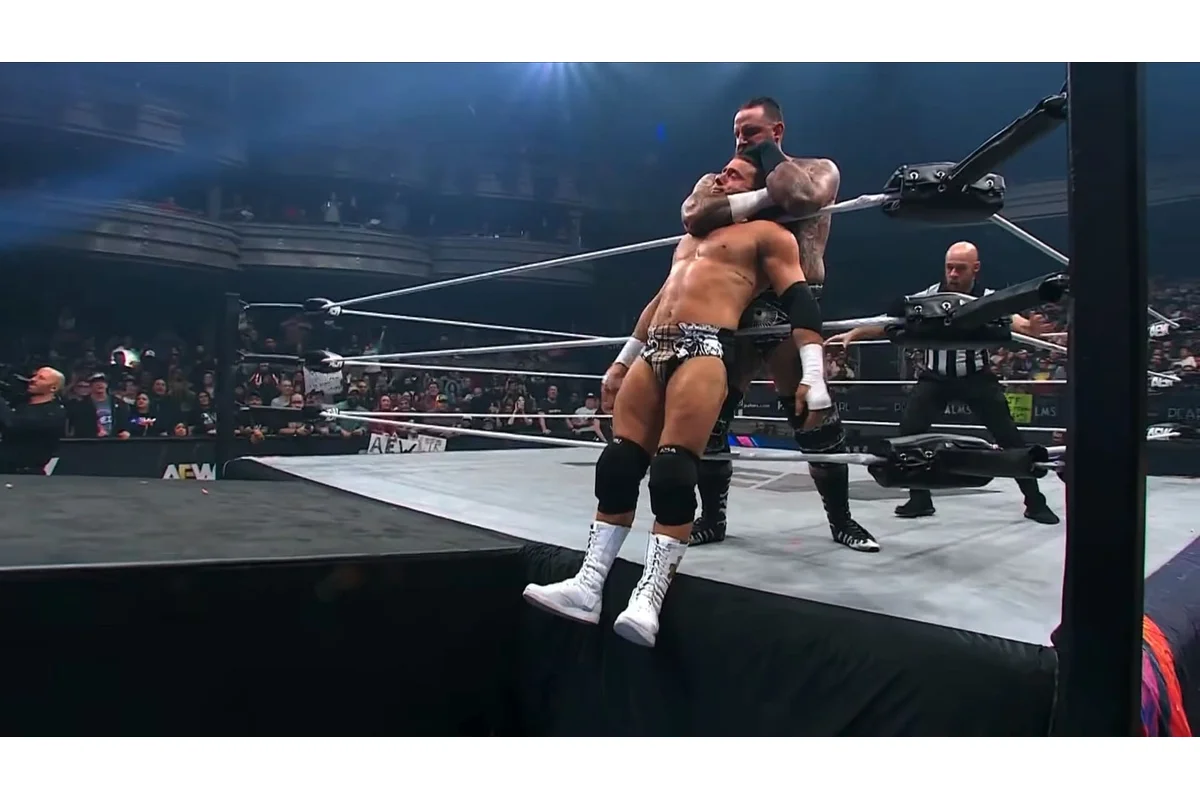
Heidenreich’s Unexpected Return to Public Attention After Two Decades
Separately, longtime wrestling veteran Heidenreich has regained public interest 20 years after his WWE release in 2006. A social media post by fan Wade Stratton, recounting a chance encounter with Heidenreich while he was stocking shelves, has gone viral. Stratton shared that Heidenreich spoke about his wrestling career, which included matches against icons like The Undertaker, Booker T, Steven Regal, The Rock, and meeting Steve Austin during his debut.
“So I’m at work last week and there is an older gentleman stocking, we would always say ‘hey’ in passing , the other day he was like ‘did you ever watch WWE?’ I was like ‘as matter of fact I used to watch it all the time’”
– Wade Stratton, Fan
“Then dude said ‘Yeah, I used to be a wrestler, I’ve wrestled The Undertaker, Booker T, Steven Regal, The Rock, I met Steve Austin at his debut match, Used to hang out with Triple H and Trish Stratus’”
– Wade Stratton, Fan
Heidenreich primarily competed on WWE’s SmackDown brand between 2003 and 2006, engaging in prominent storylines against The Undertaker and top-tier wrestlers such as Booker T. He also held the WWE Tag Team Championship with Road Warrior Animal in 2005 before his eventual release. His career was marked by controversial angles, including an infamous segment involving Michael Cole.
Significance and Future Consequences for AEW and Broadcasting
WBD’s intervention highlights the complex intersection of professional wrestling, corporate interests, and the prevailing political climate in the United States. The removal of Brody King over politically sensitive chants demonstrates how external corporate pressures can influence creative decisions in wrestling entertainment.
As AEW continues to grow its audience, this incident underscores the challenges the promotion may face in balancing its edgy content with the demands of its broadcast partners. With the WWE star Heidenreich’s sudden resurgence reminding fans of wrestling’s evolving legacy, the industry appears poised for continued tension between artistic expression and corporate governance.

