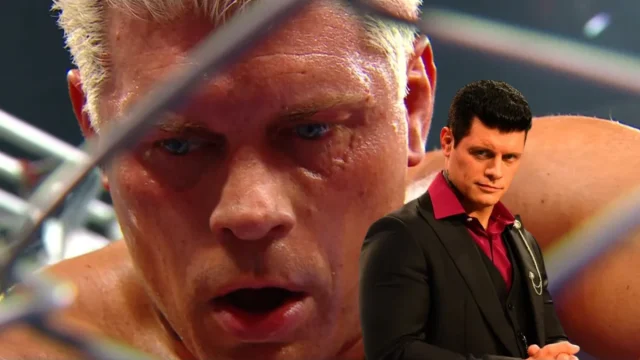
Following his headline victory at WrestleMania XL, discussions about a possible Cody Rhodes heel turn have swept through the WWE Universe. With “Cody Rhodes heel turn” as the focal point, experts and fans are debating if this shift is what WWE needs right now or if it would actually harm the company’s current momentum.
The speculation only grew after Cody lost the Undisputed WWE Championship to Drew McIntyre. Despite the appeal of evolving his character, many believe that making Cody a villain at this point could cause bigger problems for SmackDown and WWE as a whole.
SmackDown’s Need for a Top Hero
SmackDown currently lacks a strong lineup of main event good guys, with experienced names like Randy Orton and Sami Zayn supporting the roster but not leading it. Right now, Cody Rhodes serves as the show’s primary heroic figure—holding the position as the central force around whom storylines revolve.
If the creative team decides to make Cody the villain, this would leave a notable void. There are few rising stars in the mid-card who are ready to fill that leadership role and drive the brand forward, potentially causing viewership and engagement to drop.
Opportunities for New Villains
Keeping Cody Rhodes in his established, honorable persona allows others to explore the dark side of wrestling. Wrestlers like Ilja Dragunov and Damian Priest have already shown signs that they could excel as villains, as each possesses an intensity that fans find compelling in an antagonist.
With Cody maintaining his “White Knight” status, he serves as an ideal target for rising heels who need to establish themselves. This dynamic would be lost if Cody himself turned heel, and the resulting storylines with multiple villains could confuse and disinterest the audience. Cody’s current position gives newer villains someone to chase and a backdrop against which to shine, ensuring fresh narratives and rivalries for the future.
The Marketing Power of a Babyface Cody Rhodes
Cody Rhodes has naturally become the face of WWE’s current era, much like John Cena before him. He is featured in mainstream video games like Call of Duty and Fortnite, and his merchandise sales speak to his popularity across a wide age range—particularly with children, who form a crucial demographic for WWE’s long-term growth.
The American Nightmare’s signature elements, from his entrance attire to his on-screen presence, are highly marketable. In the post-John Cena landscape, WWE has found someone who can handle public appearances, Make-A-Wish Foundation events, and global branding campaigns. Turning him into a villain for short-term excitement would put all of that at risk, as the company’s relationship with sponsors and young fans relies on Cody’s positive image.
A Path Toward a New Generational Icon
For years, WWE has searched for a performer who could step into John Cena’s shoes as the unwavering hero who inspires both the roster and the audience. Efforts with Roman Reigns only succeeded after he embraced a villainous role, proving how difficult this transition can be. Cody Rhodes, however, seems to have achieved this naturally, embodying the classic wrestling hero archetype.
He consistently delivers impassioned promos that resonate with fans and promote a sense of doing what’s right. Cody’s ability to provide hope and guidance echoes the influence John Cena had in his era. Leaving him as a babyface ensures that the current and next generation of WWE talent have a role model, while also keeping the brand’s legacy intact. Turning him heel now could derail a legacy that is still being built and rob WWE of the iconic figure it has finally found in Cody Rhodes.
The debate around a Cody Rhodes heel turn remains intense, but the risks—from weakening SmackDown’s main event scene, disrupting marketability, and endangering long-term storytelling—make a villainous shift for Cody a high-stakes gamble. As WWE focuses on the future, keeping The American Nightmare as its shining beacon appears to be the safer bet for sustained success.

