
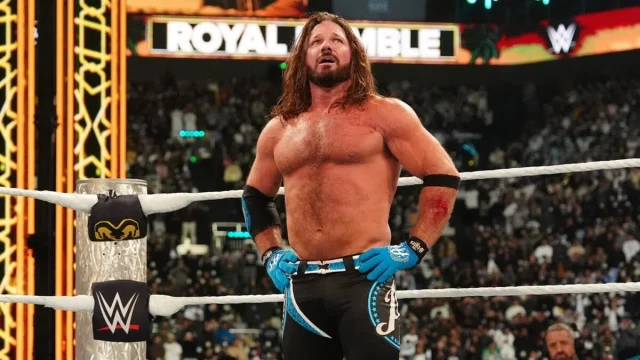
AJ Styles officially retired from WWE at the Royal Rumble last month, but his original plan for retirement was different. In a recent WWE blog post, Styles disclosed that he had intended to conclude his wrestling career after WrestleMania 41. However, an injury forced him to adjust those plans and retire earlier than anticipated.
Impact of Injury on Retirement Timing
The unforeseen injury played a major role in accelerating Styles’ decision to retire at the Royal Rumble instead of waiting for WrestleMania. As a former World Champion, Styles had been preparing to end his in-ring career on a high note at WrestleMania 41, but physical setbacks left him no choice but to step away sooner.
Context from WWE’s Recent Events and Talent
This revelation about Styles’ retirement coincides with a series of significant WWE storylines and developments. For example, Cody Rhodes opened the latest WWE SmackDown episode before being targeted by Jacob Fatu, while the WWE Champion, Drew McIntyre, had a notable presence despite questions over his schedule. Other top performers like Bianca Belair and Raquel Rodriguez have also been dealing with injuries and shifts in their roles within WWE.
Additionally, outside WWE, AEW stars such as Swerve Strickland and Jon Moxley continue to engage in high-stakes matches, maintaining intense rivalries that reflect the competitive landscape of professional wrestling. The ongoing physical demands of these athletes further highlight how injuries can abruptly impact career plans, as seen with Styles.
What AJ Styles’ Retirement Means for WWE’s Future
AJ Styles’ forced early retirement underscores the unpredictable nature of professional wrestling careers, where injuries can drastically reshape long-term plans. His decision to retire at the Royal Rumble, rather than WrestleMania, marks the end of an era for a talent who has influenced the WWE landscape. It also raises questions about how WWE will fill the void left by such a prominent figure.
Fans and peers alike will be watching closely as WWE adapts to this change, while Styles’ legacy serves as a reminder of the physical toll wrestling exacts on its performers. Moving forward, WWE’s roster dynamics and storyline directions are certain to evolve in response to his departure.

