
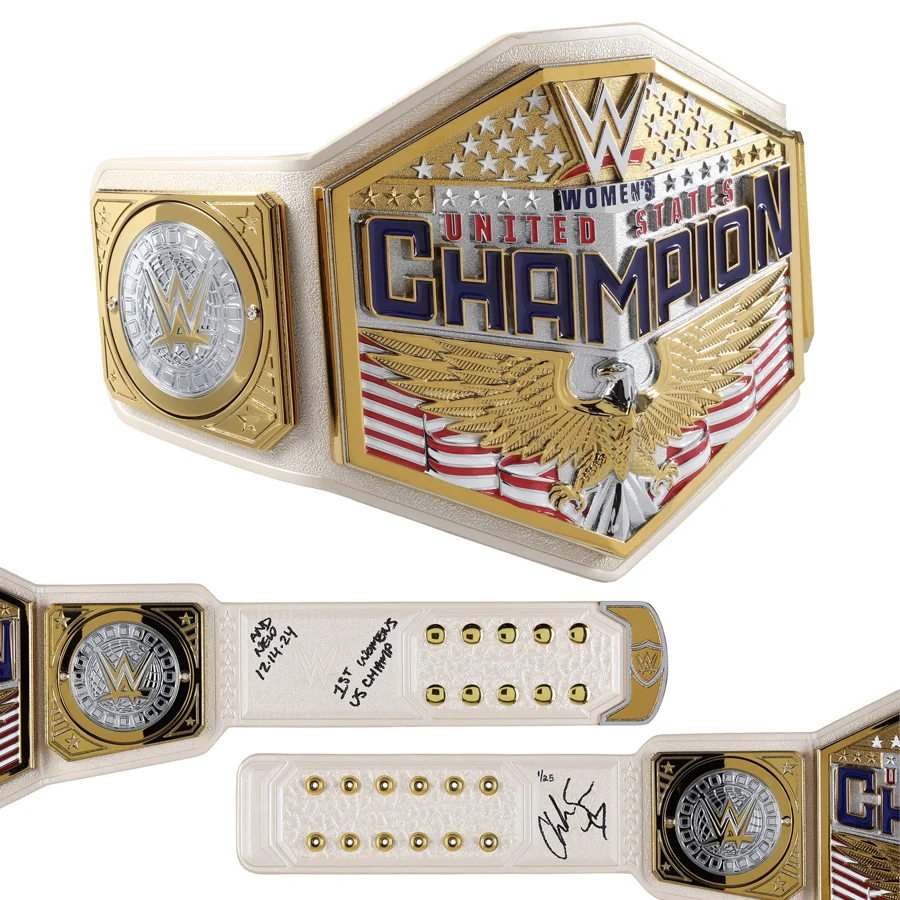
Late last year and earlier this year, WWE launched the new Women’s United States and Intercontinental Championships as part of expanding its women’s division. Chelsea Green, the first Women’s US Champion crowned on December 14 during Saturday Night’s Main Event, recently shared her views on how these titles have been managed on WWE programming. Her remarks highlight concerns about the exposure and prominence given to these championships on WWE television.
Green Criticizes WWE’s Booking of Women’s US and Intercontinental Titles
Chelsea Green expressed disappointment with WWE’s current approach to the Women’s United States and Intercontinental Championships, believing they have not been featured prominently enough. She told CinemaBlend that WWE could do more to showcase these belts consistently on TV.
“Do I think that we’re doing all we can with them? No. I would love to see more being done with them,”
Green stated. She emphasized the need for regular appearances of titleholders, citing Giulia, Zelina Vega, and Michin as wrestlers who should be highlighted weekly with these championships.
She added,
“There’s so many hours of WWE, and we can find a place for those championships if we try. It’s tough. I’m not a part of the creative meetings. I don’t know how that looks. So all that I can do on my end is make the title mean something.”
I hope that by putting it out there on social media and making storylines on social media, it garners the attention that those titles deserve.
Chelsea Green, Wrestler
Current Champions and Recent Title History
As of now, the Women’s United States Championship is held by Giulia, who won the belt in June by defeating Zelina Vega. The Women’s Intercontinental Championship is currently owned by Becky Lynch, who claimed the title the same month after overcoming the inaugural champion, Lyra Valkyria.
Implications for the Future of WWE Women’s Titles
Green’s comments underscore ongoing challenges in securing meaningful television exposure for WWE’s newer women’s titles. Her desire to see champions featured consistently suggests that enhancing storylines and screen time could elevate the status of these championships within WWE programming. With the growing interest in women’s wrestling, the way these belts are booked may influence audience engagement and the overall perception of the division’s depth. Whether WWE’s creative team will respond to these concerns remains to be seen, but Green’s vocal stance could pressure decision makers to reconsider the current trajectory of the Women’s United States and Intercontinental Championships on TV.

