
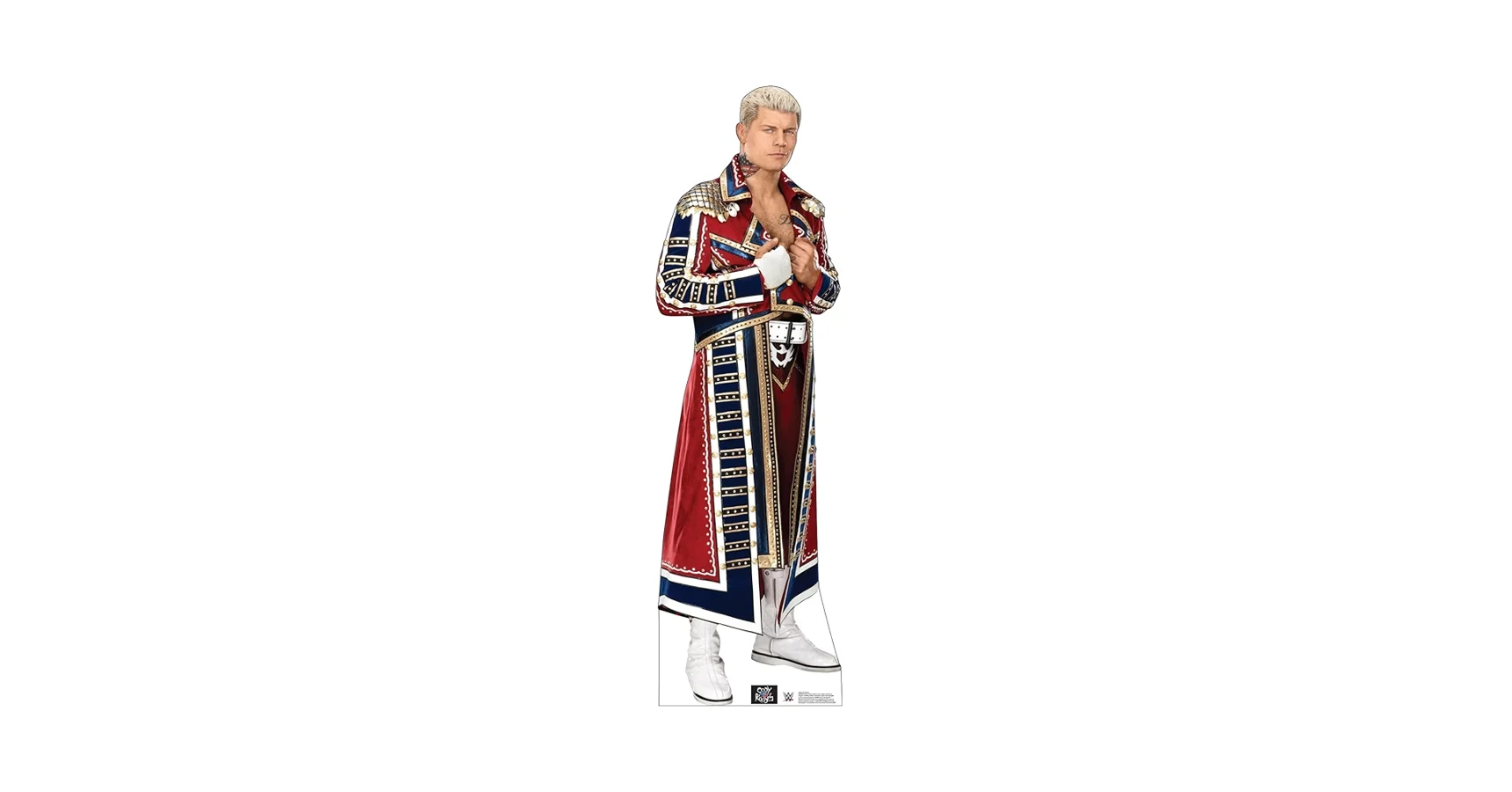
Despite ESPN’s recent launch of its first WWE pay-per-view event under a new five-year deal, Cody Rhodes, prominently involved as WWE’s current top men’s singles champion, has received surprisingly little promotional attention. This Saturday, Rhodes is set to defend the WWE Title against Drew McIntyre in what should be a marquee confrontation, yet marketing efforts have largely sidelined him. As the apparent centerpiece of WWE’s narrative, Rhodes’ importance is repeatedly underestimated or overlooked, even as he anchors the promotion’s present era.
Rhodes ended John Cena’s title reign—a reign that threatened to retire the championship lineage itself when Cena proclaimed himself “the last real World Champion.” In storyline terms, Rhodes ensured the continuation of WWE’s World Championship legacy, making him an essential figure in maintaining the title’s prestige and relevance. His position as arguably the top babyface in WWE, complemented by a consistent schedule and current career momentum, contrasts with rivals like Roman Reigns, whose sporadic appearances limit his ongoing impact.
Disparities in WWE and ESPN’s Promotional Priorities
During ESPN’s media call unveiling their partnership with WWE, the sole advertised match was John Cena versus Brock Lesnar, which overshadowed Rhodes’ WWE Title defense. ESPN executive Matt Kenny, recalling his lifelong fandom by reminiscing about early WrestleMania events, appears enthusiastic but disconnected from the core WWE audience’s preferences. This is reflected in a PWTorch poll where fans ranked Cena vs. Lesnar near the bottom, while Rhodes vs. McIntyre earned a slightly higher but still modest share of votes. Even the top-voted match featuring C.M. Punk & A.J. Lee versus Seth Rollins & Becky Lynch drew majority interest, underscoring that promotions led by nostalgic legends like Cena and Lesnar may not match fan enthusiasm for current stars like Rhodes.
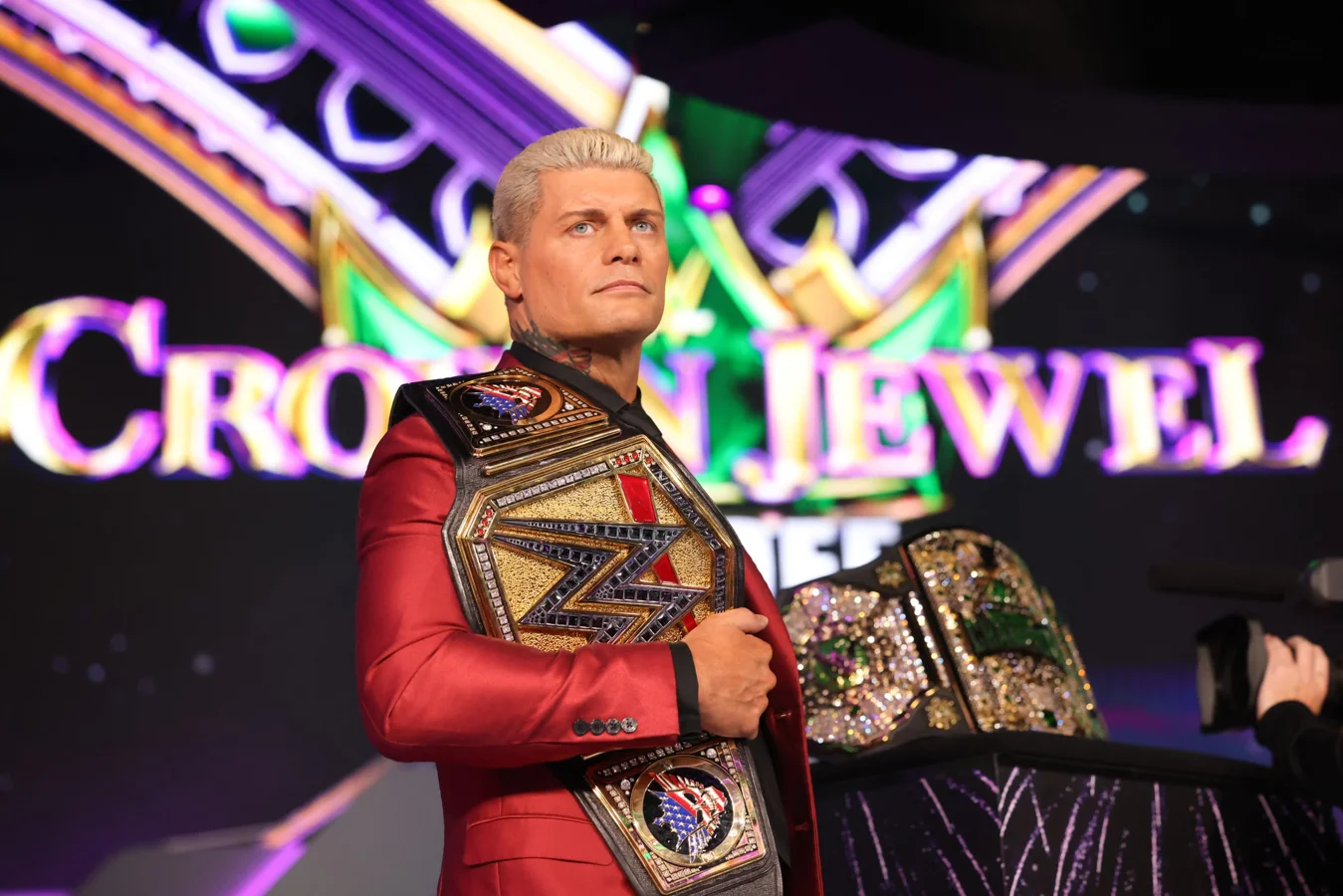
The disparity signals a disconnect between ESPN’s casual fan base and the dedicated wrestling community, suggesting that ESPN and WWE’s marketing strategies do not fully align with audience demand. While Cena and Lesnar match nostalgia, fans actively watching WWE programming recognize Rhodes as the contemporary face of the company and a deserving focal point of promotion.
John Cena’s Aloofness Toward Cody Rhodes
John Cena’s attitude toward Rhodes has been notably indifferent, if not dismissive, throughout this year’s storyline build-up. Cena initially refrained from even mentioning Rhodes by name in promos leading to their match, prompting observers to wonder whether Cena acknowledged Rhodes as a legitimate opponent. When Cena finally addressed Rhodes directly, it lacked respect for Rhodes’ efforts in carrying the WWE brand during Cena’s own gradual exit from active competition.
The tension raises questions about whether Cena’s failure to publicly appreciate Rhodes reflects jealousy or a deliberate effort to undermine Rhodes’ growing stature. Unlike Cena, Rhodes has consistently received universal fan cheers, becoming one of WWE’s top stars by several key metrics of engagement and popularity. Even after their Summerslam encounter—widely considered one of the best matches of Cena’s retirement tour—Cena showed little gratitude for Rhodes’ performance or resilience in reclaiming the title.
More concerning is Cena’s continued use of the “last real champion” label, first introduced as a heel tactic, even though Rhodes is the reigning champion. This narrative diminishes Rhodes’ legitimacy in the eyes of fans and perpetuates a hierarchy that favors the past over the present, thereby complicating the transition to new leadership within the WWE roster.
Marketing Choices Favor Part-Time Veterans Over Current Champions
The promotional focus on platforms like Roku and ESPN heavily features Cena and Lesnar in advertisements and video backdrops for Wrestlepalooza, rather than Rhodes or McIntyre. WWE’s messaging, similar to its Netflix Raw debut, prioritizes nostalgic part-time stars instead of building the profile of current full-time wrestlers. This approach risks alienating viewers who are most invested in contemporary storylines and performers actively shaping WWE’s success.
While highlighting legacy stars has value as special attractions, it shouldn’t come at the cost of sidelining the current generation’s main event talents. WWE appears hesitant to present Rhodes as the true centerpiece of the company’s present and future, despite his championship status and consistent contributions. Equal billing with Cena and Lesnar in marketing materials would better signal Rhodes’ importance to both casual and hardcore audiences.
The Rise and Significance of WWE’s New Generation
WWE’s ongoing popularity surge, including the expansion to two-night stadium shows, coincides with regular television appearances from performers like Roman Reigns, Sami Zayn, Jey Uso, Rhea Ripley, and particularly Cody Rhodes. These stars have formed the foundation of WWE’s programming during this period of heightened success. The promotion should leverage this momentum by actively promoting its current stars rather than relying heavily on past fan favorites whose careers are winding down.
As Cena nears retirement and Lesnar’s presence becomes less frequent, WWE faces the challenge of establishing Rhodes and others like Rhea Ripley as the true pillars of the brand. Present patterns suggest that until marketing aligns with fan preferences, Rhodes and his peers risk being perceived as undercard talents relegated to secondary roles. This disconnect is particularly notable given that WWE’s renewed partnership with ESPN was driven by the company’s recent surge in relevance and fan engagement, much of which is owed to Rhodes and the newer generation.
Cody Rhodes’ Current Position and What Should Change
Cody Rhodes is in the prime of his career, fulfilling every expectation WWE has placed upon him with success and professionalism. Yet the exposure he receives feels insufficient considering his status as the reigning WWE Champion. Promotional materials, home screen features, and digital campaigns should prioritize him as the face of WWE’s present era, showcasing his rivalry with Drew McIntyre as the headline attraction.
Instead, Rhodes is portrayed more as a reliable mid-card worker, filling broadcast time rather than driving WWE’s biggest storylines. This treatment undermines his significance and discounts the importance of establishing a new, dynamic centerpiece for WWE fans to invest in moving forward. For the company and its partners like ESPN, aligning marketing with fan demand will be crucial to sustaining growth and credibility.
The Broader Impact of Recognizing Cody Rhodes as WWE’s True Lead Star
The current situation highlights a broader industry tension between honoring wrestling’s past legends and elevating contemporary talent who engage today’s audience. Accurately positioning Cody Rhodes as the lead babyface and WWE’s centerpiece champion can validate the ongoing storylines and ensure continuity in championship prestige. It would also send a clear message to fans that WWE values its modern-day heroes just as much as its history.
In the near future, once part-time veterans conclude their roles, WWE’s success will depend heavily on stars like Rhodes, McIntyre, and Rollins to anchor the product. Marketers, executives, and talent alike will need to embrace this shift fully to maintain momentum and maintain relevance amid an increasingly competitive entertainment landscape. For Cody Rhodes, this is not just a title reign but an opportunity to define an era—one that deserves recognition deserving of a true WWE centerpiece.

