
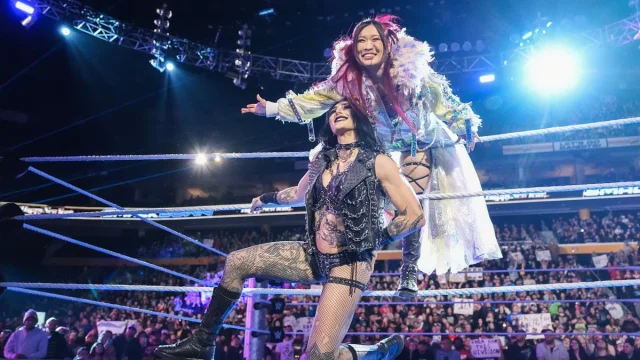
Rhea Ripley and Jade Cargill engaged in a tense social media confrontation this past week, capturing attention within the wrestling community. The back-and-forth, which also involved Chelsea Green and Piper Niven, included pointed criticisms mainly targeting Cargill’s wrestling abilities and conduct. Wrestling expert Dave Meltzer discussed this clash on Friday in the Wrestling Observer Newsletter, highlighting ongoing debates about the nature and authenticity of their exchange.
Understanding Whether the Exchange Was Genuine or Scripted
The situation sparked speculation on whether it was a scripted storyline, a spontaneous real dispute, or a blend of both. Ripley made sharp remarks aimed specifically at Cargill’s in-ring performance and accused her of dishonesty in breaking the “fourth wall,” stating,
“Not having fun. Not friends. Learn to work and never lie to defame someone’s real human character by ‘breaking the 4th wall’.”
Despite this, Meltzer clarified that this was not a “shoot”—a real, unscripted argument—as WWE strictly prohibits such behavior by its talent on social media platforms.
Background Issues Underlying the Criticism of Jade Cargill
Meltzer revealed that much of the criticism directed at Cargill echoes concerns expressed privately by other female wrestlers over the past year. These concerns gained wider attention after a reported backstage confrontation between Cargill and Shayna Baszler in March 2025. During that incident, Cargill allegedly pointed out a bruise on Baszler’s arm, telling her she needed to learn how to work matches, to which Baszler responded,
“If I was shooting, you and I would both know.”
Meltzer further explained the root of discontent among peers: resentment grew as Cargill received prominent push within WWE despite mixed opinions about her in-ring skills and promo work.
“It’s natural with the resentment of her being pushed while not being good in the ring or anything special on promos, but completely due to her unique look. There was a feeling that look or not, she didn’t get over to the level others have, didn’t improve in the ring and in the case starting in the wake of the Baszler situation, would blame her partners when matches had issues. Most of the women believe they are better and didn’t get the same chances, which leads to resentment,”
Meltzer stated.
Significance and Possible Consequences for WWE and Its Talent
This high-profile clash sheds light on backstage tensions and rivalries that occasionally spill into public view, affecting the wrestling industry’s culture. The social media dispute between Ripley and Cargill underscores ongoing debates around talent treatment, performance standards, and authenticity in professional wrestling. As these disputes continue to surface, WWE is likely to maintain strict social media guidelines to curb real conflicts being aired publicly, while fans and insiders watch closely for how these dynamics evolve.

