
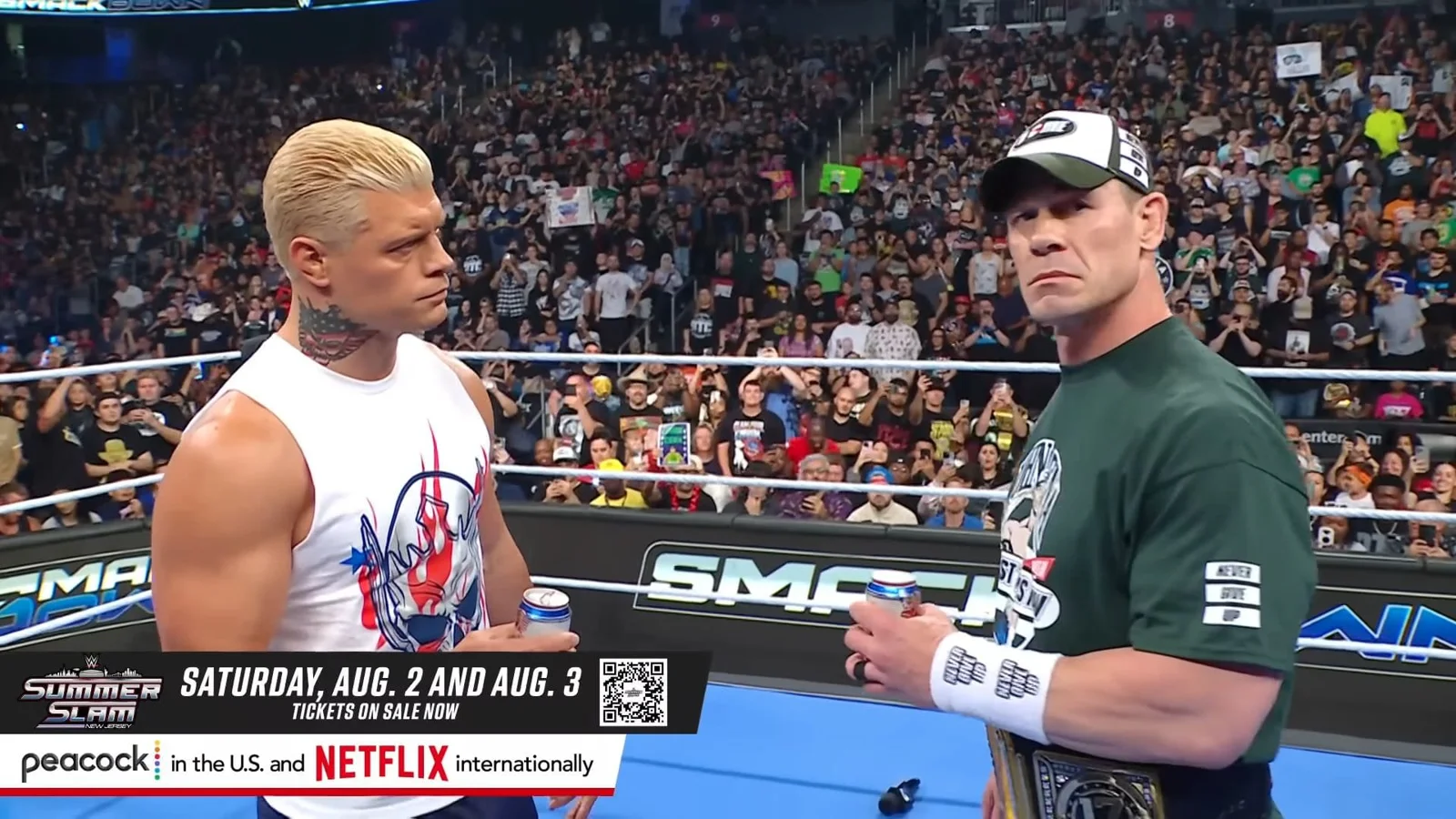
John Cena’s 2025 heel turn was an unprecedented moment that captivated wrestling fans and mainstream media alike, shaking up <a href="https://cynicaltimes.org/category/wrestling-news/wwe/”>WWE’s narrative landscape. This surprising shift, which transformed Cena from a beloved hero into a ruthless antagonist, took place earlier this year and seemed set to redefine Cena’s legacy and WWE storytelling. Yet, despite the initial hype and buzz surrounding the John Cena 2025 heel turn, what followed was a disappointing and ultimately forgettable run, marred by poor execution and a lack of genuine commitment from WWE and Cena himself.
The Initial Shock and Media Frenzy
The moment Cena turned heel this year, fans and the media alike reacted with disbelief, likening it to the seismic impact of Hollywood Hogan’s infamous turn decades earlier. For nearly two decades, Cena had been the embodiment of hope, inspiring children worldwide with his “Never Give Up” mantra. Suddenly, he morphed into a bitter, disparaging figure, verbally attacking fan favorites and WWE legends, while bitterly blaming the WWE Universe for undervaluing his sacrifices. This unexpected edge in Cena’s character drew coverage from prominent outlets such as ESPN, Bleacher Report, Rolling Stone, and even CNN, sparking vibrant discussions across social media platforms among wrestling fans. Some applauded WWE for finally daring to shatter Cena’s untouchable image, while others expressed skepticism regarding the direction this heel turn might take.
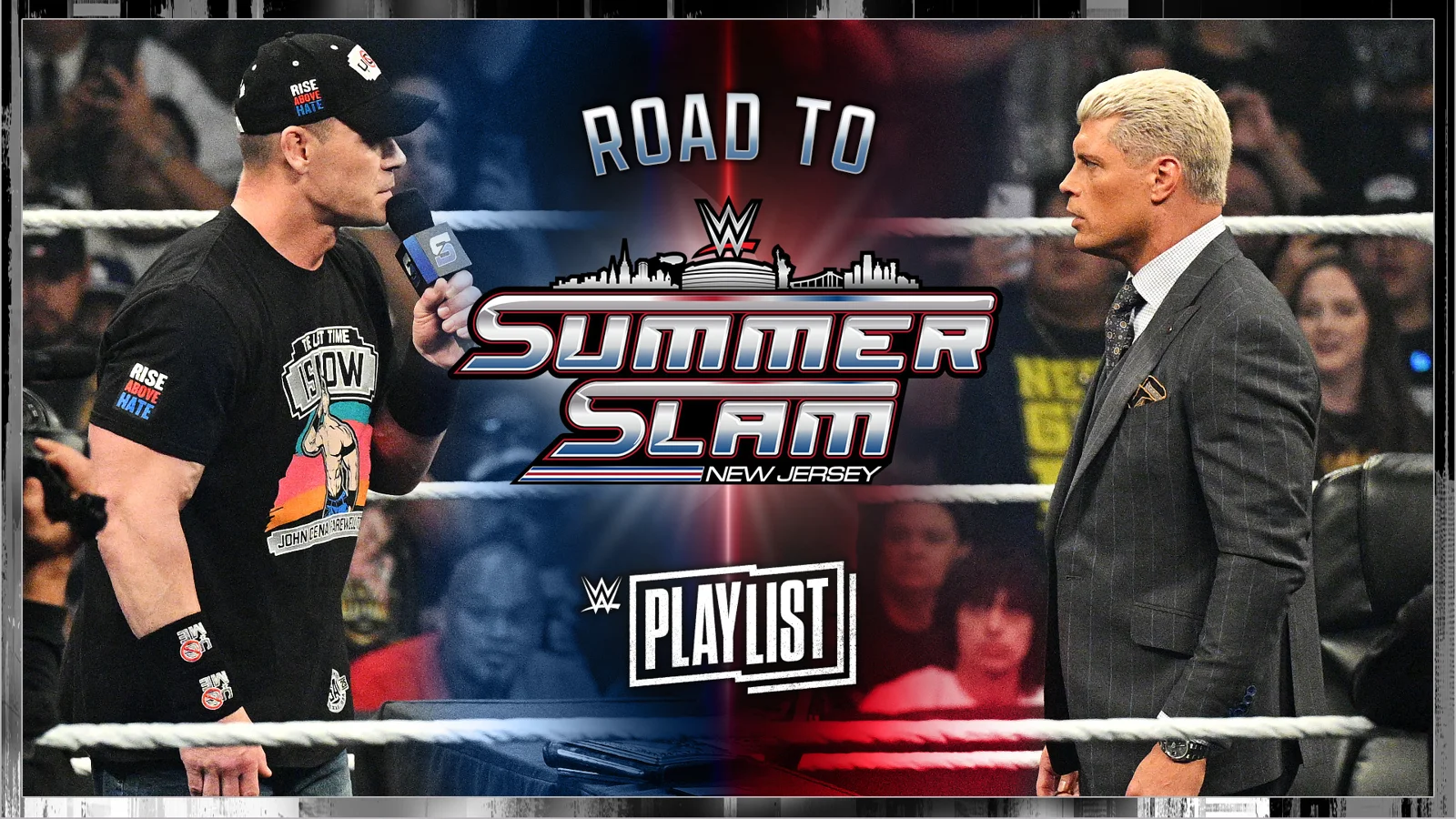
For a brief window, Cena’s villainous promos were sharp, biting, and deeply personal, featuring a confident mockery of his past self and burning bridges with former allies. It felt like WWE was on the cusp of launching a gritty, fresh chapter for Cena that could usher in a darker era. However, that promise faltered as the storyline stagnated and failed to evolve.
The Missing Element: The Rock’s Unexpected Absence
The key to the initial appeal of Cena’s heel turn was the involvement of The Rock, whose partnership and roster presence gave Cena’s descent a meaningful narrative arc rooted in legacy and rivalry. The Rock’s role was meant to serve as a defining opponent and focus for Cena’s villainous quest, evoking memories of iconic battles such as Hulk Hogan versus The Rock at WrestleMania X8.
However, shortly after the early stages of this storyline, The Rock mysteriously vanished. Reports vary, with some attributing his disappearance to film commitments and others hinting at creative disagreements. Regardless of the cause, his abrupt absence left the entire angle hollow. Without The Rock, Cena was stripped of the formidable adversary essential to give his heel persona purpose and direction.
This was no high-stakes feud like Hogan versus Sting or Austin versus McMahon; instead, it became a one-sided saga with Cena facing no significant opposition, resulting in a storyline that felt empty and directionless.
Failing to Boost Emerging Talent
A well-executed heel turn often elevates other wrestlers by positioning the villain as a benchmark and rival for promising babyfaces. Historical examples include Bret Hart’s anti-American run that propelled Stone Cold Steve Austin and Seth Rollins’ betrayal of The Shield, which created opportunities for Roman Reigns and Dean Ambrose. In Cena’s case, despite his star power and influence, the heel turn served no such function.
Instead of nurturing rising stars such as LA Knight, Carmelo Hayes, or Bron Breakker, Cena’s heel character remained self-focused. His promos revolved entirely around himself, and his matches, which were sparse, underscored his own supremacy rather than facilitating the advancement of others. The chance to pass the torch was clear, but Cena never took it, leaving younger talent without a significant boost from the veteran’s presence during this time.
The R-Truth Incident: A Symbol of the Run’s Aimlessness
One of the most glaring missteps in this volatile heel run involved R-Truth. Scheduled for a match intended to rejuvenate his career on Saturday Night’s Main Event, R-Truth delivered a strong performance that ignited crowd enthusiasm and suggested a turning point for his character. However, the very next day, WWE abruptly released him without any official announcement, farewell, or explanation.
Adding ironic cruelty to the decision, R-Truth wore a spoof shirt mocking Cena’s current look, unintentionally foreshadowing his own abrupt exit. Although fan backlash prompted WWE to rehire him within weeks, R-Truth was relegated once again to a comic relief role, diminished from someone who nearly ended Cena’s run to a background figure chasing the 24/7 title and providing backstage antics.
This episode symbolized the overall lack of direction in Cena’s heel turn and reflected poorly on WWE’s creative planning.
Why Cena Didn’t Need to Turn Heel
Looking back, Cena’s heel turn seemed unnecessary. After years of fluctuating fan reactions, he was experiencing a resurgence of appreciation, gaining some of the most positive responses of his career. In an era when legends like Edge and Randy Orton are embraced in their final years, Cena was once again warmly welcomed by fans. Rather than shifting into villainy, Cena’s storyline could have embraced being a reflective, inspiring figure, passing wisdom and elevating the next generation authentically.
A full babyface farewell tour could have delivered a compelling story of legacy, mentorship, and redemption, presenting Cena as the ultimate challenge for emerging wrestlers—as legends like Ric Flair and Kurt Angle once did in their retirements. Instead, WWE opted for a shock-value heel turn, lacking a story framework to sustain it, resulting in an emotionally cold and disjointed narrative that enriched neither Cena nor his opponents.
The Heel Turn’s Swift Reversal and Abrupt End
Just as fans began to accept that WWE was committed to a long-term villainous Cena, the heel turn crumbled abruptly. During a seemingly random episode of Friday Night SmackDown, Cena unexpectedly took the microphone to apologize for his “bad behavior,” abruptly undoing all the darkness with no foreshadowing.
“I’m done with the darkness. I’m back where I belong.”
—John Cena
This sudden U-turn came with mocking barbs aimed at The Rock and Travis Scott, who had been conspicuously absent from the storyline. In one promo, Cena not only apologized to fans but also ridiculed his own former allies, delivering a self-contained, fourth-wall-breaking speech that ended the heel run as quickly as it had begun.
The following week, Cena reverted to his traditional “hustle, loyalty, respect” persona and gear, signaling a return to the status quo without any storyline consequences or reconciliation.
In essence, what promised to be a gripping saga petered out with the unsatisfactory finality of a dream sequence being dismissed.
Unanswered Questions: Was the Turn Ever Meant to Work?
Fans and critics alike are left wondering what the true purpose of Cena’s heel turn was. Despite turning one of wrestling’s most iconic babyfaces into a villain for several months, the storyline brought no lasting payoff, failed to elevate talent, and did not culminate in a meaningful WrestleMania match or legacy-defining clash.
The Rock never returned to fulfill the anticipated rivalry, Travis Scott’s role was limited to awkward cameos, and R-Truth’s brief spotlight ended in disappointment. The turn ultimately felt like a short-lived stunt prioritizing shock moments over substantive storytelling.
The Rock’s Absence: The Angle’s Final Collapse
The entire heel turn story rested heavily on the on-screen and real-world partnership between John Cena and The Rock. When The Rock vanished from the storyline build-up to WrestleMania, failing to participate in promos or matches, it left Cena in a narrative void.
With no direct opponent or payoff to their planned conflict, Cena’s heel character lost its foundation. Whatever the behind-the-scenes causes—ranging from scheduling conflicts to creative friction—The Rock’s absence effectively killed the momentum, leaving the angle to gradually fizzle out.
A Missed Chance to Build the Future of WWE
Perhaps the most disappointing aspect of Cena’s heel turn was the failure to use the opportunity to boost new talent. Instead of positioning himself as a formidable obstacle for rising stars like Bronson Reed, Montez Ford, or Dominik Mysterio, Cena remained isolated from meaningful rivalries and mentorship roles.
This self-contained run did not provide the much-needed rub for the younger generation, missing a crucial chance to build WWE’s future while leveraging one of its biggest stars.
Travis Scott’s Role: A Distracting Misstep
Amid the chaos, WWE attempted to capitalize on pop culture by involving rapper Travis Scott, aiming for crossover appeal and media buzz. Unfortunately, Scott’s involvement was inconsequential and left fans confused about his intended role—whether as a manager, narrator, or heel influencer—due to limited appearances and a lack of clear storyline integration.
His swift disappearance alongside The Rock and Cena’s later scathing on-air remarks about Scott punctuated the sense that this element was a poorly conceived distraction rather than a meaningful part of the narrative.
Lessons for WWE’s Creative Direction
The failure of Cena’s heel turn reflects broader challenges facing WWE during the TKO era under Triple H’s leadership. Wrestling thrives on compelling stories, emotional investment, and audience trust. However, reliance on startling moments without coherent storytelling erodes that trust, leaving fans disengaged.
There is a growing consensus that WWE would benefit from a unified creative team working simultaneously on pay-per-views and episodic content to deliver cohesive, must-watch programming. Cena’s potential for a powerful heel turn existed, but it was squandered due to disconnected plotting and missed opportunities, resulting in a turn with no payoff, a feud without an opponent, and a regression to the status quo without consequences.
The Legacy of an Unfulfilled Heel Run
Ultimately, John Cena’s 2025 heel turn will be remembered as one of modern wrestling’s most perplexing and wasted opportunities. The storyline began with a superstar willing to reinvent himself, supported by built-in rivalries and a talented roster ready to rise. However, the narrative fizzled due to limited commitment and a lack of meaningful storytelling.
The heel turn shocked the world but quickly morphed into a forgettable chapter marked by disjointed promos, the poorly handled firing and rehiring of R-Truth, the absence of any significant adversary, and an abrupt return to Cena’s classic persona.
Rather than burning down his babyface image, Cena hesitated at the edge of villainy and retreated. The only true casualty of this storyline was the creative team, who raised fan expectations and then delivered a hollow outcome, leaving many disillusioned.

