

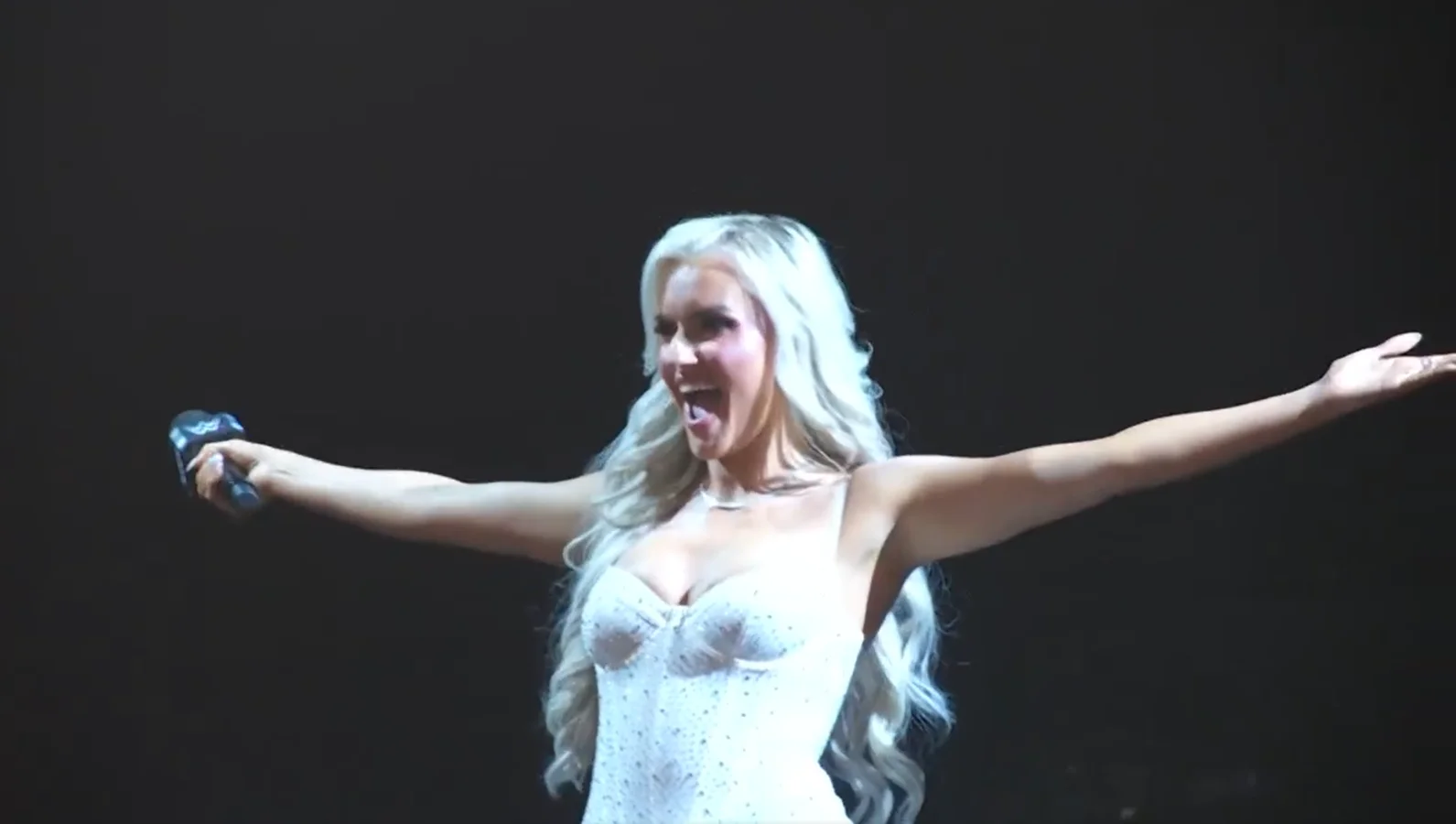
Mariah May’s impact on WWE and AEW competition is making waves across the wrestling world following her notable debut on NXT this week, challenging the previously established dynamics between wrestling’s two biggest promotions. With All Elite Wrestling (AEW) and World Wrestling Entertainment (WWE) fiercely contending for top talent and market share, May’s move highlights shifting allegiances and a changing landscape within the industry.
How Industry Rivalry Fuels Evolution in Wrestling
The introduction of AEW several years ago reinvigorated professional wrestling, bringing fresh competition to WWE’s long-held dominance. Much like brands outside the ring, such as Coca Cola and Pepsi, healthy rivalry prompts each entity to elevate its offerings, ensuring fans benefit from improved programming, star-driven narratives, and broader choices. Companies at every tier—from small leagues to major organizations like WWE’s parent TKO corporation—are driven to maximize revenue through ticket sales and merchandise, while larger promotions leverage broader avenues including substantial television rights deals. WWE’s television presence, emblematic in the decades-long run of Monday Night Raw, underscores the importance of consistent, reliable ratings. These steady audiences are crucial for attracting advertisers and sponsors, providing confidence in their investment and the brand’s enduring appeal.
WWE’s widespread accessibility, ranging from affordable streaming on Peacock to high-demand (and high-priced) live event tickets, mirrors familiar business models seen in the public sphere. For many casual fans, WWE serves as the default representation of professional wrestling in America, offering broad access to content with minimal barriers.
The Rise of AEW as a Serious Alternative
As the established wrestling status quo set the stage for change, AEW was launched in 2019, quickly positioning itself as a legitimate challenger in the American wrestling scene. The company, under Tony Khan’s ownership, rapidly caught the industry’s attention—not only for its programming but for its willingness to offer contracts on par with WWE, something not seen since the WCW days. Major stars began to view AEW as a viable place to further their careers, and WWE responded by securing talent with lucrative contracts, sometimes for the sole purpose of keeping them from debuting in AEW.
For example, The Good Brothers—who shared history with The Young Bucks through their time in New Japan’s Bullet Club—were reportedly offered high-paying contracts by WWE, underscoring the lengths to which both companies would go in this heated competition. These moves signaled a new era, where talent and organizations each embraced more negotiating power, reshaping the wrestling business model.
AEW’s Growing Pains and Narrative Shifts
Despite AEW’s promising start and willingness to push boundaries, the organization soon faced internal challenges. Reports surfaced about underutilized or mismanaged careers, such as CM Punk’s exit that ultimately benefited WWE, as well as the return of stars like Miro and Malakai Black to WWE after limited stints with AEW. Adam Cole, once heralded as a potential top star, faced a stagnation that was echoed in the experiences of others like Penta, who has since found greater success on WWE’s Raw. The much-anticipated entrance of AEW began to lose its sheen as booking decisions, backstage conflicts, and leadership missteps took their toll on the promotion’s reputation among fans and talent alike.
This evolving situation underscored an important lesson for prospects: while AEW provided new opportunities and an alternative platform, the grass was not always greener. Meanwhile, WWE capitalized on AEW’s setbacks, highlighting its own track record and consistent delivery to audiences, advertisers, and stakeholders.
Mariah May’s Journey from AEW to WWE
Mariah May’s career trajectory serves as a microcosm of the broader shifts within professional wrestling. At just 26 years old, May built her foundation through less than five years of experience in Japan’s Stardom federation before nearly two years on the AEW roster. Her feud with Toni Storm became a standout storyline in AEW, marked by a memorable heel turn, a high-profile title win at Wembley Stadium, and a climactic rivalry conclusion on pay-per-view. The final bout at Revolution, while criticized for excessive violence, showcased the kind of coherent storytelling that fans crave.
May’s last appearance for AEW coincided with a pivotal moment in her career—a transition to WWE after being showcased in major AEW storylines. The decision to leave a featured role in AEW for the perceived stability and opportunities within WWE is telling. It reflects lessons drawn from watching other talented performers who, after becoming lost in the shuffle or sidelined, ultimately moved on or faded out of the spotlight. May’s proactive switch demonstrates strategic career management in a business where long-term visibility can be uncertain.
The Broader Consequences of May’s Move for Industry Competition
Mariah May’s NXT debut is more than just a career milestone for a rising athlete; it serves as a barometer for shifting perceptions within the wrestling industry. While WWE’s women’s division remains crowded and competitive, the symbolic significance of a star leaving AEW in her prime to join WWE cannot be overstated. In 2019, emerging talents and established names took a leap of faith with Tony Khan’s project, drawn to promises of creative freedom and a fresh direction. Recently, however, perceptions have shifted, with blunders in AEW inadvertently shining a brighter light on WWE’s ongoing successes.
May’s impact on the broader AEW-WWE dynamic lies not only in her talent but also in the message her move sends to fans, fellow wrestlers, and industry executives. It signals a reality in which AEW, while still an important force, faces new challenges in retaining both prospects and established stars amid evolving expectations and industry trends. WWE’s enduring brand strength and its ability to provide stability and growth opportunities are once again underscored through this high-profile transition.
The competition between AEW and WWE has entered a new phase, marked by recalibrated ambitions, shifting narratives, and a renewed emphasis on nurturing wrestling’s next generation of stars like Mariah May. As both organizations adjust to these ongoing changes, fans will continue to benefit from a landscape defined by vibrant rivalry, talent crossovers, and constant evolution in pursuit of the best possible product.

