
Santos Escobar, leader of Legado Del Fantasma, is expected to exit WWE soon after declining to renew his contract, adding to the growing list of Mexican wrestlers who have struggled to make a lasting impact on WWE’s main roster. His potential departure intensifies the ongoing question of why WWE has yet to successfully develop the next Rey Mysterio, a challenge that has plagued the promotion for years.
Rey Mysterio’s Unmatched Legacy and Its Challenges for Successors
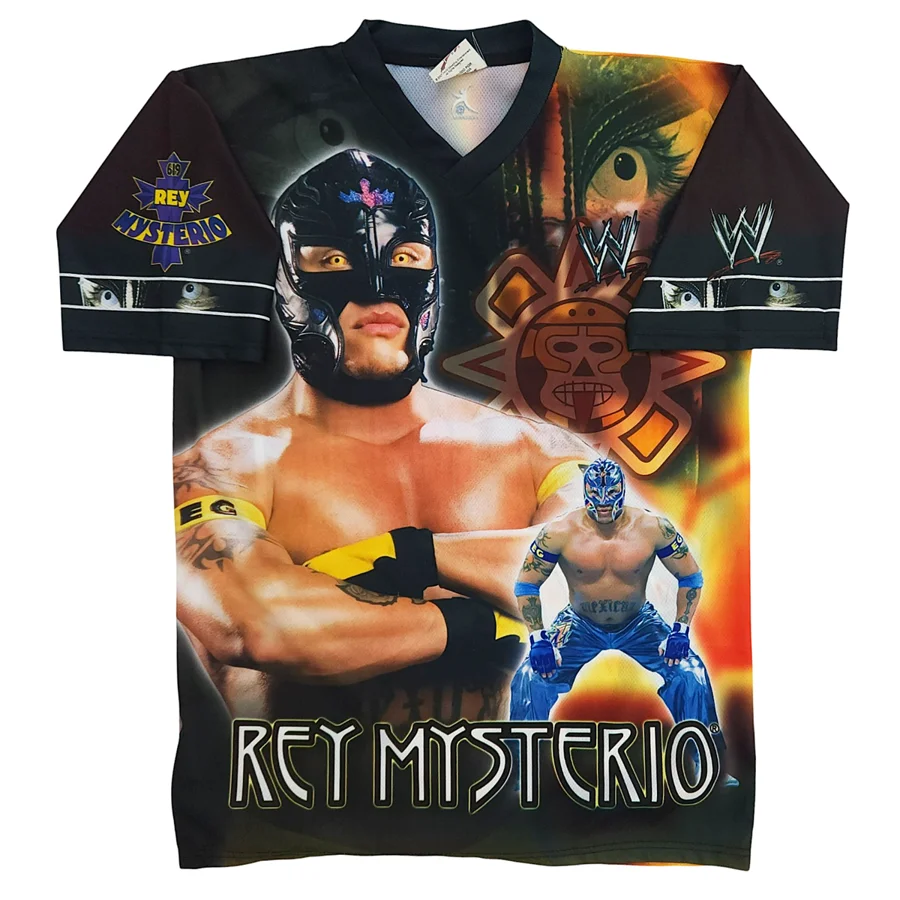
WWE’s decision in the early 2000s to restore Rey Mysterio’s iconic mask after his WCW tenure was widely praised as a brilliant creative choice. The mask became central to his identity and helped fuel two decades of merchandising and fan engagement. Rey Mysterio’s ability to connect with younger audiences through this image remains unmatched, setting a high standard for future talent.
Attempts to reproduce Mysterio’s success with other luchadores like Sin Cara and Santos Escobar have fallen short, as none have managed to capture the same level of popularity and longevity. This persistent gap highlights the difficulty WWE faces in finding a comparable star from its pool of Mexican talent.
US Wrestling Promotions’ Struggles with Elevating Lucha Libre Stars
Numerous American wrestling promotions including WCW, ECW, TNA, AEW, and WWE have tried to break Lucha Libre wrestlers into the mainstream market. Despite consistent efforts, only WWE, through Rey Mysterio, has been able to reach mass appeal in the United States. However, the company’s inability to replicate this success with other luchadores exposes systemic challenges in promoting this style of wrestling effectively.

The Role of the Mask in Wrestler Presentation and Audience Connection
Some critics suggest that the traditional lucha mask—a full-face covering—hinders wrestlers’ ability to convey emotion and deliver promos effectively in WWE’s format. While Rey Mysterio’s mask allows enough facial visibility to express emotion, others like Sin Cara wore masks that obscured their faces too much, limiting their ability to connect with the audience through visible expressions.
In Mexico, masks carry deep symbolism and complement storytelling, but WWE’s audience expects performers to communicate emotion both in the ring and through speaking segments. This difference may partially explain why many lucha stars have struggled to resonate broadly. Yet, Escobar’s limited use of his mask on NXT and the main roster suggests the mask alone is not the determining factor.
Booking Decisions Undermine Talent and Momentum
Santos Escobar’s primary issue appears rooted in inconsistent creative direction rather than lack of ability. In NXT, he thrived as the commanding leader of Legado Del Fantasma, a group with a clear identity and storyline. However, once on SmackDown, the faction’s momentum was stifled as they were incorporated into Rey Mysterio’s revamped Latino World Order, relegating Escobar from a leading role to a secondary player.
This pattern has repeatedly affected other Latino wrestlers, including Andrade, Kalisto, Gran Metalik, Sin Cara, and Alberto Del Rio, who all faced irregular booking that stalled their push despite evident talent. WWE’s failure to sustain these wrestlers’ progress continues to limit opportunities for them to reach stardom.
Why WWE’s Search for the “Next Rey Mysterio” May Be Flawed
Rey Mysterio’s career is difficult to emulate because he combined unique athleticism, cultural storytelling, and mainstream charisma that made him a singular figure in wrestling. WWE’s fixation on finding a direct successor has often placed new Mexican and Lucha-inspired wrestlers in Rey’s shadow, setting unrealistic expectations and hindering their ability to develop distinct identities.
Instead of seeking a replacement, WWE might benefit more from fostering individuality among these performers, allowing them to create their own legacies. Wrestlers like Penta, Rey Fenix, and Dragon Lee possess the potential to become major stars, but WWE’s historic approach has yet to support these talents adequately.

