Wrestlemania 42 has experienced a notable slowdown in ticket sales compared to the previous year’s Wrestlemania 41, despite being held at the same venue, Allegiant Stadium in Las Vegas. This drop in demand correlates strongly with significant hikes in ticket prices implemented by TKO Corporation, the parent company formed after Endeavor’s 2023 acquisition and merger of WWE and UFC. The rising cost of attending these events coincides with increasing criticism of price gouging on live event tickets and pay-per-view live events (PLEs), reflecting fan frustration amid broader expense pressures in Las Vegas and beyond.
With Wrestlemania 41 selling over 50,000 tickets around this time last year, Wrestlemania 42’s current sales stand at about 45,000—still substantial for professional wrestling but considerably lower for an event of Wrestlemania’s stature. Both editions were held at Allegiant Stadium, which can accommodate up to 72,000 attendees for major events. Wrestlemania 41 recorded approximately 60,000 attendees for its second night and just under 58,000 for the first night. In comparison, Royal Rumble 2025 in Indianapolis drew crowds exceeding 70,000, underscoring the decline in Wrestlemania’s recent attendance.
Factors Contributing to Attendance and Price Dynamics in Las Vegas
The escalating ticket prices come against a background of other rising costs that affect visitors, such as inflated fees for airport landings, ride shares, taxes, food, and hotel accommodations, especially during large events in Las Vegas. Overall tourist numbers dropped by about 7.5% in 2025, indicating a sensitivity to these combined expenses. This financial strain prompted Las Vegas officials to reportedly offer WWE a $6 million incentive to return for consecutive Wrestlemania events, showing the city’s eagerness to sustain such major attractions despite the challenges.
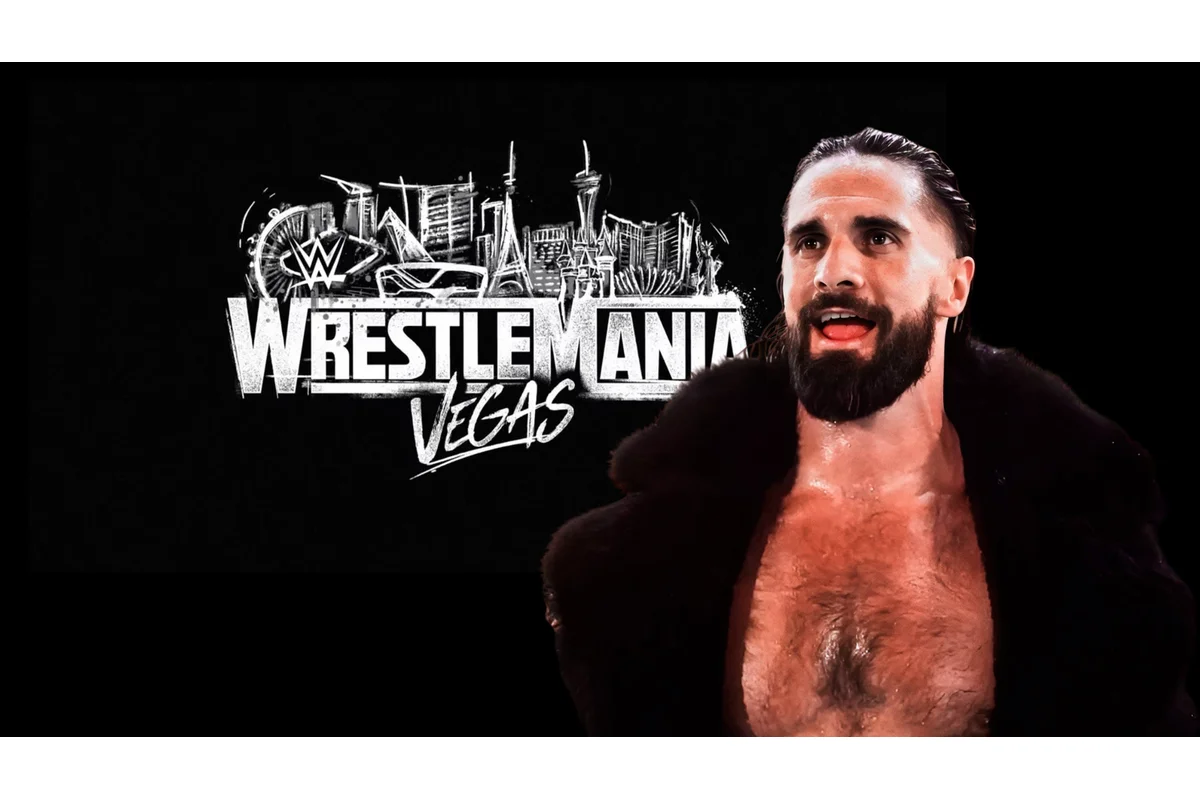
Comparing average ticket prices further illustrates the issue. Sports Illustrated reported that Wrestlemania 40 in Philadelphia had an average ticket cost of $341, while Wrestlemania 41 in Las Vegas saw that average soar to $635. Current prices for Wrestlemania 42, while yet to be fully calculated once sales close, show elevated costs at every seating tier compared to the prior year at the same stadium, signaling a consistent upward pricing trend.
Basic Supply and Demand Economics Explain Fan Response
The decline in ticket sales amid rising prices aligns with fundamental economic principles. According to the law of demand, when prices increase, the quantity of tickets fans are willing to buy tends to decrease. Conversely, more affordable events generally attract higher attendance. Yet this basic rule interacts with other variables shaping consumer behavior, including tastes, incomes, and expectations.
Firstly, tastes and preferences have remained strong for WWE’s product, especially after improvements in creative direction under Triple H since mid-2022. This leadership has revitalized interest with compelling storylines and emerging stars, increasing fans’ willingness to spend despite rising costs. Secondly, income levels have generally grown since the pandemic but remain unevenly distributed. The phenomenon of a “K-shaped economy” leaves many struggling households with stagnant or declining real disposable income, high debt, and rising living expenses, reducing discretionary spending capacity for costly events like Wrestlemania.
Consumer sentiment has weakened markedly, as evidenced by cutbacks in holiday spending in late 2025, reflecting broader economic worries about job and income security. Additionally, the prices of related goods—including travel, lodging, and food necessary to attend Wrestlemania in Las Vegas—have continued to push total event costs higher, creating a complementary price barrier for fans even beyond ticket costs.
WWE’s Market Position and Creative Direction Amid Pricing Controversy
Although WWE remains the dominant wrestling organization globally, far outpacing competitors such as AEW in revenue, viewership, and merchandise sales, the issue of affordability casts a shadow on its recent growth. While AEW tickets are generally cheaper, they have not succeeded in drawing large crowds regardless, highlighting WWE’s entrenched position. The merchandising and PLE revenue streams have also expanded under TKO’s stewardship, with multi-million-dollar deals, including $250 million for Wrestlemania 43 and Royal Rumble 2026 rights sold to Saudi Arabia.
WWE’s creative product, guided by Triple H, receives praise from many quarters, with high-profile matchups like Roman Reigns versus CM Punk generating significant buzz. Women’s division stars such as Liv Morgan are emerging as major attractions, and promising matches involving Brock Lesnar and Gunther or Drew McIntyre and Cody Rhodes maintain fan interest. Despite this, the creative team faces challenges in developing a younger generation of main-event-level male talent, leaving questions about the long-term sustainability of star power beyond the current roster.
Historical Context on WWE Pricing and Leadership Influence
The steep ticket price escalation under TKO continues a trend of rising costs for WWE content that predates the current corporate structure. Under Vince McMahon’s leadership—marked by micro-management and creative struggles from about 2006 to 2021—WWE increased pay-per-view prices significantly, contributing to declining demand and the eventual launch of the WWE Network to counteract piracy and falling PPV sales. Despite creative criticisms, historical data shows that price hikes have consistently accompanied periods of company growth, such as during the Hulkamania and Attitude Era booms.
Vince McMahon remained involved through the sale to Endeavor and his tenure as chairman of the TKO Board. He facilitated major television and streaming deals worth hundreds of millions annually but was criticized for failing to improve wrestler pay and maintaining exploitative practices including non-disclosure agreements tied to workplace misconduct. His approach to WWE’s business and creative challenges leaves many skeptical of calls for his return as a solution to the current issues.
Corporate Strategy and the Impact on Fans and Wrestlers
TKO Corporation’s strategy emphasizes profitability through maximizing revenues from live events, streaming platforms, sponsorships, and international media rights—often at the expense of affordability and wrestler compensation. The company’s acceptance of a $6 million payment from Las Vegas to host consecutive Wrestlemanias while increasing ticket and ancillary costs highlights a prioritization of short-term gains over fan loyalty.
This has generated backlash from fans who feel overwhelmed and frustrated by the rising expenses necessary to attend or legitimately consume WWE content. While WWE routinely sells tens of thousands of tickets with high prices, many express concerns about reaching a saturation point beyond which fans may no longer support such costly events. The wrestlers themselves have reported plateaued pay amid widespread roster cuts, even as the corporation profits from record-breaking deals.
Suggestions for Fan Responses to Corporate Pricing Practices
Industry insiders suggest that fans can influence WWE’s corporate decisions by altering viewing habits. Reducing consumption of WWE content on streaming platforms like Netflix and USA Network, and choosing to watch official clips or social media highlights instead, may impact renewal of TV deals that form WWE’s financial backbone. Selective attendance of premium live events, avoiding non-essential pay-per-view purchases, and vocalizing dissatisfaction on social media with appropriate hashtags may contribute to corporate awareness of fan discontent.
However, fully abstaining from live WWE events may not be practical for many, as WWE increasingly distributes shows overseas, diversifying revenue streams. Still, this strategic consumer behavior could pressure TKO toward more balanced pricing and engagement approaches, especially if combined with ongoing fan advocacy.
Future Outlook for WWE’s Creative Direction and Corporate Ownership
Triple H’s tenure as head of creative since mid-2022 has improved product quality, yet ongoing challenges remain in cultivating new stars and maintaining attendance momentum amid rising costs. Should injury or retirements reduce star power in the coming years, pressure from TKO’s board may mount for leadership changes. Speculation exists about Hollywood personalities possibly taking creative roles, which could further compromise WWE’s competitive edge.
WWE’s long-term viability may depend on maintaining attractive TV rights deals while managing fan relations carefully. Declining attendance and viewer engagement risk prompting streaming partners like Netflix to reconsider contracts early, potentially affecting revenues significantly. Eventually, TKO might choose to divest WWE properties, passing them to new owners with uncertain visions for the brand.
The Broader Corporate Landscape and Its Effect on Entertainment Pricing
The situation with WWE and TKO exemplifies broader corporate trends where consolidation among industries—in media, telecommunications, pharmaceuticals, and retail—enables price increases that are passed onto consumers with limited market checks. Examples include grocery chain consolidations, limited competition in cellular providers, and escalating streaming service fees following large mergers and acquisitions.
Such systemic corporate behavior contributes to higher costs for consumers in multiple sectors, compounding the impact of WWE’s aggressive pricing strategy. While fans remain dedicated to the WWE brand, sustained displeasure at elevated costs alongside economic pressures could reduce attendance and viewership over time, challenging the company’s growth trajectory.
Summary of WWE’s Current Position and Fan Sentiment
Wrestlemania 42’s slowed ticket sales reflect the real consequences of TKO’s increased prices and the costly environment in Las Vegas, despite incentives paid by the city to attract such marquee events. While the WWE product has improved creatively under Triple H, whose stewardship many appreciate in contrast to prior leadership, the economic burden on fans has escalated sharply. Attendance remains substantial by wrestling standards, but signs indicate a potential ceiling being reached for ticket affordability.
The debate over leadership recalls Vince McMahon’s contentious legacy of creativity and business decisions, reinforcing that the issue is the corporate model prioritizing shareholders and revenue over loyal fans and performers. Ongoing corporate consolidation and pricing pressures across entertainment and other sectors further complicate the landscape, making this a telling case study in wrestling’s intersection with modern corporate economics.

