
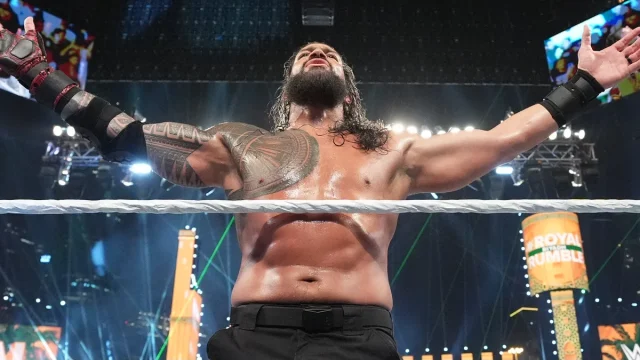
The 2026 WWE Royal Rumble unfolded yesterday afternoon under the banner of TKO Corporation, marking a significant shift as the event took place in Saudi Arabia. This location was chosen following a reported $100 million deal between TKO and the Saudi government, part of a broader strategy involving massive payments—including a $250 million agreement to host WrestleMania 43 in 2027. These figures, cited by sources such as Yahoo! Sports, highlight the scale of financial influence driving the current WWE event locations.
This decision has sparked widespread debate due to Saudi Arabia’s extensive economic influence through oil revenue, which some view as tainting the event and alienating the traditional North American fan base that originally built WWE’s flagship shows. The substantial sum paid by Saudi Arabia underlines their commitment to hosting WWE’s marquee events despite cultural and political complexities surrounding the country.
Fan Base Frustration Grows Over Hosting Location and Corporate Decisions
WWE’s core audience, primarily in North America and select European markets like England, has voiced dissatisfaction with the relocation of major WWE events outside of these territories. Many fans argue that Royal Rumble, WrestleMania, and SummerSlam were created by and for North American viewers, who have historically supported and cultivated the brand’s success. The move to Saudi Arabia is seen by critics as motivated purely by the massive financial incentives offered by the kingdom rather than genuine fan engagement or legacy considerations.
While acknowledging no personal hostility toward individuals living in Saudi Arabia, critics emphasize that the country’s political and social environment—including restricted freedoms for women and a rigid governance system—makes it an unsuitable host for WWE’s most prominent shows. The financial motivations behind these choices overshadow concerns about the cultural and fan experience implications.
Creative Outcomes: Wins and Missed Opportunities at Royal Rumble 2026
Creatively, the event delivered results that resonated with fans, particularly the victories of Roman Reigns and Liv Morgan. Both emerged as number one contenders in their respective divisions, aligning with their established status as pivotal figures with strong audience connections. Reigns is widely anticipated to reclaim the dominance he exhibited prior to a noticeable dip from 2024 onward, while Morgan’s recent heel turn and heightened presence have earned her significant attention, including crossover story elements involving male wrestlers like Dominik Mysterio.
However, some expected wrestlers such as Gunther and Drew McIntyre were overlooked in favor of opponents considered midcard talents lacking main event appeal, contributing to a creative imbalance. Additional criticisms included some ill-advised booking choices, like multiple wrestlers wearing masks, which detracted from the overall flow and presentation of the matches.
Travel Difficulties and Restrictive Environment Hamper Performers’ Experience
The logistical challenges posed by Royal Rumble 2026 were considerable, with roughly 60 to 70 performers undertaking arduous international travel involving a 13-hour flight and multiple time zone shifts. This intense journey inevitably led to jet lag and physical exhaustion, undermining the athletes’ performance readiness. Additionally, the cultural and social restrictions in Saudi Arabia—particularly affecting female wrestlers required to wear full-body suits—had an adverse effect on comfort and overall well-being. The attire likely increased physical strain due to overheating and limited mobility during matches.
Female performers faced especially harsh conditions, as the host country is still adjusting to evolving norms regarding women’s freedoms. The strict regime curtailed sightseeing opportunities and recreational freedoms, contributing to a stifling environment contrary to the typical excitement and enthusiasm found at WWE events.
Ticketing and Attendance Highlight Economic and Gender Disparities
The atmosphere at the event was further subdued by the choices made regarding venue and ticketing. Saudi authorities controlled ticket pricing, setting rates significantly lower than typical North American prices yet still struggling to fill the venue. The large, purpose-built stadium featured many empty seats, especially during the Women’s Royal Rumble, where the attendance skewed heavily male with an estimated ratio near 98-to-2 male to female attendees.
This disparity is linked to both societal restrictions on women’s participation in public entertainment and limited economic means among local populations to purchase event tickets. Saudi Arabia’s government monopoly over ticket sales contrasts sharply with North America’s free-market approach, where fans pay premium prices to attend events out of genuine enthusiasm. These factors collectively diminished the event’s energy and crowd engagement.
Cultural Dynamics Influence Crowd Reaction and Event Energy
The constrained environment extended onto the audience, where cultural and religious factors influenced crowd dynamics. Saudi Arabia’s governance under Sharia Law preserves longstanding traditional views about women’s roles, contributing to discomfort with female athletes competing openly. Many attendees appeared less enthusiastic during female matches, a reflection of deep-seated societal norms that contrast with the progressive fan experiences WWE events typically offer in Western countries.
Observers noted that while the venue gradually filled during the men’s match, the women’s opener suffered from sparse attendance. The presence of tight bodysuits worn by female wrestlers clashed with local cultural expectations, likely suppressing audience enthusiasm and confirmation of a divided reception.
Impact of Corporate Greed on WWE’s Brand and Audience Loyalty
The decision to prioritize lucrative deals with Saudi Arabia over fan engagement reflects broader corporate greed within TKO Corporation, the entity now overseeing WWE after its acquisition by Endeavor and Silver Lake. Critics argue that TKO’s leadership is focused predominantly on maximizing shareholder profits, evidenced by not only these large international payments but also by increased ticket prices in other markets and expensive streaming fees on platforms like ESPN’s app.
This approach has drawn disdain from wrestling enthusiasts who view it as undermining the authentic connection WWE once fostered with its audience. The 2026 Royal Rumble’s lackluster atmosphere and wrestlers’ fatigue reveal the costs of chasing financial gains at the expense of event quality and performer welfare.
Performers Express Strain and Audience Disappointment Surfaces
The grueling travel, combined with the stringent societal controls and micro-managed corporate presentation, contributed to a subdued performance experience for wrestlers and a diminished spectacle for viewers. Fans noted that the energy level was far below the excitement typically seen when WWE events occur in their traditional markets. While some matches and moments—such as the singles bouts featuring Gunther vs. AJ Styles and Drew McIntyre vs. Sami Zayn—stood out positively, the overall event was marked by fatigue and a stale atmosphere.
Speculation on future events suggests that WrestleMania 43, slated to be held over two nights in Saudi Arabia, may face similar challenges. The financial incentives remain powerful, but without increased focus on creative quality and audience engagement, these marquee shows risk continuing to alienate long-term fans.
Predictions and Reflections on WWE’s Future Direction
Anticipation is growing around upcoming storylines, including a probable WrestleMania 43 main event featuring Roman Reigns facing CM Punk, with the potential addition of Seth Rollins. Meanwhile, Cody Rhodes is expected to claim victory in the Elimination Chamber, setting up a high-profile match against Drew McIntyre. For the women’s division, sustained momentum behind Liv Morgan is predicted as key to stabilizing a currently unsettled roster.
The expected appearance of The Rock at WrestleMania 43, reportedly financed in part by the Saudi investment, is viewed as a major spectacle that could reinvigorate viewership for events held under this heavily corporate framework. Nevertheless, the broader WWE brand remains at a crossroads as TKO’s management continues to emphasize revenue over traditional fan experiences and the welfare of performers.
Observations on Performance and Booking Decisions
Several specific moments from Royal Rumble 2026 drew criticism and commentary. The use of two versions of “El Grande Americano” was widely regarded as out of place and a waste of potential. Similarly, “Mr. Iguana” was received negatively, with calls for the elimination of such gimmicks from WWE television. Newcomer Royce Keys, despite a strong debut, displayed limited agility, raising concerns about his ability to thrive given his imposing physique.
Fans also debated the significance of unfulfilled expectations, such as Chris Jericho’s absence from the Rumble, speculating that a more impactful return may occur during forthcoming WWE programming. Additionally, Brie Bella’s surprise entry was met with enthusiasm, sparking discussion about the potential for the Bella Twins to pursue tag team championships in a more measured manner consistent with their veteran status.
The mysterious attack on Bron Breakker continued to unfold amidst a stagnating storyline involving the Vision stable, which many feel is wasting the talents of Paul Heyman as its strategist. Oba Femi’s promising performance was overshadowed by Brock Lesnar’s imposing presence, highlighting the challenges for rising stars to break through against more established main-event talents. The womens’ battle royal also exposed how restrictive attire can neutralize individual charisma and impact.
Shifts in Leadership and Creative Control Under Corporate Ownership
There is growing recognition that major creative control resides with TKO executives rather than WWE’s wrestling-focused personnel. Specifically, Triple H, often critiqued for booking decisions, was not responsible for the Saudi Arabia deals or sponsorship agreements and wields limited influence over the current corporate strategies. The removal of creative input from wrestling insiders could lead to more formulaic and AI-driven storylines, potentially eroding the brand’s unique appeal.
The legacy of Vince McMahon also persists in contentious ways, given his role in initiating Saudi partnerships and overseeing transitions that prioritized financial success but generated ethical and cultural controversies. This includes criticism over pay disputes and workplace conduct that cast a shadow over WWE’s corporate culture.
Challenges Ahead for WWE and the Role of Saudi Events in Brand Expansion
Flying wrestlers internationally for marquee events in restrictive countries presents ongoing challenges for maintaining high-caliber performances. The physical toll and morale issues linked to long-distance travel and cultural limitations frequently impact show quality, as seen in Royal Rumble 2026 and expected for WrestleMania 43’s two-night format.
There is a pervasive sense that TKO’s influence is draining vitality from the WWE, particularly once veteran wrestlers and key backstage figures depart. Increasing corporate sponsorship and commercial control threaten to further dilute the product’s authenticity and fan appeal. Many fear that unless meaningful adjustments are made, both the performers’ conditions and the fan experience will suffer substantially in the coming years.
Final Thoughts on the Royal Rumble and Looking Forward
Overall, Royal Rumble 2026 delivered a mixed bag: some moments of excitement were overshadowed by logistical issues, cultural friction, and the weight of corporate greed. The victories of Roman Reigns and Liv Morgan offer hope for compelling storylines in the months ahead, yet the broader context underscores significant hurdles. With the WWE brand stretched thin across incompatible markets and managed by profit-driven executives, the challenge remains to reconcile these competing interests while preserving the magic that made WWE a beloved global entertainment phenomenon.

